+91 72929 29159


Defensive Driving
Defensive driving is a form of training for vehicle drivers that makes them aware about the driving rules, standard driving practices and the required driving mechanics.
Enquire Now



 Solutions

All your EHS & ESG needs
Empowering responsible decisions through unified EHS and ESG solutions

Read our success stories
Explore how we have transformed safety cultures with our EHS solutions.
.
.
Resources
About Us
Our Mission
Our mission is to empower industries to achieve their safety, health,and environmental objectives, integrating Environmental, Social, and Governance (ESG) principles into our strategic insights, expert guidance, and innovative solutions. We are dedicated to advancing sustainable and responsible practices across all sectors.
Our Vision
Our vision is to become the foremost provider of exceptional safety services, enabling organizations to not only meet but excel in their safety, health, and environmental goals, while fully embracing and
implementing ESG standards for a sustainable future.
Practical safety training for workers, supervisors, and industrial teams to identify fall hazards, use fall protection systems correctly, and perform work at height safely.
Book Your Training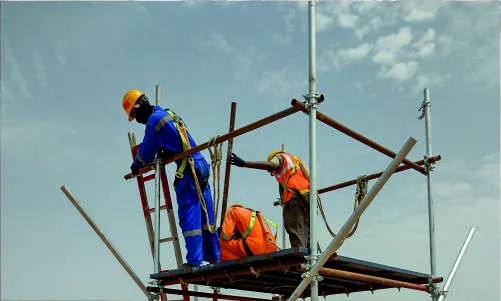




Work at Height Training prepares workers and supervisors to identify fall hazards, use suitable fall-protection equipment, and follow safe work practices in locations where a fall could cause injury. CORE-EHS offers role-based programmes covering height-safety awareness, supervision, rescue, and fall-protection practices for industrial workplaces.
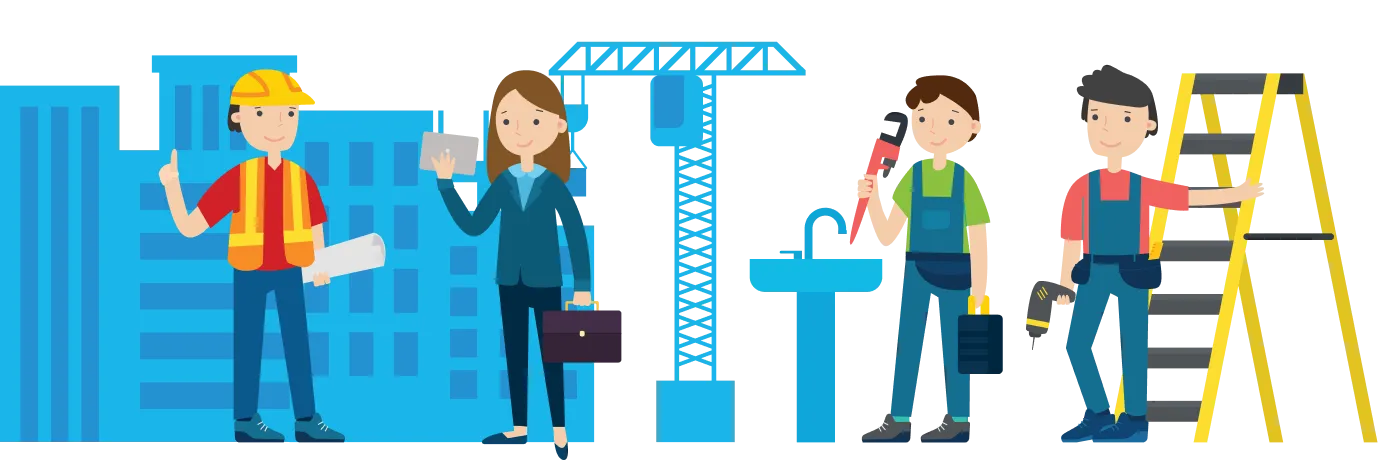
Compare role-based training options for workers, supervisors, rescue personnel, and teams responsible for fall protection and harness safety.
| Training Program | Ideal For | Duration | Mode |
|---|---|---|---|
Work at Height Awareness Training |
Workers, new joiners, contractors, and personnel exposed to work-at-height risks | 1 Day | Classroom / Onsite |
Work at Height Supervisor Training |
Site supervisors, safety officers, engineers, and line managers responsible for height-related work | 2 Days | Classroom / Onsite |
Work at Height Rescue Training |
Emergency response personnel, supervisors, and trained workers involved in height-rescue planning or response | 2 Days | Classroom / Onsite / Practical |
Fall Protection & Harness Inspection Training |
Technicians, maintenance teams, supervisors, and safety personnel who use or inspect fall-protection equipment | 1 Day | Classroom / Onsite |
Training combines instructor-led learning, practical demonstrations, real workplace scenarios, visual learning, and participant assessment. x











Build practical fall-safety awareness for participants while helping organizations strengthen supervision, consistency, and risk control.
Identify work-at-height hazards and understand the controls needed before starting a task.
Use harnesses, lanyards, lifelines, and other fall-protection equipment more safely.
Follow safer access, positioning, and work practices during elevated activities.
Improve awareness of emergency response and rescue procedures for work at height.
Recognize unsafe conditions, equipment defects, and potential fall risks before work begins.
Build greater confidence when performing tasks on ladders, platforms, roofs, and elevated structures.
Improve workforce competency for tasks involving work at height.
Strengthen supervision, hazard checks, and safe-work practices across teams.
Support better use and inspection of fall-protection equipment.
Build stronger risk awareness and more consistent height-safety practices across the workplace.
Help reduce unsafe practices by improving hazard recognition and preventive controls.
Support safer planning and execution of elevated work across maintenance, construction, and industrial operations.

For personnel who perform tasks on ladders, platforms, roofs, structures, or other elevated work areas. Training focuses on recognising fall hazards, using fall-protection equipment correctly, and following safer work practices.

For personnel responsible for planning or supervising work at height. The training strengthens their understanding of fall risks, safe access, work controls, equipment use, and effective supervision of teams performing elevated tasks.

For safety personnel responsible for reviewing work-at-height hazards, monitoring site controls, inspecting safety practices, and supporting compliance with applicable procedures and requirements.

For trained personnel involved in height-rescue planning and emergency response, covering rescue procedures, equipment awareness, safe recovery methods, and coordinated response during work-at-height emergencies.
Working at height training supports teams across industries where elevated access, maintenance, construction, and fall risks are part of routine operations.

Engineering

Automobiles

Automotive & Mobility

Power
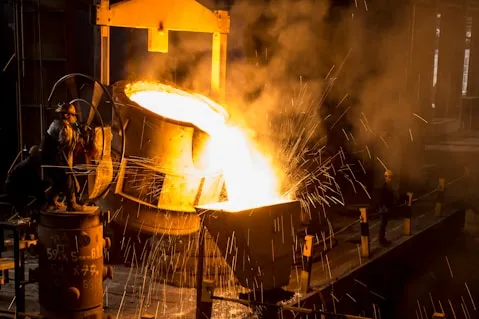
Iron & Steel

Cement Industry
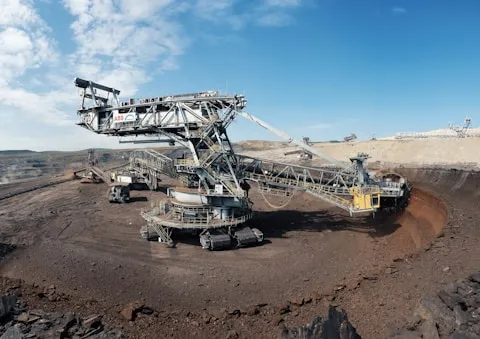
Metal & Mining

Shipping & Marine

Construction & Infrastructure

Chemicals & Fertilizer

Pharmaceutical& Life Science

Food FMCG & Agriculture

Electrical & Electronics

Retails & Consumer Durable
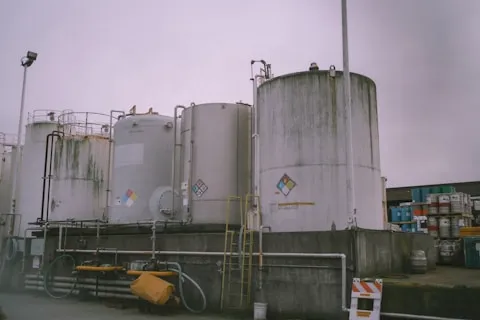
Petrochemical, Oil, Gas & Refinery
Upon completing our Work at Height training programs, participants can expect to:
Learn to recognize common fall hazards, evaluate work-at-height risks, and apply effective control measures to prevent incidents before they occur.
Understand proper selection, inspection, donning, fitting, and usage of PPE such as harnesses, lanyards, anchor points, lifelines, and connectors.
Gain practical knowledge on planning elevated tasks, ensuring safe access/egress, using scaffolds/ladders correctly, and adhering to site-specific work procedures.
Develop the ability to respond to fall-related emergencies, perform basic rescue techniques, and follow company emergency protocols efficiently.
Be equipped to maintain compliance with statutory safety requirements and promote a proactive safety culture. Learn how to monitor behaviors, mentor peers, and reinforce safe work-at-height practices.

Each CORE-EHS Working at Height Training program is delivered through immersive learning formats, combining practical engagement, regulatory focus, and measurable safety outcomes.
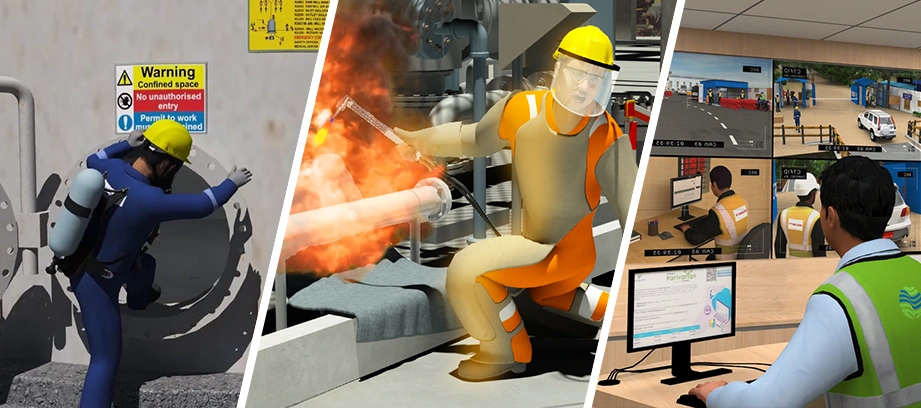
Experience real-world work-at-height hazards through immersive 3D visuals that make learning engaging, safe, and easy to remember.
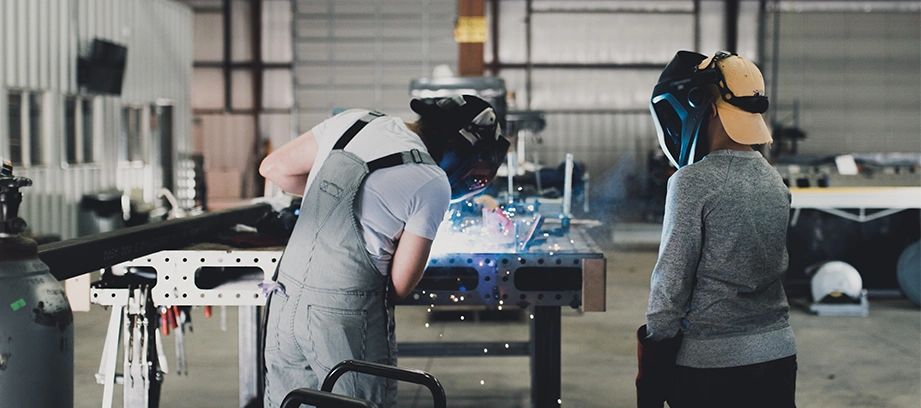
Hands-on, instructor-led sessions where participants practice height safety techniques under expert supervision.
Live online sessions with interactive discussions, case studies, and real-time Q&A to make remote learning effective and flexible.

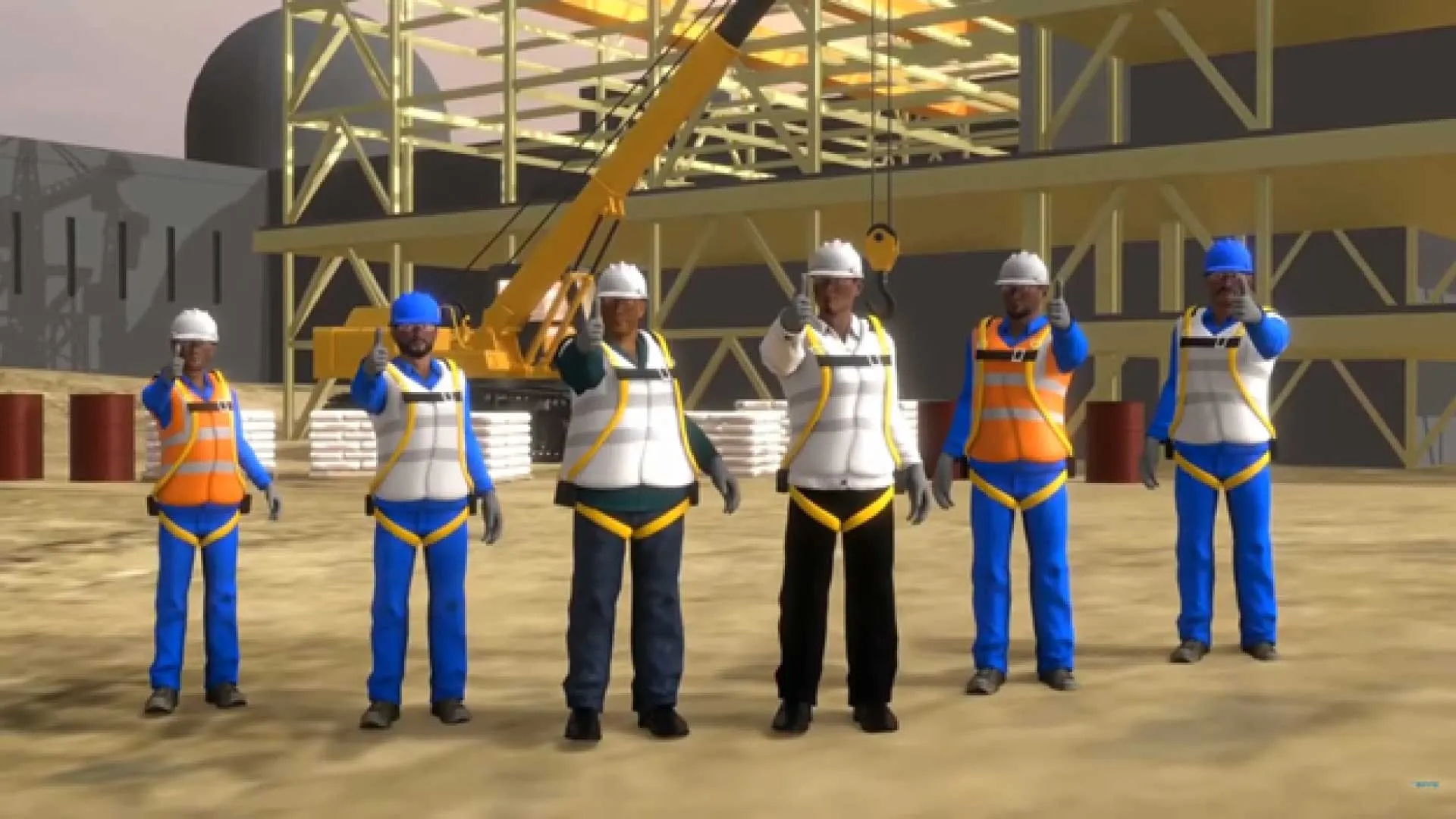
Delivered directly at your facility, combining classroom instruction with field demonstrations for practical, real-world understanding.








To know more about us
Work at Height Training is suitable for workers, technicians, supervisors, engineers, safety personnel, contractors, and others who perform, supervise, or support tasks where there is a risk of falling from one level to another. The appropriate programme should be selected according to the participant’s role and responsibilities.
Training can cover fall-hazard identification, risk controls, safe access, fall-prevention and fall-protection systems, full-body harnesses, lanyards, anchorage points, lifelines, equipment checks, safe work practices, and emergency procedures. Coverage varies according to the selected training programme.
CORE-EHS offers different Work at Height programmes based on participant roles and competency requirements. Current programmes range from one to two days, depending on whether the training focuses on awareness, supervision, rescue, or fall protection and harness inspection.
Practical activities may be included depending on the selected programme. These can involve demonstrations, equipment familiarisation, fall-protection practices, harness use, inspection activities, and rescue-related exercises where applicable. Confirm the practical scope when selecting the programme for your team.
Yes, relevant programmes can cover the correct selection, fitting, use, and inspection of full-body harnesses and associated fall-protection equipment. Participants can also learn what to check before use and how to identify visible defects or unsafe conditions.
Work at height generally refers to work performed in a location where a person could be injured by falling from one level to another. This may include work on ladders, roofs, platforms, scaffolds, structures, elevated equipment, or near openings and edges.
There is no single height threshold that should be assumed for every workplace, activity, or jurisdiction. Work-at-height controls should be based on the applicable legal requirements, site procedures, and the actual risk of a fall. Employers should assess the task and apply appropriate controls before work begins.
Fall-protection topics can form part of Work at Height Training, while specialised rescue skills are covered through the appropriate rescue-focused programme. CORE-EHS offers separate training options for awareness, supervision, rescue, and fall protection so organisations can select the scope that matches their workforce requirements.
Yes. CORE-EHS offers onsite training for organisations, allowing programmes to be delivered in the context of the workforce, work environment, and relevant height-related activities. Classroom and practical delivery options depend on the selected programme and site requirements.
Yes, participants receive a certificate after successfully completing the Working at Height Training program. The certificate confirms participation and completion of the selected training course, subject to the applicable assessment and program requirements.
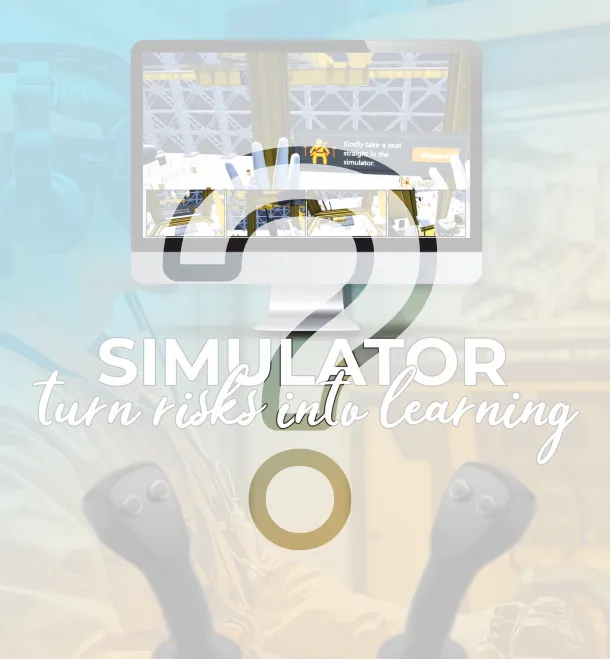

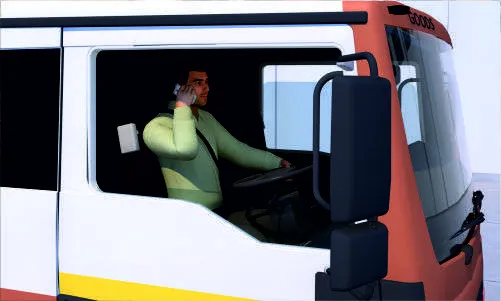
Defensive driving is a form of training for vehicle drivers that makes them aware about the driving rules, standard driving practices and the required driving mechanics.
Enquire Now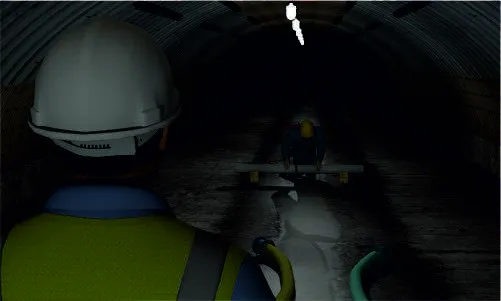
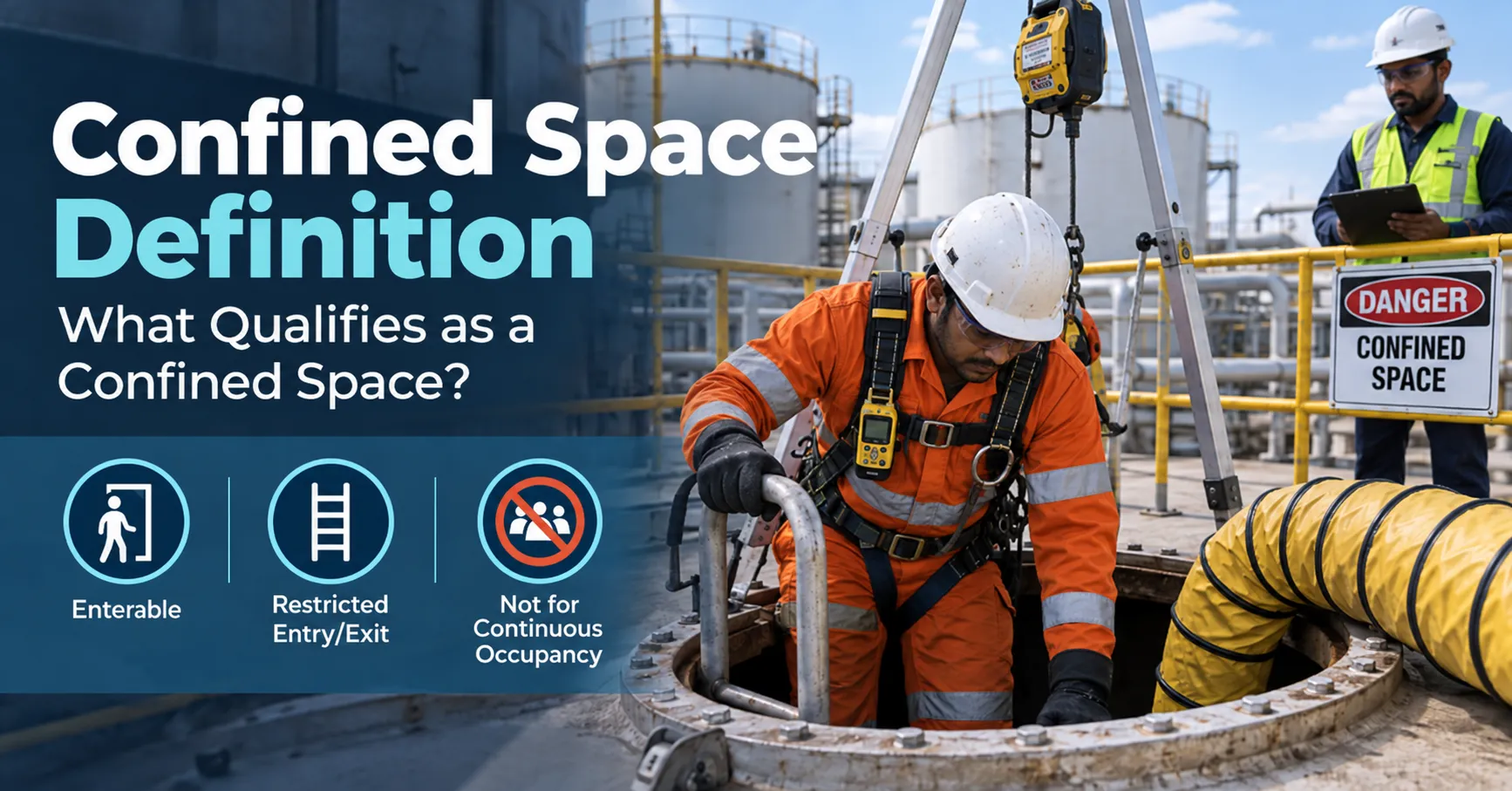
Prevent confined space accidents with certified safety training. Learn hazard control, safe entry, permits, and rescue skills for high-risk work environments.
Enquire Now
Ergonomic Safety Training focuses on identifying workplace ergonomic risks and adopting safe work practices to reduce strain, prevent musculoskeletal injuries, and improve worker wellbeing.
Enquire NowHere’s what we've been up to recently.