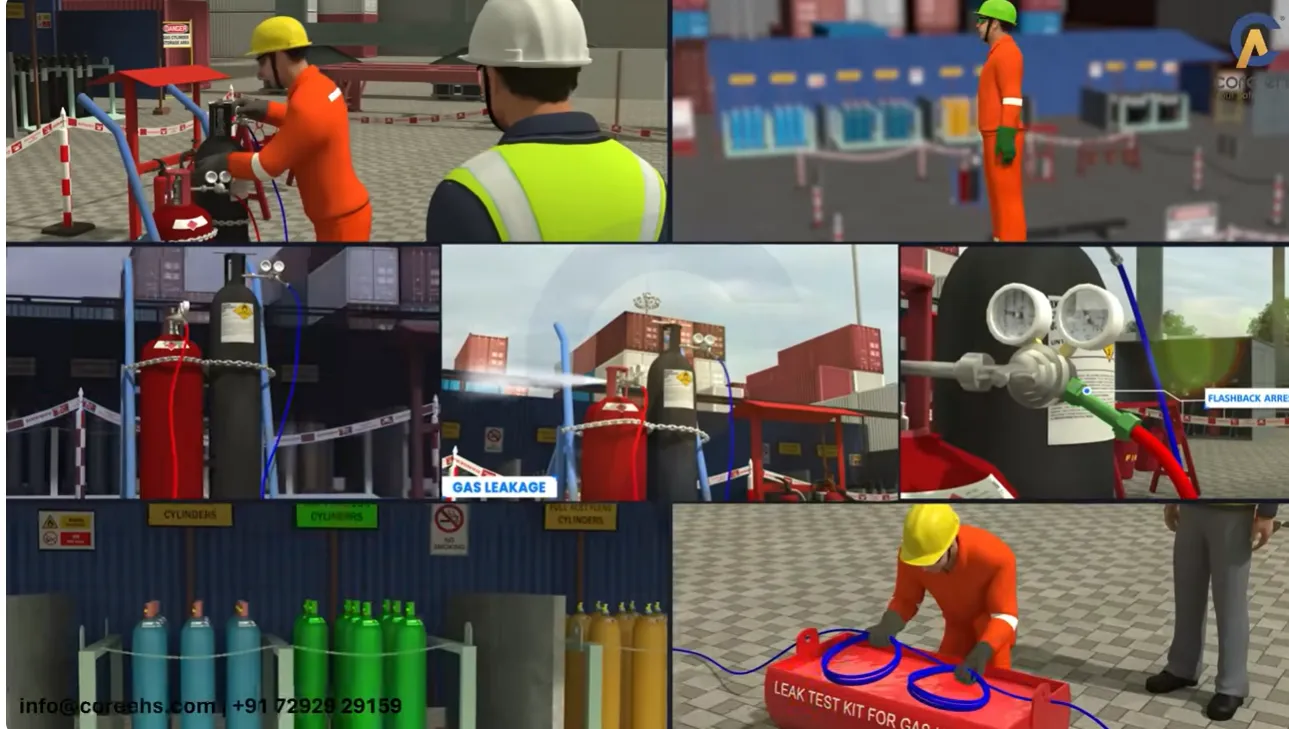
Flammable Gas Storage and Handling Techniques

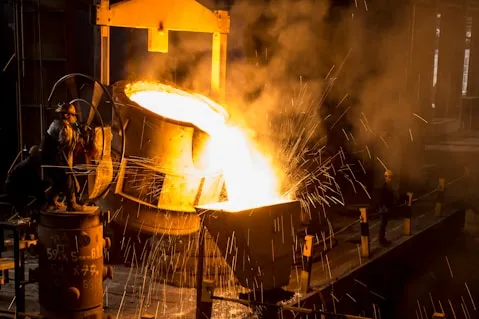
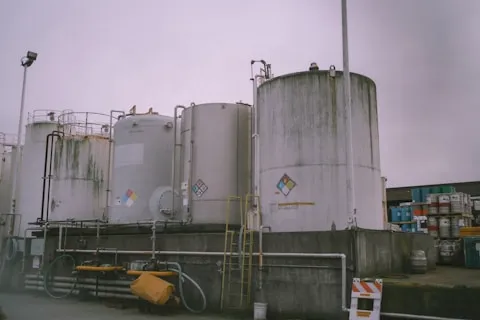
Fires or explosions can occur when vapors or liquids are released from a controlled environment to areas where there may be an ignition source, or, alternatively, when an ignition source is introduced into a controlled environment.

Flammable Gas Storage and Handling Techniques

Fires or explosions can occur when vapors or liquids are released from a controlled environment to areas where there may be an ignition source, or, alternatively, when an ignition source is introduced into a controlled environment.

pepicons pencil checkmark outlined
Premium
4.5
573 ratings
ic outline people
1089
learners
pepicons pencil checkmark outlined
Premium
4.5
573 ratings
ic outline people
1089
learners

What you’ll learn

  • Learn to recognize hazards associated with compressed and flammable gases, including fire, explosion, and asphyxiation risks.
  • Understand the properties and behavior of flammable gases and how leaks can escalate into major incidents.
  • Recall and practice safe use, handling, and storage procedures for compressed gas cylinders.
  • Learn correct cylinder identification, labeling, color coding, and segregation requirements.
  • Identify flammability hazards related to ignition sources, static electricity, and incompatible materials.
  • Understand safe practices for transporting, securing, and connecting gas cylinders.
  • Learn emergency response actions for gas leaks, fires, and cylinder damage.
  • Build competence to ensure regulatory compliance and safe gas management in industrial and laboratory environments.

CORE-EHS Specification

coreehs 3d animation

3d Animated Video for Processes

pre & post assessment

Pre & Post Assessment

teenyicons_mobile-outline

Access on Mobile as Well as Desktop

hugeicons_star-award-02

Certificate of Completion

CORE-EHS Course Objectives

7 sections • 7 lectures 

Flammable Gas Storage and Handling Techniques 1 Flammable Gas Storage and Handling Techniques 2 Flammable Gas Storage and Handling Techniques 3 Flammable Gas Storage and Handling Techniques 4

Flammable Gas Storage and Handling Techniques

Related Courses

Workplace Ethics Code of Conduct 300x185

Workplace Ethics & Code of Conduct

17 minutes
156 Students
4.5
4 Lessons
Highest Rated
Slips and Trips 300x185

Slips and Trips

17 minutes
156 Students
4.5
3 Lessons
Best seller
Rigging Methodology 300x185

Rigging Methodology

17 minutes
156 Students
4.5
4 Lessons
Best seller

To know more about us

Frequently Asked Questions

Yes. Customised safety eLearning courses can be deployed on a company’s existing LMS and configured to track progress, assessments, and completion records for compliance and audit purposes.

Multilingual eLearning removes language barriers by delivering training in multiple languages, ensuring safety instructions are clearly understood by diverse teams across regions and cultures.

Yes. HSE eLearning courses are designed to be device-friendly and can be accessed on laptops, desktops, mobile phones, and tablets, making training accessible anytime and anywhere.

The cost depends on course duration, level of interactivity, visual design, assessments, and customisation depth. Custom eLearning is typically a cost-effective long-term solution that reduces repeat training expenses.

Available modules cover a wide range of topics, including scaffolding safety, hot work safety, work at height, confined space, electrical safety, machine guarding, fire safety, chemical handling, and emergency response.

Yes. Organisations can request industry-specific and role-based eLearning safety courses designed around their operations, hazards, and compliance requirements, ensuring higher training relevance and impact.

HSE eLearning offers greater flexibility and consistency than classroom training. While classroom sessions depend on instructor availability, eLearning ensures the same quality content is delivered every time and can be easily refreshed or updated.

Industries with distributed teams or high-risk operations benefit the most, including construction, manufacturing, oil and gas, power, logistics, chemicals, infrastructure, and mining.

Customised eLearning modules reflect actual workplace hazards, job roles, and procedures. This relevance improves engagement, helps employees relate training to real tasks, and leads to better understanding and safer on-the-job behavior.

HSE eLearning courses make safety training flexible, consistent, and scalable. Employees can learn at their own pace while organizations ensure uniform safety messaging, better knowledge retention, and reduced training downtime across locations.

E learning FAQ image
Connect with us image

Let's Transform your Safety Culture!

    Blogs

    Here’s what we've been up to recently.

    View all
    top white arrow