The Chemical Is Not Always the First Warning
A worker picks up a chemical container.
The label is slightly faded, but the name looks familiar.
The task is routine. The area is busy. The PPE is available. The SDS is somewhere in the system.
So the work begins.
This is how many chemical safety gaps start. Not with a dramatic spill or explosion, but with one small assumption: “We know this chemical.”
But chemical safety does not work on memory. It works on verification.
A chemical that looks routine can still be flammable, corrosive, toxic, reactive, harmful to the eyes, unsafe to inhale, incompatible with another substance, or dangerous during storage and disposal. A label can warn the worker within seconds. A chemical safety data sheet can explain what the label cannot. PPE can protect only when it matches the chemical and exposure route. Training can work only when workers understand what to do before, during, and after chemical use.
So, what is chemical safety?
Chemical safety is the practice of identifying chemical hazards, understanding risks, following chemical safety rules, using the right controls and PPE, training workers, preparing emergency equipment, and reporting unsafe conditions before they become incidents.
In this blog, we will look at chemical safety rules in a practical workplace way, covering SDS, chemical safety labels, chemical safety symbols, PPE, chemical safety goggles, storage, emergency equipment, chemical safety training, and the role of MSDS software, eLearning, VR training, 3D animation, and hazard reporting software.
What Is Chemical Safety?
Chemical safety means controlling the risks that come from using, storing, handling, transporting, mixing, transferring, or disposing of chemicals at the workplace.
In practical terms, chemical safety helps workers answer five important questions before work begins:
- What chemical am I using?
- What can it do to me, others, equipment, or the environment?
- How should I handle and store it?
- What PPE and chemical safety equipment are required?
- What should I do during a spill, exposure, fire, or emergency?
OSHA’s Hazard Communication Standard requires chemical manufacturers and importers to classify chemical hazards and communicate hazard information through labels and safety data sheets. Employers must also maintain a hazard communication program and train workers on chemical hazards and protective measures.
A strong chemical safety program should not stop at compliance. It should help workers make better decisions at the point of work.
Key line: Chemical safety starts before the chemical is opened.
Why Chemical Safety Rules Matter at Work
Chemical safety rules are needed because chemical hazards are not always visible.
A vapour may not be seen. A corrosive splash may happen in seconds. A reaction may start only after two incompatible materials are mixed. A worker may wear gloves, but the glove material may not be suitable for that chemical. A container may look harmless, but the SDS may show serious inhalation, skin, eye, fire, or environmental hazards.
Hazard Communication remains one of OSHA’s most frequently cited standards, which shows that chemical hazard communication, labels, SDS access, and training continue to be major workplace compliance and safety issues.
The U.S. Department of Labor also notes that OSHA’s 2024 update to the Hazard Communication Standard is intended to improve the quality of information on labels and safety data sheets so workers and first responders can respond more quickly in emergencies.
This is why chemical safety rules must be practical, visible, and repeatable.
They should help workers:
- Read the chemical safety data sheet before use
- Understand chemical safety labels and symbols
- Select the correct PPE
- Use chemical safety goggles, gloves, respirators, aprons, or face shields when required
- Store chemicals based on compatibility
- Keep emergency equipment ready
Report leaks, odours, missing labels, damaged containers, and unsafe storage early
Rule 1: Read the Chemical Safety Data Sheet Before Use
The chemical safety data sheet is one of the most important sources of information in chemical safety.
A chemical safety data sheet, also called an SDS, gives structured details about the chemical’s hazards, safe handling, storage, PPE, first aid, spill response, firefighting measures, stability, reactivity, exposure controls, and disposal information.
Many people still use the older term MSDS chemical safety data sheet or chemical material safety data sheet. Today, SDS is the standard term under OSHA’s Hazard Communication framework. OSHA requires employers to have a safety data sheet in the workplace for each hazardous chemical they use.
Before using a chemical, workers should check these SDS sections carefully:
| SDS Area | What Workers Should Check |
| Identification | Product name, supplier, recommended use |
| Hazard Identification | Hazard class, signal word, pictograms, hazard statements |
| First Aid Measures | Eye, skin, inhalation, ingestion response |
| Firefighting Measures | Suitable extinguishing media and special hazards |
| Accidental Release Measures | Spill containment and cleanup guidance |
| Handling and Storage | Safe handling, storage, incompatibilities |
| Exposure Controls/PPE | Required PPE and exposure limits |
| Stability and Reactivity | Conditions and materials to avoid |
| Disposal Considerations | Safe disposal guidance |
The NIOSH Pocket Guide to Chemical Hazards is another credible reference that provides workplace chemical information such as exposure routes, symptoms, target organs, and first aid information. NIOSH says its chemical safety resources support workers, employers, and occupational health professionals in understanding workplace chemical hazards.

Rule 2: Understand Chemical Safety Labels
Chemical safety labels are designed to communicate important hazard information quickly.
A label may include:
- Product identifier
- Signal word
- Hazard pictograms
- Hazard statements
- Precautionary statements
- Supplier information
- Handling or storage instructions
OSHA explains that labels for hazardous chemicals include harmonized signal words, pictograms, and hazard statements for hazard classes and categories.
Workers should never ignore labels because labels help identify immediate risks such as:
- Flammable liquid
- Corrosive material
- Toxic substance
- Oxidizer
- Gas under pressure
- Health hazard
- Environmental hazard
- Irritant or harmful substance
Chemical safety labels must be clear, readable, and attached to the right container. Secondary containers should also be labelled according to workplace procedures.
A chemical may be transferred from one container to another, but the hazard information should not disappear during the transfer.
Key line: If the chemical label is unclear, the risk is unclear.
Rule 3: Know Chemical Safety Symbols and Pictograms
Chemical safety symbols give workers a quick visual warning about the type of hazard.
Workers should be trained to recognize common chemical safety symbols, including:
| Symbol/Pictogram | Meaning |
| Flame | Flammable material |
| Corrosion | Skin burns, eye damage, metal corrosion |
| Skull and crossbones | Acute toxicity |
| Exclamation mark | Irritant, harmful, skin sensitizer |
| Gas cylinder | Gas under pressure |
| Flame over circle | Oxidizer |
| Exploding bomb | Explosion or self-reactive hazard |
| Health hazard | Carcinogen, respiratory sensitizer, reproductive toxicity, target organ toxicity |
| Environment | Aquatic environmental hazard |
Understanding chemical safety symbols is important because workers may not have time to read long text during fast-moving tasks or emergencies.
But symbols alone are not enough. The worker must still read the SDS, understand the task, and follow the control measures.

Rule 4: Select PPE Based on the Chemical and Exposure Route
Chemical safety PPE should never be selected by habit.
The same gloves, chemical safety goggles, respirator, apron, face shield, or coverall may not protect against every chemical exposure.
PPE selection should depend on:
- Chemical properties
- Exposure route: inhalation, skin, eyes, ingestion, injection
- Concentration
- Quantity
- Duration of task
- Splash potential
- Vapour or fume generation
- Temperature and pressure
- SDS guidance
- Compatibility of PPE material
- Emergency response requirements
NIOSH identifies PPE as the fifth and final level in the hierarchy of controls, meaning employers should not rely on PPE alone when other effective control options can reduce exposure.
This is important in chemical safety because PPE protects the worker only after the hazard still exists. Better chemical safety should also include elimination, substitution, engineering controls, ventilation, isolation, and safer work methods where possible.

Common PPE for chemical safety may include:
- Chemical safety goggles
- Face shields
- Chemical-resistant gloves
- Respirators
- Aprons
- Chemical suits or coveralls
- Safety shoes or boots
- Eye and face protection
- Splash protection
Chemical safety goggles are especially important where splashes, mists, corrosives, solvents, or irritants can contact the eyes.
Key line: PPE should match the chemical, not the routine.
Rule 5: Store Chemicals Based on Compatibility
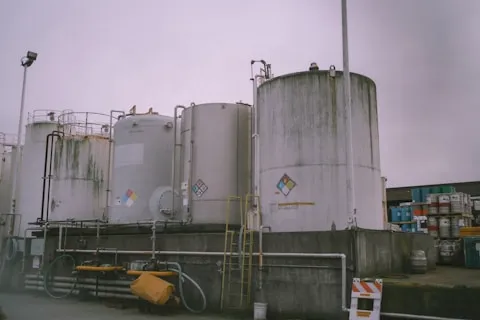
Safe chemical storage is a major part of chemical safety.
Chemicals should not be stored only by convenience, available space, or alphabetical order. Storage should consider chemical compatibility.
For example:
- Acids and bases may need separation.
- Oxidizers should be kept away from flammables and combustibles.
- Reactive chemicals should be isolated from incompatible substances.
- Flammable liquids may need approved storage cabinets.
- Corrosives may need corrosion-resistant storage areas.
- Gas cylinders should be secured and stored correctly.
- Chemicals should be protected from heat, sunlight, ignition sources, moisture, and unauthorized access.
Chemical storage areas should include:
- Clear labels and signage
- Ventilation
- Secondary containment
- Spill kits
- Fire protection
- Emergency equipment
- Access control
- Inventory visibility
- Inspection routines
- Housekeeping controls
The SDS should always be reviewed for storage rules, incompatibilities, and conditions to avoid.

Rule 6: Use the Right Chemical Safety Equipment
Chemical safety equipment supports safe handling, emergency readiness, and exposure control.
Depending on the workplace and chemical hazards, chemical safety equipment may include:
- Eyewash stations
- Emergency showers
- Spill kits
- Fire extinguishers
- Ventilation systems
- Fume hoods or local exhaust ventilation
- Safety cabinets
- Secondary containment trays
- Gas detectors
- Chemical-resistant tools
- Emergency alarms and signage
- First aid equipment
OSHA requires suitable facilities for quick drenching or flushing of the eyes and body where workers may be exposed to injurious corrosive materials. OSHA clarifies that these facilities should be available within the work area for immediate emergency use.
This matters because in chemical exposure events, time matters. Workers should not have to search for eyewash stations, showers, spill kits, or emergency response equipment after an exposure has already occurred.
Key line: Emergency equipment should be ready before the emergency happens.
Rule 7: Follow Safe Chemical Handling Precautions
Chemical handling precautions should be clear before the work begins.
Workers should know:
- Whether the chemical can be opened safely
- Whether ventilation is required
- Whether bonding and grounding are needed
- Whether the chemical can generate vapour, dust, mist, or fumes
- Whether the container is compatible and undamaged
- Whether the transfer equipment is suitable
- Whether the work area has spill containment
- Whether ignition sources are controlled
- Whether incompatible chemicals are nearby
- Whether the worker is trained and authorized
Unsafe chemical handling practices may include:
- Pouring chemicals without checking SDS guidance
- Using unlabelled containers
- Mixing chemicals without confirming compatibility
- Handling corrosives without eye and face protection
- Working without ventilation
- Using damaged containers
- Leaving containers open
- Storing chemicals near ignition sources
- Ignoring leaks, odours, or residue
- Using PPE without confirming compatibility
Chemical safety becomes stronger when every task follows a simple pattern:
Identify the chemical. Understand the hazard. Match the control. Handle with discipline.
Rule 8: Train Workers on Chemical Safety Before Exposure
Chemical safety training should not be limited to a classroom definition of “hazardous chemical.”
Workers need to understand what chemical safety means in their actual work area.
Chemical safety training should cover:
- What chemical safety is
- How to read a chemical safety data sheet
- How to understand chemical safety labels
- How to identify chemical safety symbols
- How to select PPE
- When to use chemical safety goggles
- How to handle chemicals safely
- How to store chemicals based on compatibility
- How to respond to spills and exposure
- How to report unsafe chemical conditions
- What to do during an emergency
- What not to do when chemical hazards are unclear
OSHA requires employers to provide effective information and training on hazardous chemicals in the work area at the time of initial assignment and when a new chemical hazard is introduced.
This is where training quality matters.
A worker may attend chemical safety training once, but still fail to act correctly during a spill, splash, vapour release, or incorrect mixing event if the training was too theoretical.
Practical chemical safety training should use real workplace examples, task-based scenarios, visual explanations, refreshers, assessments, and multilingual formats where required.
Rule 9: Use Visual and Digital Learning for Better Chemical Safety
Some chemical hazards are difficult to explain through classroom training alone.
Workers may not see vapours spreading. They may not understand how incompatible chemicals react. They may not visualize how a splash reaches the eyes. They may not fully understand why the wrong glove or respirator can fail.
This is where CORE-EHS service integration can add value.
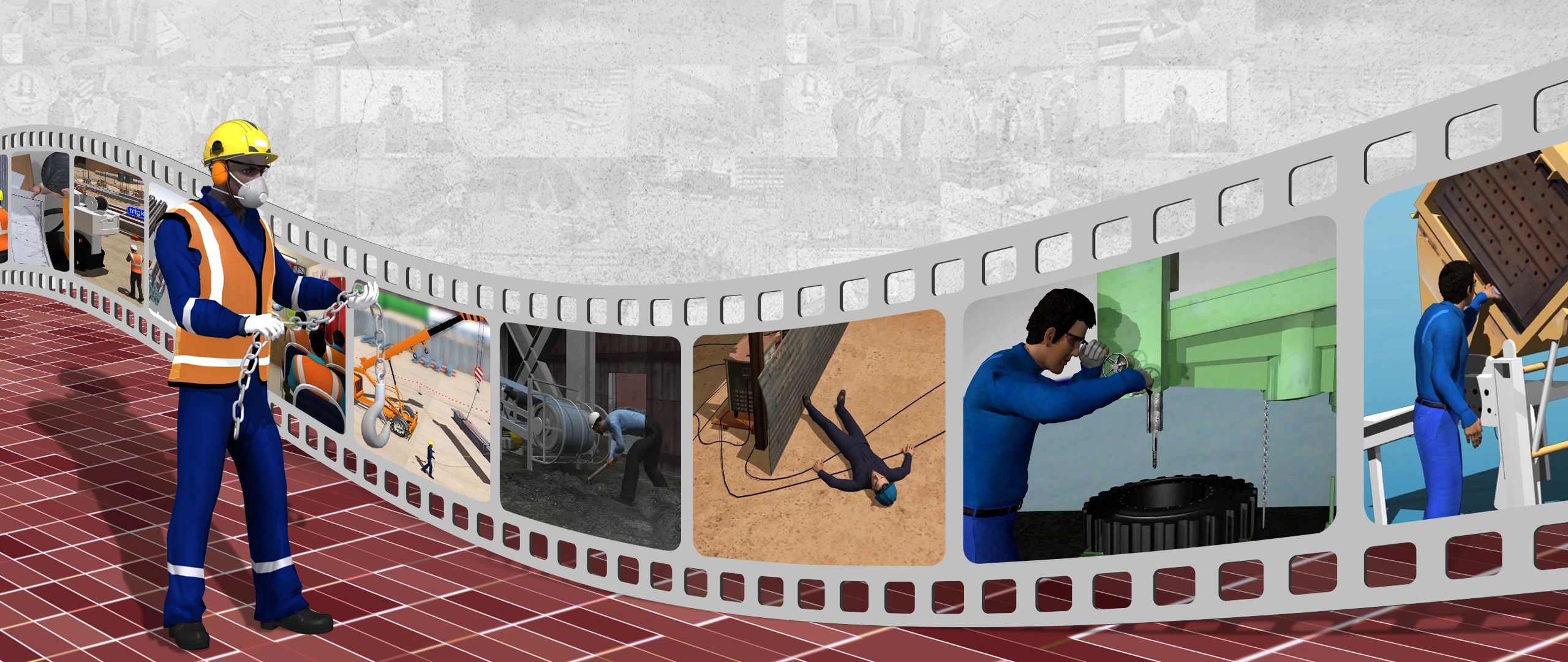
3D Animation for Chemical Safety Training
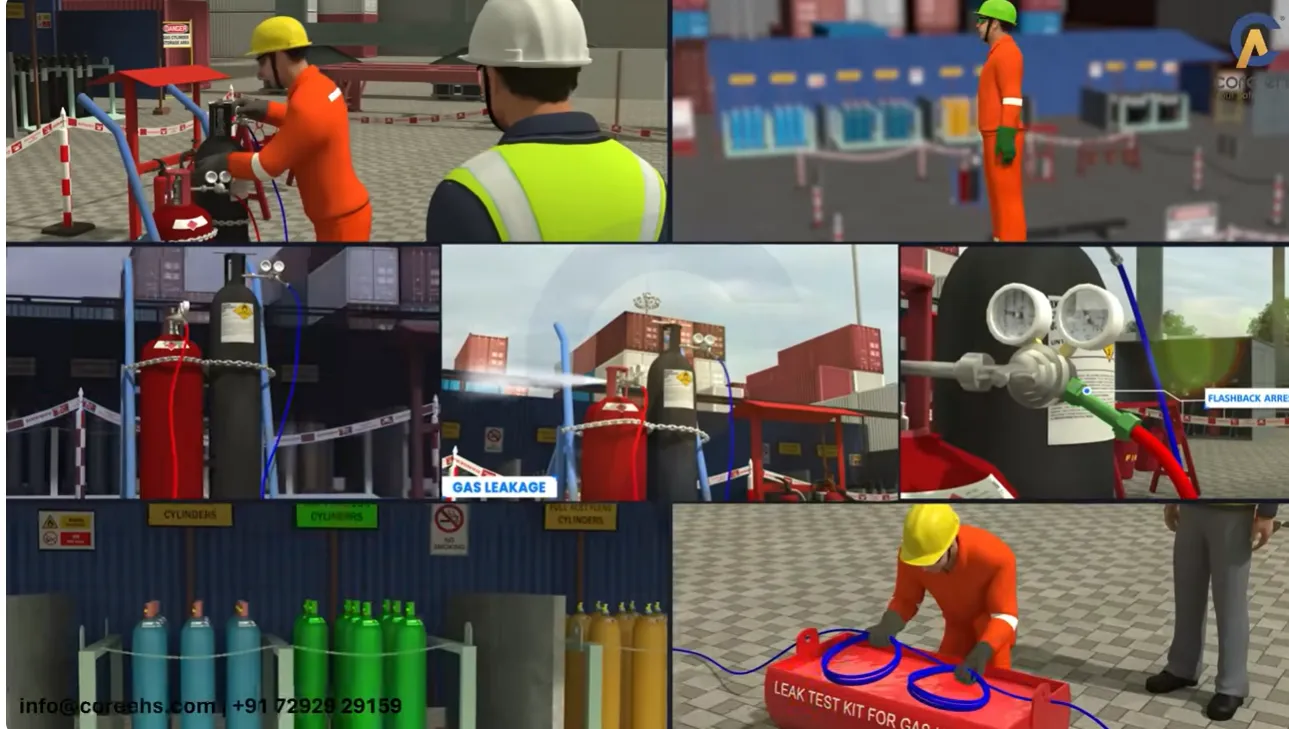
3D animated safety videos can show how chemical exposure happens, how vapours spread, how chemical mixing creates reactions, how PPE protects, and how emergency controls reduce risk.
Animation is especially useful when the hazard is invisible, complex, or difficult to demonstrate safely in real life.
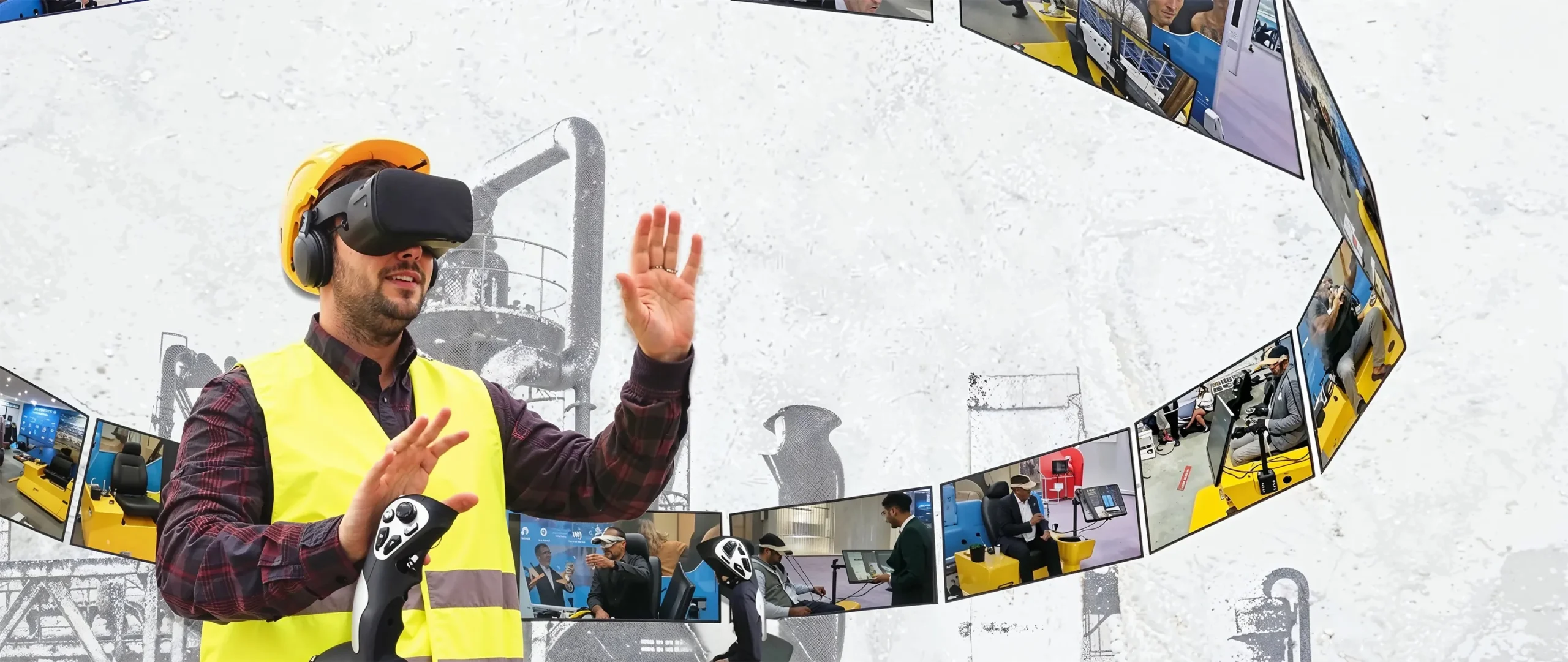
VR Safety Training for Chemical Handling
VR training can place workers inside realistic chemical handling scenarios without exposing them to actual danger.
Workers can practise:
- Reading labels
- Identifying chemical safety symbols
- Selecting PPE
- Opening containers
- Responding to spills
- Finding eyewash stations
- Using spill kits
- Making emergency decisions
VR helps workers practise critical decisions before facing real hazards.
eLearning for Consistent Chemical Safety Training
eLearning helps organizations deliver consistent chemical safety training across multiple sites, shifts, departments, and contractors.
It can support:
- Refresher training
- Knowledge checks
- Multilingual content
- Chemical safety assessments
- Training records
- Standardized learning paths
MSDS Software for Faster Information Access
MSDS software helps workers and supervisors access chemical safety data sheets quickly.
A digital SDS or MSDS system can make it easier to search by product, hazard, department, storage area, or emergency requirement. This supports faster decisions during chemical handling, storage, spill response, and emergency planning.
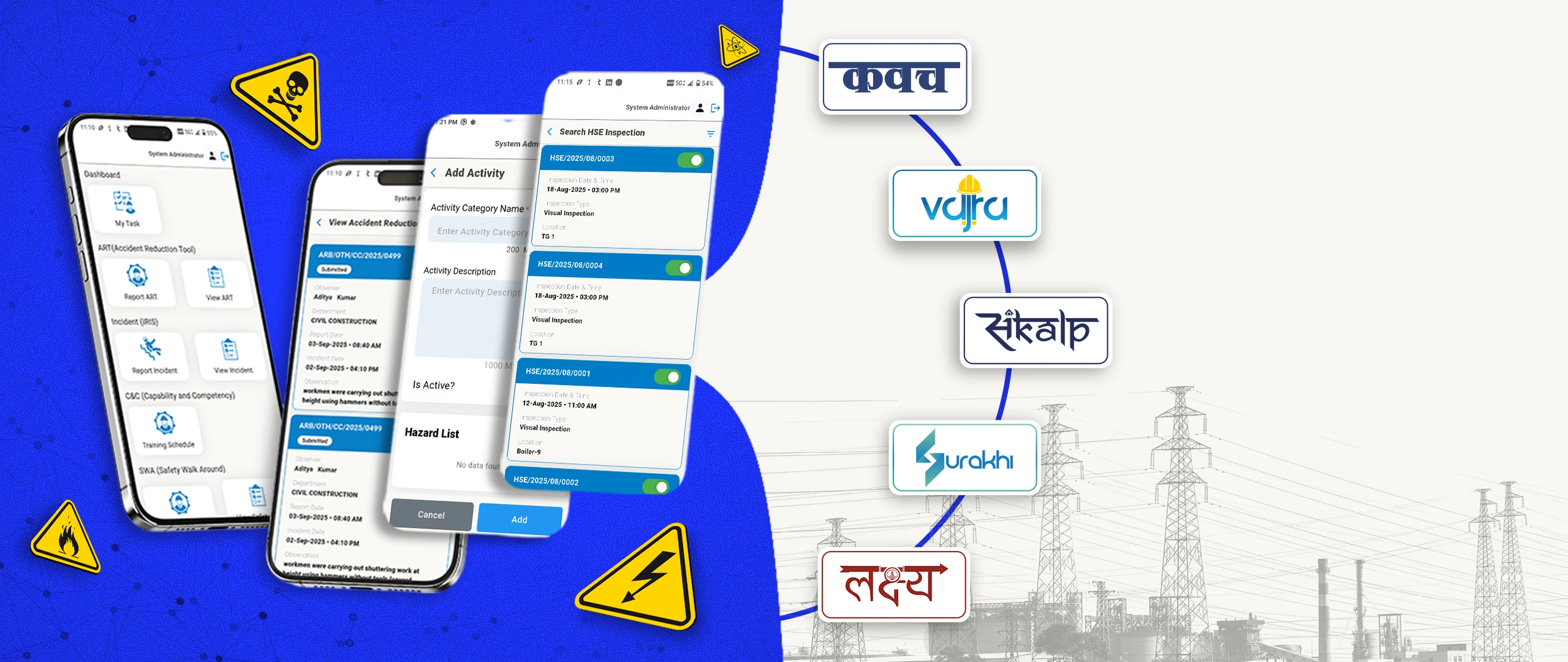
Hazard Reporting Software for Early Intervention
Hazard reporting software helps workers report missing labels, damaged containers, unsafe storage, chemical odours, leaks, wrong PPE, poor ventilation, and spill risks before they turn into incidents.
Chemical safety improves when unsafe conditions are reported, assigned, tracked, and closed.
Rule 10: Report Chemical Safety Gaps Early
Chemical incidents often give warning signs before they become serious.
Workers should report:
- Leaking containers
- Damaged labels
- Missing SDS
- Chemical odours
- Poor ventilation
- Wrong PPE
- Open containers
- Unsafe storage
- Mixed incompatible chemicals
- Spill residue
- Missing eyewash or spill kit access
- Damaged chemical safety equipment
- Untrained workers handling chemicals
- Unsafe disposal practices
Reporting should not be treated as blame. It should be treated as prevention.
When a worker reports a small leak, that report may prevent a larger spill. When a missing label is reported, it may prevent wrong handling. When poor ventilation is reported, it may prevent exposure. When incorrect PPE is reported, it may prevent injury.
A strong chemical safety system connects reporting with corrective action tracking.
Key line: Every reported chemical hazard is a chance to prevent exposure, fire, spill, or reaction.
Practical Chemical Safety Checklist
Before using any chemical, ask:
- Do we know what the chemical is?
- Is the chemical safety data sheet available?
- Has the SDS been reviewed?
- Is the container label readable?
- Are chemical safety symbols understood?
- Is the right PPE selected?
- Are chemical safety goggles required?
- Is ventilation adequate?
- Are incompatible chemicals separated?
- Is the storage area suitable?
- Is the container in good condition?
- Is spill response equipment available?
- Are eyewash and emergency shower facilities accessible where required?
- Are workers trained?
- Are emergency and reporting steps clear?

Conclusion: Chemical Safety Is a System, Not a Single Rule
Chemical safety does not begin when a spill happens.
It begins when a chemical is selected, received, labelled, stored, opened, transferred, used, cleaned, reported, and disposed of.
A strong chemical safety system makes sure workers do not rely only on memory or habit. They have access to the SDS. They understand chemical safety labels and symbols. They select PPE based on the chemical and task. They use chemical safety equipment correctly. They know what to do during spills and exposure. They receive practical chemical safety training. They report unsafe conditions early.
CORE-EHS helps organizations improve chemical safety through practical training, 3D animation, VR safety training, eLearning, MSDS software, hazard reporting systems, and visual safety content that supports safer chemical handling at work.
Because chemical safety is not just about telling workers to be careful.
It is about giving them the right information, the right controls, and the right confidence before the chemical is used.