“Everyone is wearing a mask. So, we are safe, right?”
Not always.
On many worksites, respiratory protection is treated as a simple PPE issue. A worker is given a mask or respirator, the task begins, and everyone assumes the risk is controlled. But the real question is not whether something is covering the worker’s face. The real question is whether that protection is suitable for the actual airborne hazard.
Dust, silica dust, welding fumes, chemical vapours, toxic gases, asbestos fibres, and oxygen-deficient atmospheres are not always visible. A work area may look normal, but the air may still be unsafe to breathe.
That is why effective respiratory protection needs more than PPE. It needs hazard identification, exposure review, correct respiratory protective equipment selection, respiratory protection training, fit checks, inspection, maintenance, PPE compliance tracking, unsafe condition reporting, and continuous improvement.
In this blog, we will look at how workplaces can strengthen respiratory protection through safety audits, hazard assessment, worker training, modern learning methods, PPE compliance tracking, hazard reporting, incident investigation, and a structured respiratory protection control framework.
The importance of respiratory protection is simple: a respirator can only protect when the entire safety system behind it works.
For industrial workplaces, the better question is not, “Do workers have PPE?”
It is, “Is our industrial respiratory protection system actually protecting them?”
Start With Hazard Identification and Exposure Review

Better respiratory protection starts with understanding what workers are exposed to. Before selecting any respiratory protection equipment, the workplace should identify the airborne hazard, review the task, check the work environment, and assess how exposure may occur.
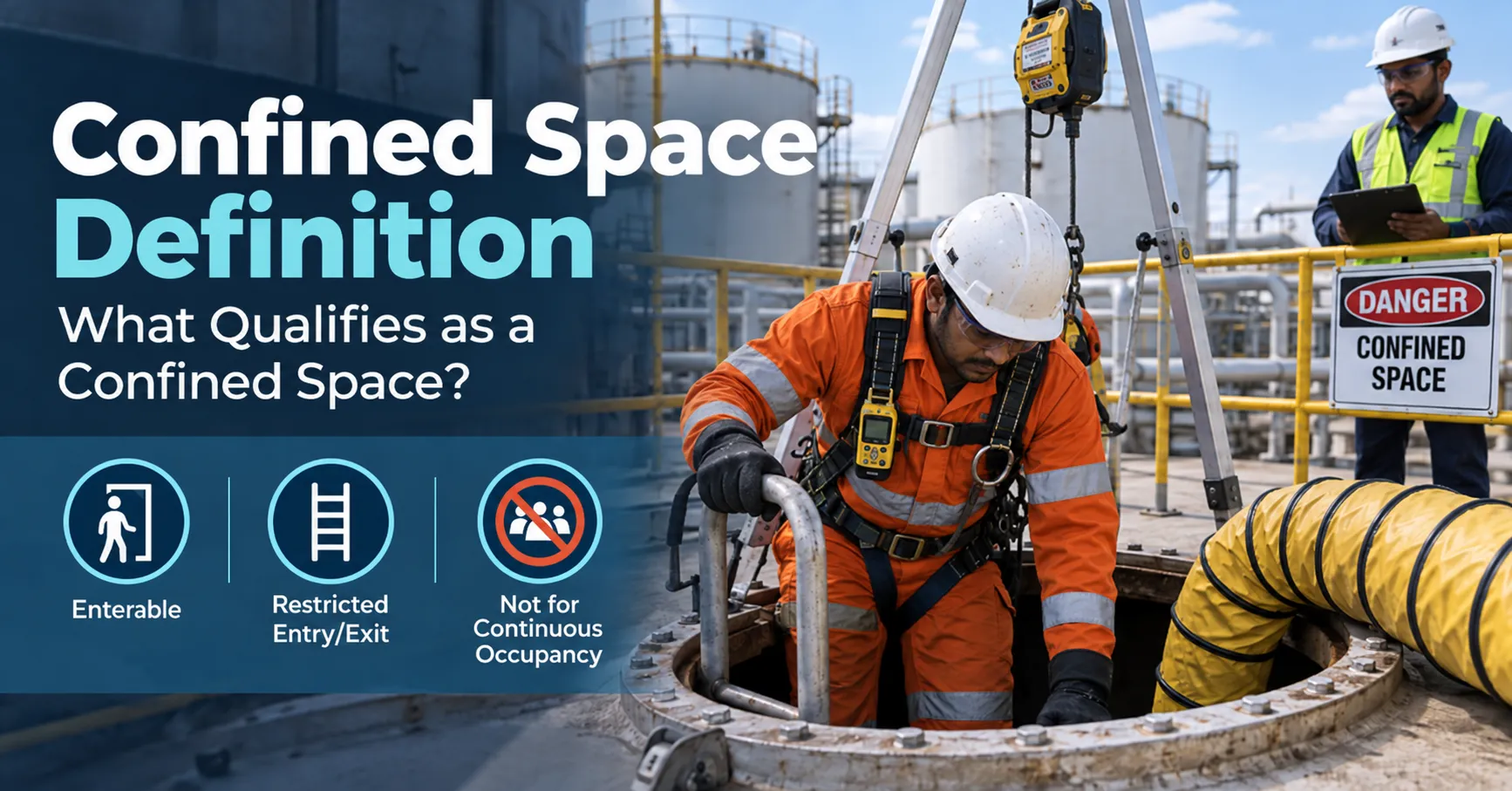
This is where safety audits, EHS gap assessments, workplace inspections, and task-based risk reviews become important. They help safety teams identify hazards such as silica dust during cutting or grinding, welding fumes during hot work, chemical vapours during handling or spraying, H2S during confined space or wastewater work, and asbestos fibres during demolition or maintenance activities.
A proper exposure review also helps answer important questions:
- Is the hazard dust, fume, gas, vapour, mist, fibre, or low oxygen?
- Is ventilation adequate?
- How long will the worker be exposed?
- Is the selected respirator suitable for the hazard?
- Are additional controls required before PPE is used?
This step is important because respiratory protection PPE should not be selected by guesswork. The right respirator, filter, cartridge, or supplied-air system depends on the actual risk.
Through EHS consulting, audits, and safety gap assessments, organizations can build a stronger foundation for a practical respiratory protection program that protects workers more effectively.
Build Worker Capability Through Respiratory Protection Training
Even the best respirator can fail if the worker does not know how to use it correctly. That is why respiratory protection training is a critical part of any effective respiratory protection system.
Workers should understand when respiratory protection is required, what hazard they are being protected from, and why the selected respiratory protective equipment is suitable for the task. Training should also cover how to wear the respirator, perform a seal check, remove it safely, clean and store it, inspect filters or cartridges, and identify signs of damage or expiry.
Good respiratory protective equipment training should be practical, not just theoretical. Workers should be able to connect the training with real site conditions such as dust generation, welding fumes, chemical vapours, confined space risks, or poor ventilation.
Training also helps reduce common mistakes like using the wrong filter, ignoring facial hair seal issues, reusing damaged equipment, or treating respiratory protection as optional.
For workplaces handling high-risk tasks, structured PPE safety training, confined space safety training, hazardous material handling training, and task-specific toolbox talks can help workers use respiratory protection PPE with more confidence and consistency.
Use Visual and Digital Training for Better Understanding
Respiratory hazards are often difficult to explain because workers may not always see what they are breathing in. Dust particles, welding fumes, chemical vapours, gases, and low-oxygen conditions can be missed during routine work. This is why modern training methods can make respiratory protection training more practical, engaging, and consistent across the workforce.
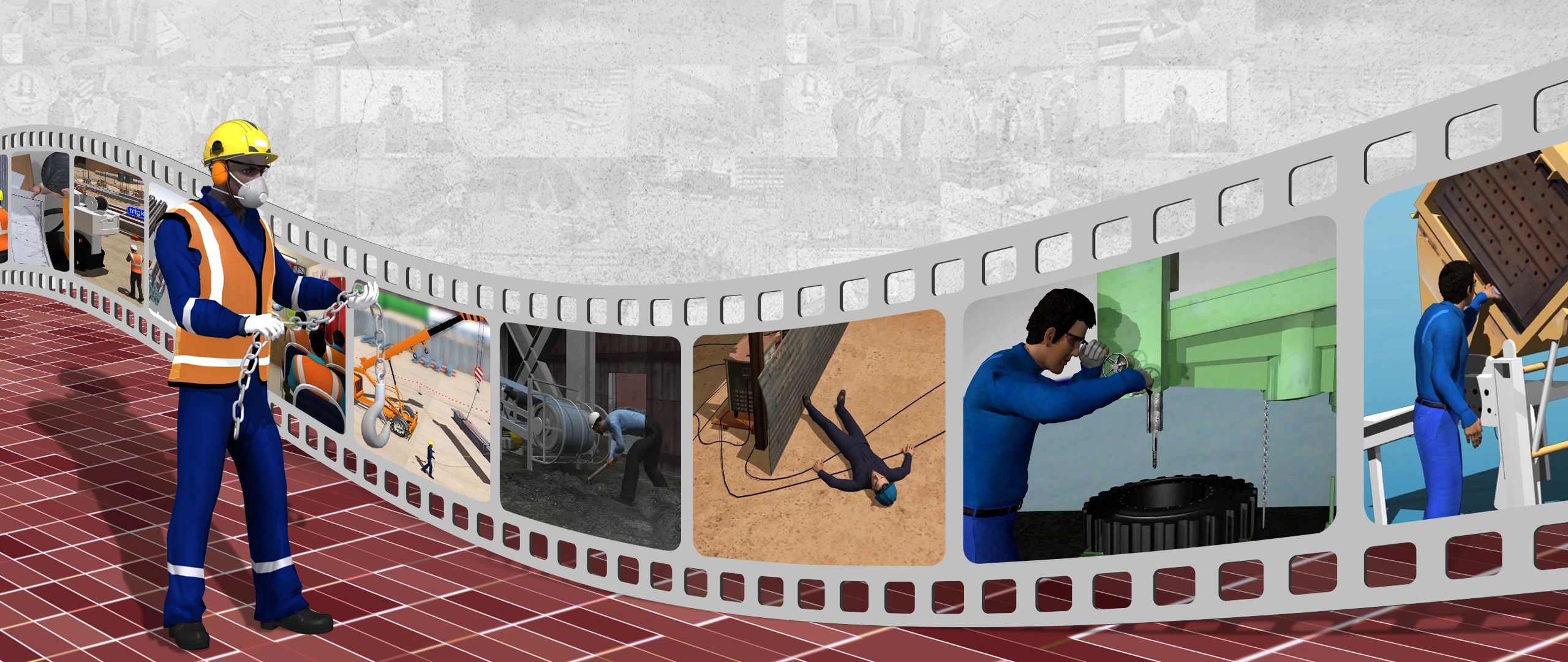
3D Animated Safety Training Videos
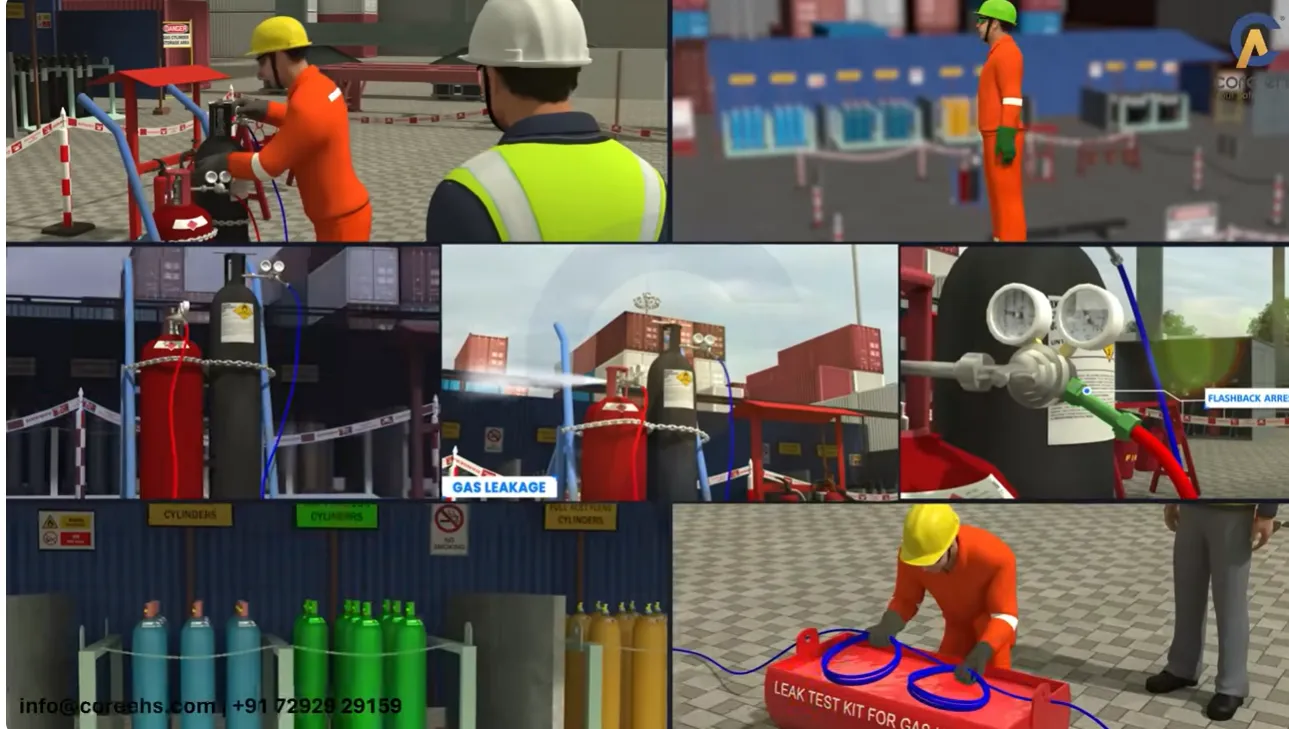
3D animation can visually show how airborne contaminants enter the breathing zone, how a respirator protects the worker, and what happens when the wrong filter, poor fit, or damaged equipment is used. It is useful for explaining invisible hazards in a simple and memorable way, especially for workers who may find technical classroom explanations difficult.
VR Safety Training
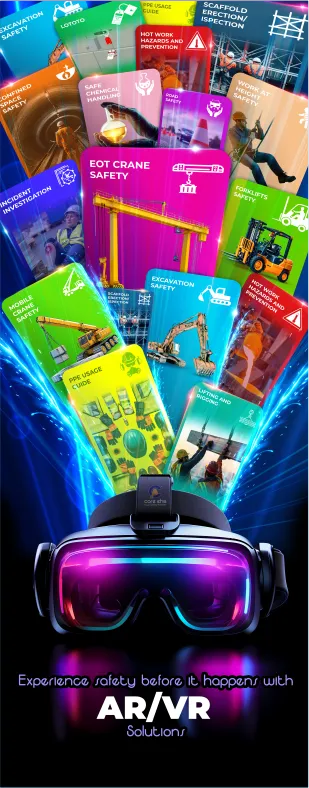
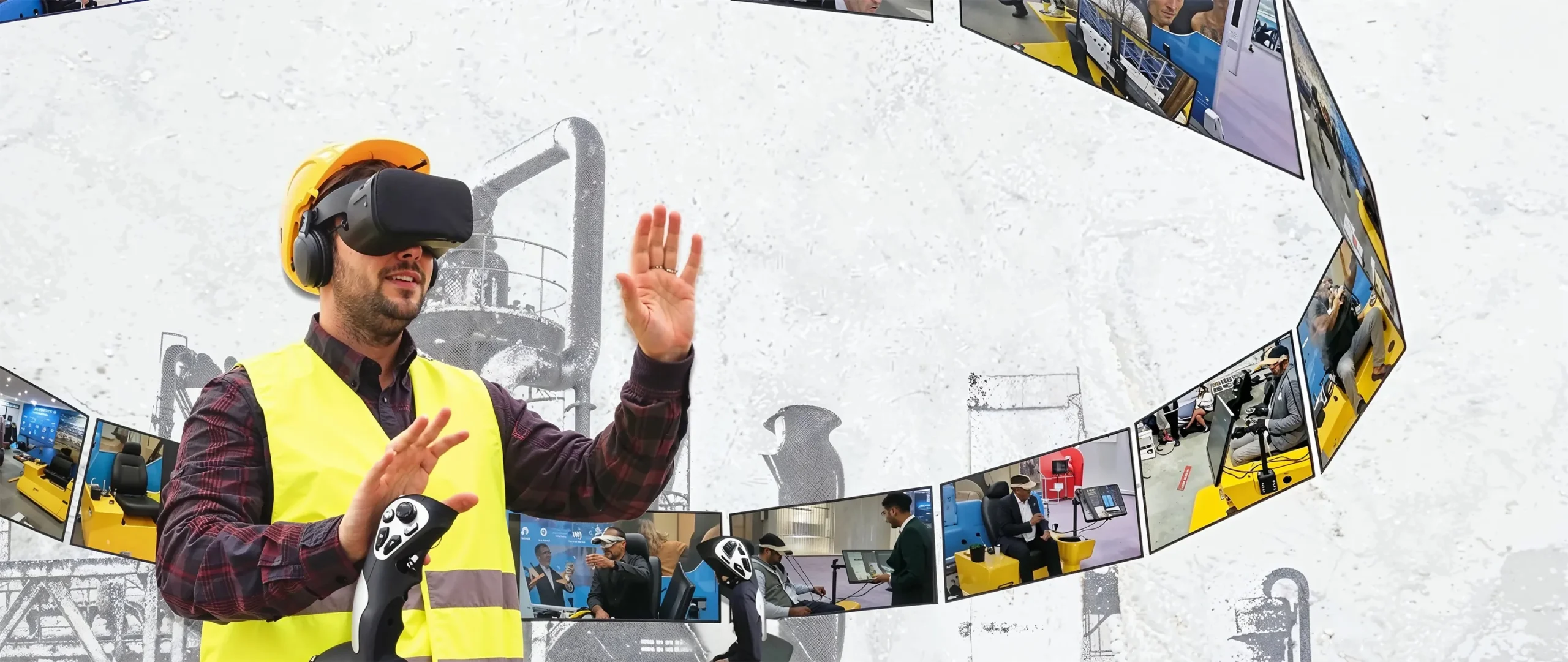
VR training can place workers inside realistic work scenarios such as confined space entry, welding areas, chemical handling zones, or dusty work environments. This allows them to identify respiratory hazards, choose the right protection, and practise safe responses without real exposure. It helps improve engagement because workers are not just watching the risk; they are experiencing the situation in a controlled way.
eLearning Safety Modules
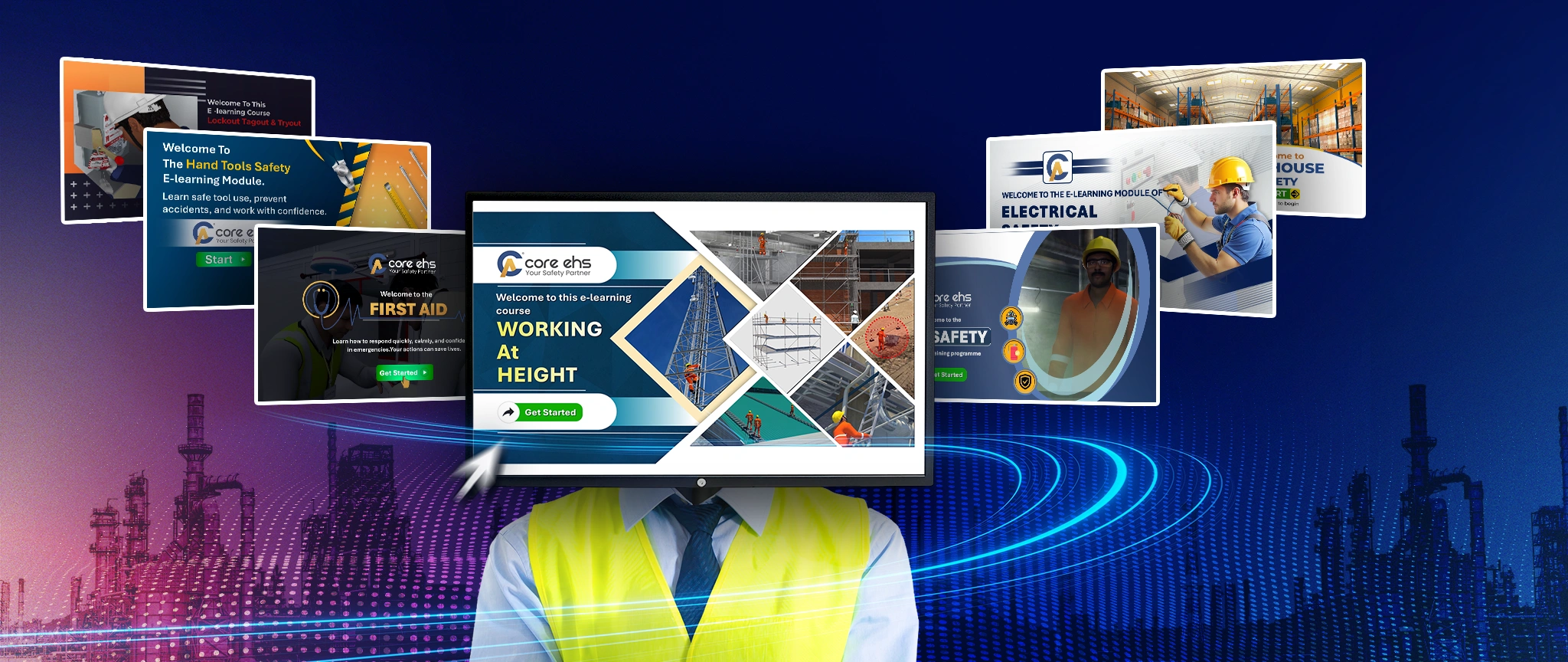
eLearning adds convenience and consistency to respiratory protective equipment training. Workers can learn at their own pace, revise important steps, complete assessments, and access the same standard content across multiple sites. eLearning modules can also be developed in multiple languages, helping organizations reduce language barriers and deliver uniform training to employees, contractors, and new joiners.
These methods do not replace site supervision or practical demonstrations. They strengthen them. When visual, immersive, and digital formats are combined with task-based training, workers can better understand when to use respiratory protection PPE, how to use it correctly, and why it matters.

Track PPE Availability, Issuance, Expiry and Compliance
Respiratory protection can fail even before the task begins if the right equipment is not available. A worker may have a respirator, but the filter may be expired, the cartridge may not match the hazard, or the issued equipment may not be suitable for that specific job.
This is why respiratory protection PPE needs proper tracking. Safety teams should know which respiratory protection equipment is available, who it has been issued to, when filters or cartridges need replacement, whether inspections are completed, and whether compliance records are updated.
For multi-site industrial workplaces, manual tracking can become difficult. Respirators, disposable masks, cartridges, filters, facepieces, and other PPE items may be used across different departments, contractors, shifts, and locations.
A digital PPE management system such as CORE PPEVault PPE Inventory & Compliance Management Software can help organizations track PPE stock, issuance, expiry, maintenance, inspection status, and worker-wise PPE accountability.

This supports better PPE respiratory protection because the right equipment must be available, valid, inspected, and traceable before workers enter areas with airborne hazards.
Report Unsafe Conditions Before They Become Incidents
Respiratory protection improves when workers can report problems early. Many exposure risks begin as small unsafe conditions: damaged respirators, missing cartridges, expired filters, poor ventilation, visible dust accumulation, chemical odours, or workers using the wrong respiratory protective equipment for the task.
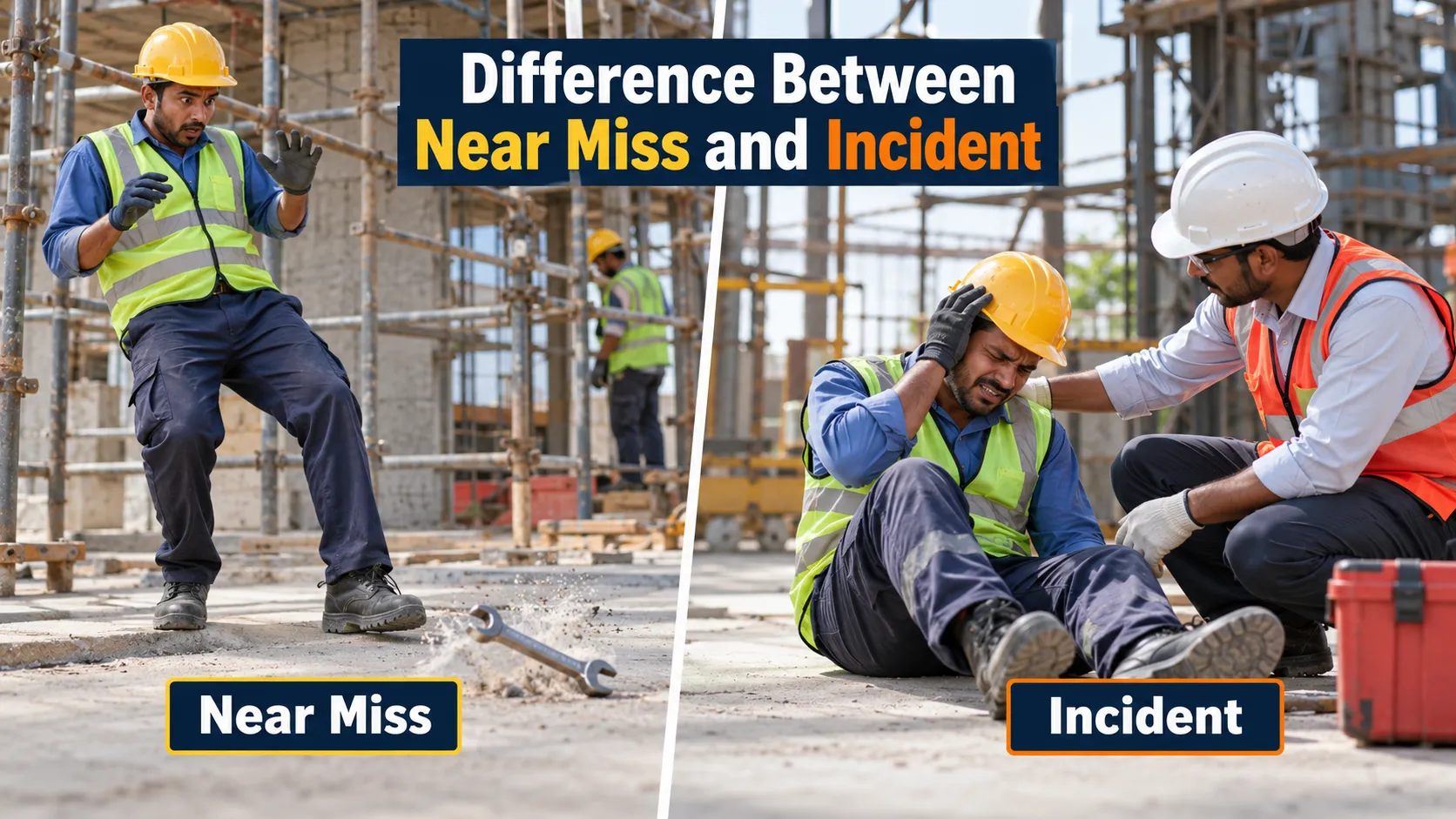
If these issues are not reported, they can become repeated exposure events, near misses, or serious incidents. A strong respiratory protection program should make it easy for workers and supervisors to report unsafe conditions without delay.
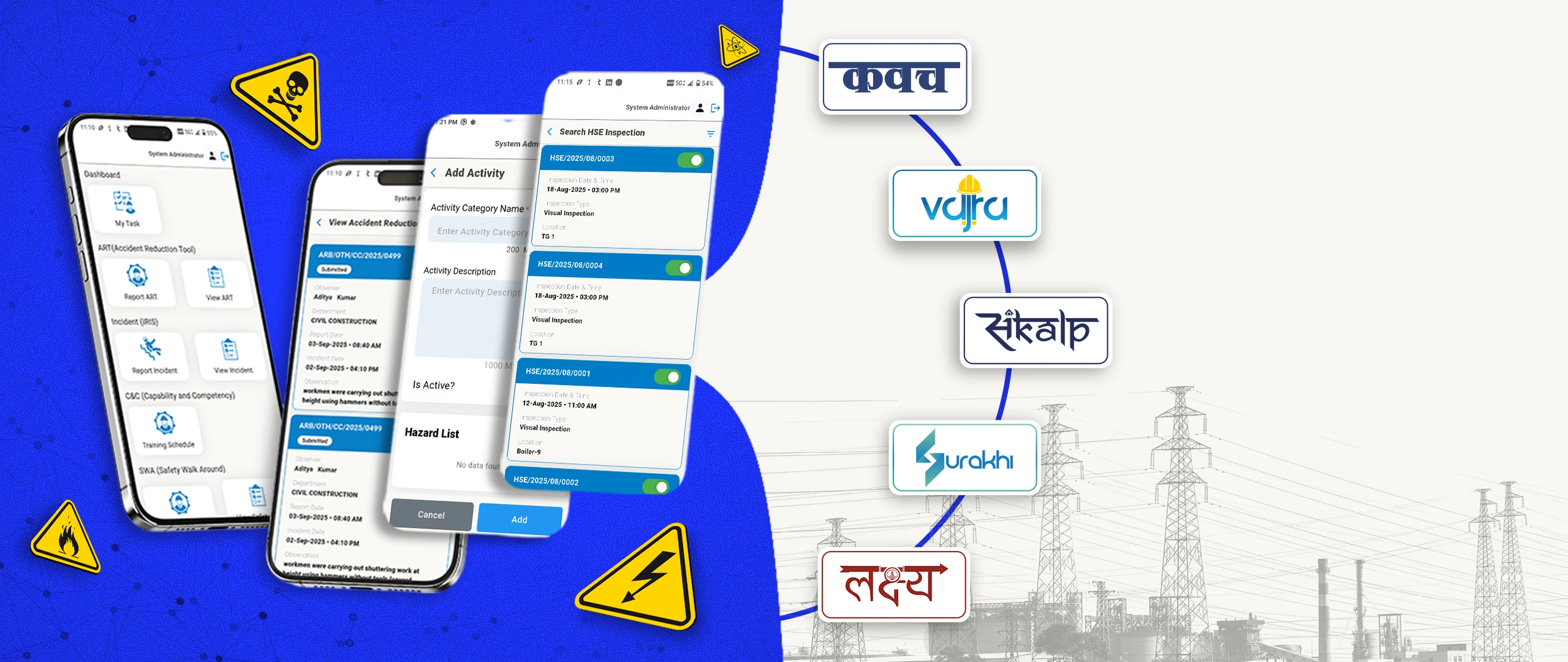
This is where CORE-EHS ART Hazard Reporting Software can support workplace safety. It helps teams report respiratory hazards, unsafe conditions, near misses, and corrective actions through a structured digital system.

For better industrial respiratory protection, reporting should not be seen as fault-finding. It should be seen as early prevention. When workers report what they see, safety teams can act before exposure turns into harm.
Investigate Respiratory Safety Incidents and Near Misses
Even with good training and PPE controls, respiratory safety gaps can still occur. A worker may use the wrong respirator, enter an area with poor ventilation, miss a filter replacement, or report breathing discomfort after exposure. These cases should not be closed with a quick correction alone.

A strong respiratory protection program should include incident reporting, near-miss review, root cause analysis, and corrective action tracking. This helps safety teams understand why the issue happened and how to prevent it from repeating.
For example, repeated respiratory protection failures may point to deeper problems such as poor training, unclear PPE selection, weak supervision, missing inspection records, or lack of stock visibility.
CORE IRIS Incident Management Software can support this process by helping organizations report incidents, investigate root causes, assign corrective actions, track closure, and maintain audit-ready records.

This strengthens industrial respiratory protection by turning every incident or near miss into a learning opportunity for safer future work.
Bring Respiratory Protection into the Wider Safety System
Respiratory protection works best when it is not treated as a standalone PPE activity. It should be part of a wider safety management system where hazards are identified, controls are reviewed, workers are trained, unsafe conditions are reported, and improvements are tracked over time.
This is where a structured consulting-led approach can add real value. Through safety maturity reviews, gap assessments, site observations, process reviews, and capability-building programs, organizations can understand whether their current respiratory protection program is actually working at ground level.
A strong framework may include:
Hazard Review → Gap Assessment → Control Planning → Training → PPE Compliance Tracking → Reporting → Incident Learning → Continuous Improvement

For example, if workers are using respirators but filters are not replaced on time, the issue may not be only a PPE problem. It may point to gaps in inventory control, training, supervision, inspection, or accountability. Similarly, repeated exposure complaints may indicate deeper gaps in ventilation, task planning, contractor safety, or incident reporting.
By connecting respiratory protection with safety management consulting, audits, competency development, digital reporting, and periodic review, organizations can move from basic compliance to a more reliable and measurable system.
The goal is simple: respiratory protection should not depend on assumptions. It should be supported by a system that helps ensure the right protection, for the right worker, at the right time.