Most people see rainwater as the problem.
In industrial workplaces, the real problem is where that water goes.
Rainwater seeps through damaged roofs. Moisture enters junction boxes. Water collects near temporary wiring. Damaged cable insulation absorbs moisture. Before long, seemingly minor issues create serious electrical hazards.
Many organizations focus on visible monsoon risks such as waterlogging, slippery surfaces, and vehicle movement. In the process, they often overlook hidden electrical hazards that can cause far more severe consequences.
A leaking roof above an electrical panel may not look dangerous. A damp cable tray may not attract attention. Yet these conditions can lead to short circuits, equipment failures, electric shocks, and even workplace fires.
The challenge is simple: electrical hazards rarely announce themselves before they cause damage.
This is why electrical safety during monsoon requires a proactive approach. Organizations must identify vulnerabilities before rain, moisture, and humidity expose them.
The good news is that most monsoon-related electrical incidents don’t happen overnight. They develop when small problems go unnoticed or remain unresolved for too long.
In this guide, we’ll explore the hidden workplace risks industries often ignore, practical electrical safety measures every facility should implement, and the steps organizations can take to strengthen electrical safety before and during the monsoon season.
Why Electrical Incidents Increase During Monsoon
Monsoon doesn’t make electricity more dangerous. It creates the conditions that allow existing electrical weaknesses to become serious hazards.
During the rainy season, workplaces face a combination of water, moisture, humidity, corrosion, and reduced insulation performance. Together, these factors can affect electrical systems in ways that are often difficult to detect during routine operations.
A cable with damaged insulation may function normally during dry weather but become hazardous once moisture enters the system. A small roof leak above an electrical panel may go unnoticed until it causes a short circuit. Even outdoor equipment designed for industrial use can become vulnerable if water enters places, it shouldn’t.
Monsoon also increases the likelihood of temporary electrical arrangements. Extension cords, temporary connections, portable equipment, and maintenance activities often operate in less-than-ideal conditions during the rainy season, creating additional risks.
This is why organizations should treat monsoon as a high-alert period for electrical safety. The rain itself is rarely the problem. The real danger comes from the hidden vulnerabilities that rain, moisture, and humidity expose.
Let’s take a closer look at some of the most common electrical risks industries often overlook during monsoon.
Hidden Electrical Risks Industries Often Ignore During Monsoon

Most electrical incidents don’t start with a major equipment failure.
They start with small issues that nobody considered urgent until the monsoon exposed them.
Here are some of the most common electrical risks that industries often overlook during the rainy season.
1. Roof Leaks Above Electrical Panels
A small roof leak may not seem like an electrical hazard. However, when water starts dripping onto electrical panels, switchgear, or cable trays, it can lead to short circuits, equipment damage, and electrical fires.
Inspect roofs and overhead structures regularly, especially in areas housing critical electrical equipment.
2. Damaged Cable Insulation
Cables often suffer wear and tear over time. During monsoon, moisture can enter through cracks, cuts, and damaged insulation, increasing the risk of electric shock and equipment failure.
Replace damaged cables immediately instead of relying on temporary repairs.
3. Temporary Electrical Connections
Many facilities use temporary wiring during maintenance, construction, or operational activities. These connections rarely receive the same level of protection as permanent installations.
Keep temporary wiring to a minimum and protect all connections from water exposure.

4. Waterlogged Electrical Areas
Water collecting around electrical rooms, substations, generators, or control panels creates an obvious but often underestimated hazard.
Maintain proper drainage and immediately address water accumulation near electrical installations.
5. Corroded Electrical Components
Humidity and moisture can accelerate corrosion inside electrical panels, junction boxes, terminals, and connectors.
Regular inspections help identify corrosion before it affects equipment reliability and safety.
6. Outdoor Equipment Exposure
Outdoor lighting systems, motors, pumps, and electrical enclosures face direct exposure to rain and moisture.
Verify weatherproofing, inspect seals and gaskets, and repair damaged enclosures before the rainy season intensifies.
7. Poor Earthing and Grounding Systems
Many organizations only think about earthing when something goes wrong.
Test grounding systems regularly to ensure they continue providing protection during changing weather conditions.
The good news is that every one of these risks can be identified and controlled through proper inspections, preventive maintenance, and workplace awareness.
7 Practical Electrical Safety Measures Every Workplace Should Implement During Monsoon
Identifying electrical hazards is only half the job. The real goal is to prevent them from causing incidents.
While every facility has different electrical systems and operational requirements, a few preventive measures can significantly reduce electrical risks during the rainy season.
1. Conduct Pre-Monsoon Electrical Inspections
Don’t wait for the first heavy rainfall to uncover electrical problems.
Inspect electrical panels, switchgear, cables, transformers, junction boxes, and outdoor installations before the monsoon season begins. Address any defects immediately rather than carrying them into the rainy season.
2. Eliminate Water Ingress Points
A small roof leak today can become a major electrical hazard tomorrow.
Inspect roofs, cable entry points, panel enclosures, and electrical rooms for any signs of water ingress. Repair leaks and seal openings before moisture reaches critical equipment.
3. Verify Earthing and Grounding Systems
An effective grounding system plays a critical role in electrical safety.
Test earthing systems periodically and ensure they continue to perform as intended, especially before periods of heavy rainfall and thunderstorms.
4. Protect Outdoor Electrical Equipment
Rain, humidity, and moisture constantly challenge outdoor electrical installations.
Inspect weatherproof enclosures, seals, cable glands, and protective covers to ensure they continue providing adequate protection against water exposure.
5. Remove Damaged Cables and Temporary Wiring
Temporary fixes often become permanent risks.
Replace damaged cables, eliminate unsafe temporary connections, and secure extension cords to reduce exposure to moisture and accidental damage.
6. Help Employees Visualize Electrical Hazards Before They Encounter Them
Many electrical hazards don’t look dangerous until something goes wrong.
A damaged cable, a wet electrical panel, or a temporary connection exposed to moisture may appear harmless at first glance. As a result, employees often underestimate the risks associated with these conditions.
This is where safety training plays a critical role.
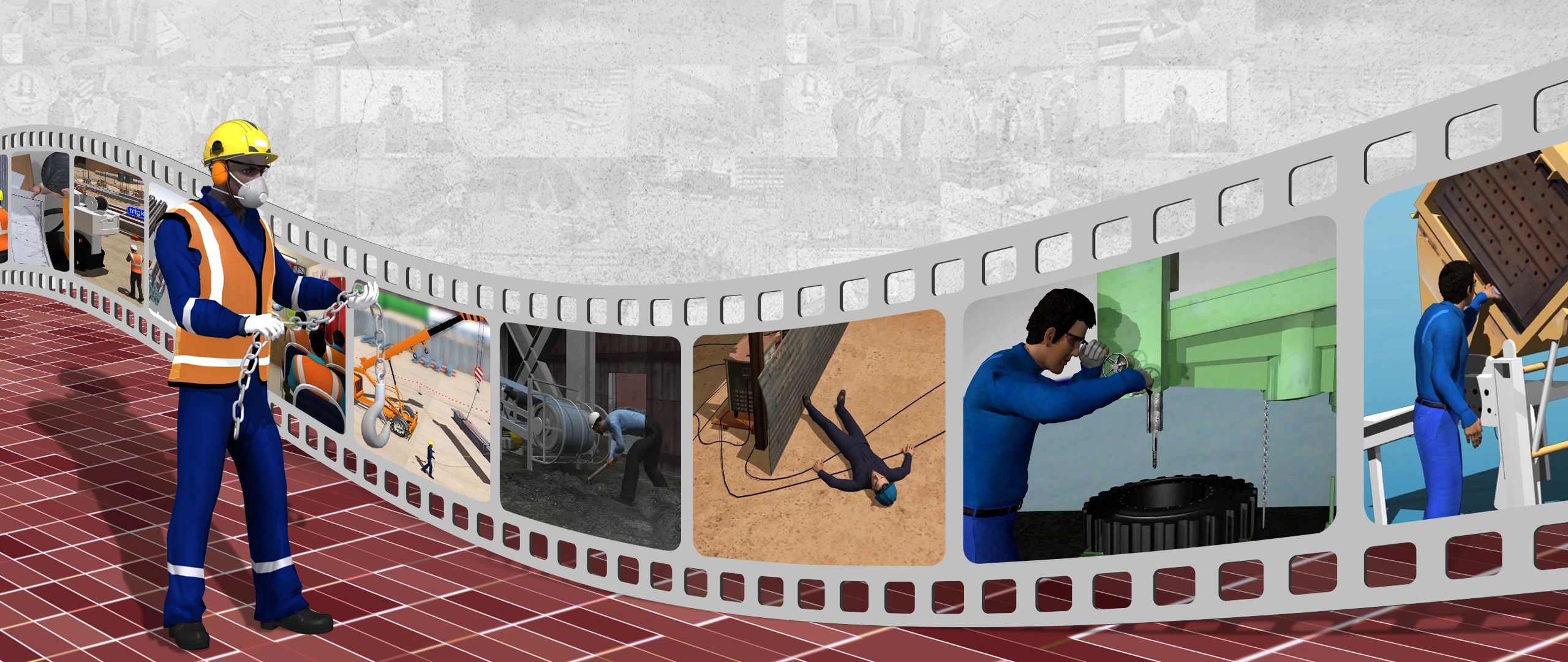
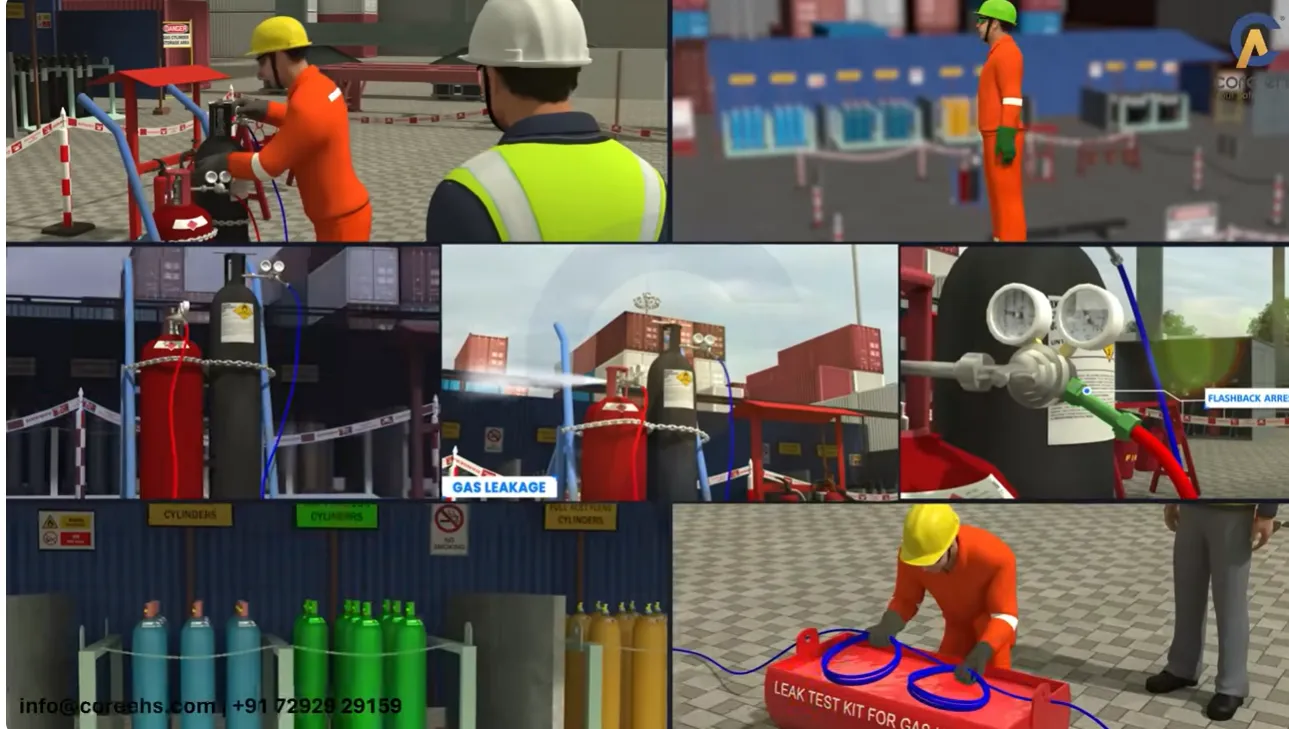
Many organizations now use 3D animated safety videos to help employees understand electrical hazards more effectively. Instead of simply explaining risks through presentations or toolbox talks, animations visually demonstrate how incidents occur, how electrical current travels, what happens when water comes into contact with electrical systems, and the consequences of unsafe actions.
By showing realistic scenarios, potential hazards, and their outcomes, organizations can improve awareness, strengthen hazard recognition, and help employees make safer decisions in the workplace.
When people can clearly see the risk, they are far more likely to recognize and avoid it.
7. Report and Track Electrical Hazards Promptly
The faster teams report hazards, the faster corrective action can begin.
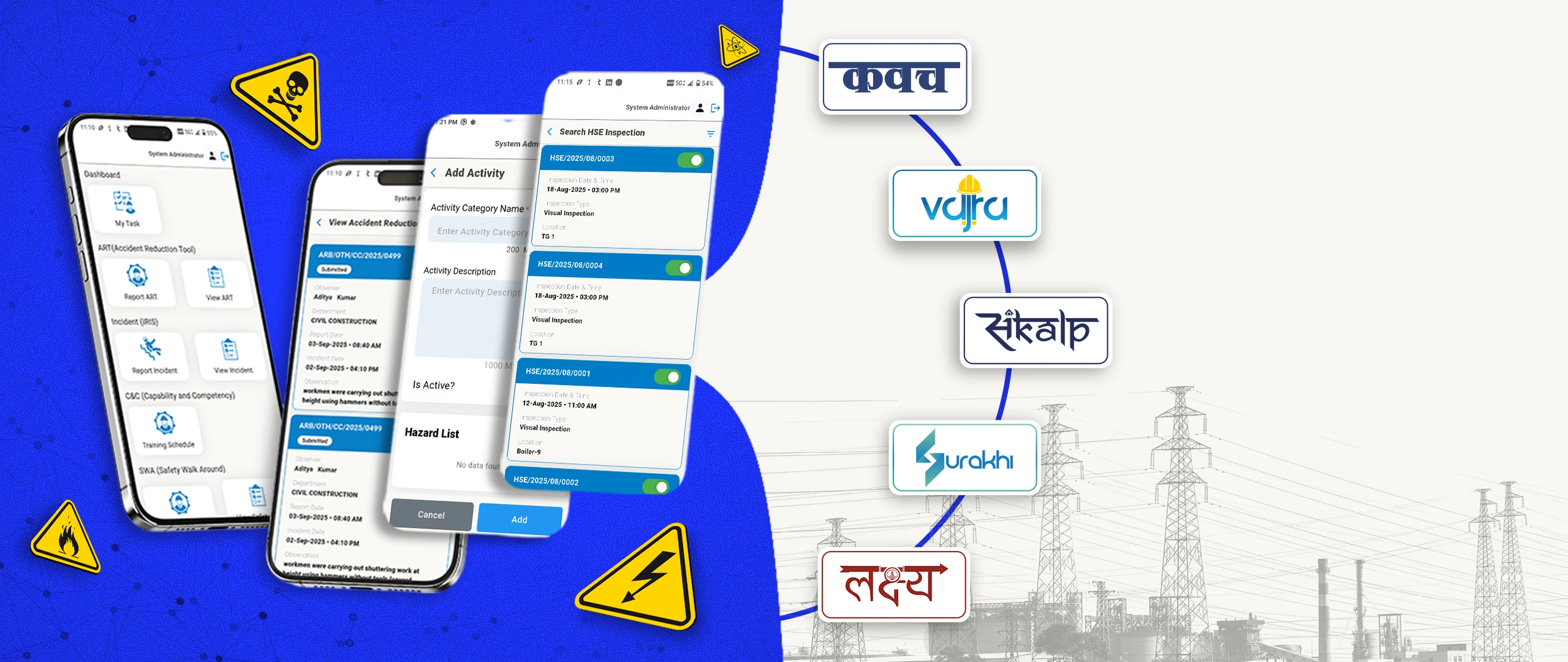
Many organizations now use digital hazard reporting systems to capture photographs, assign corrective actions, notify responsible personnel, and track closure status in real time. This helps ensure that electrical hazards don’t remain unresolved while conditions continue to deteriorate.
A proactive approach to electrical safety during monsoon doesn’t just prevent incidents. It protects people, equipment, productivity, and business continuity.
Conclusion
Electrical hazards don’t become dangerous when the rain starts.
They become dangerous when organizations ignore the small warning signs that rain and moisture expose.
A leaking roof above an electrical panel, damaged cable insulation, temporary wiring, poor earthing, or waterlogged electrical areas may not seem urgent on a dry day. During monsoon, however, these conditions can quickly escalate into electric shocks, equipment failures, production downtime, and even workplace fires.
The good news is that most of these incidents are preventable.
By conducting regular inspections, maintaining electrical systems, training employees to recognize hazards, and encouraging early reporting of unsafe conditions, organizations can significantly reduce electrical risks during the rainy season.
Remember, electrical safety during monsoon is not about reacting to incidents. It’s about identifying vulnerabilities before they become emergencies.
Strengthen Your Electrical Safety Preparedness with CORE-EHS
Monsoon preparedness requires more than inspections and checklists. It requires awareness, visibility, training, and proactive risk management.
At CORE-EHS, we help organizations strengthen electrical safety and workplace preparedness through:
✔ Electrical Safety Training Programs
✔ 3D Animated Electrical Safety Videos
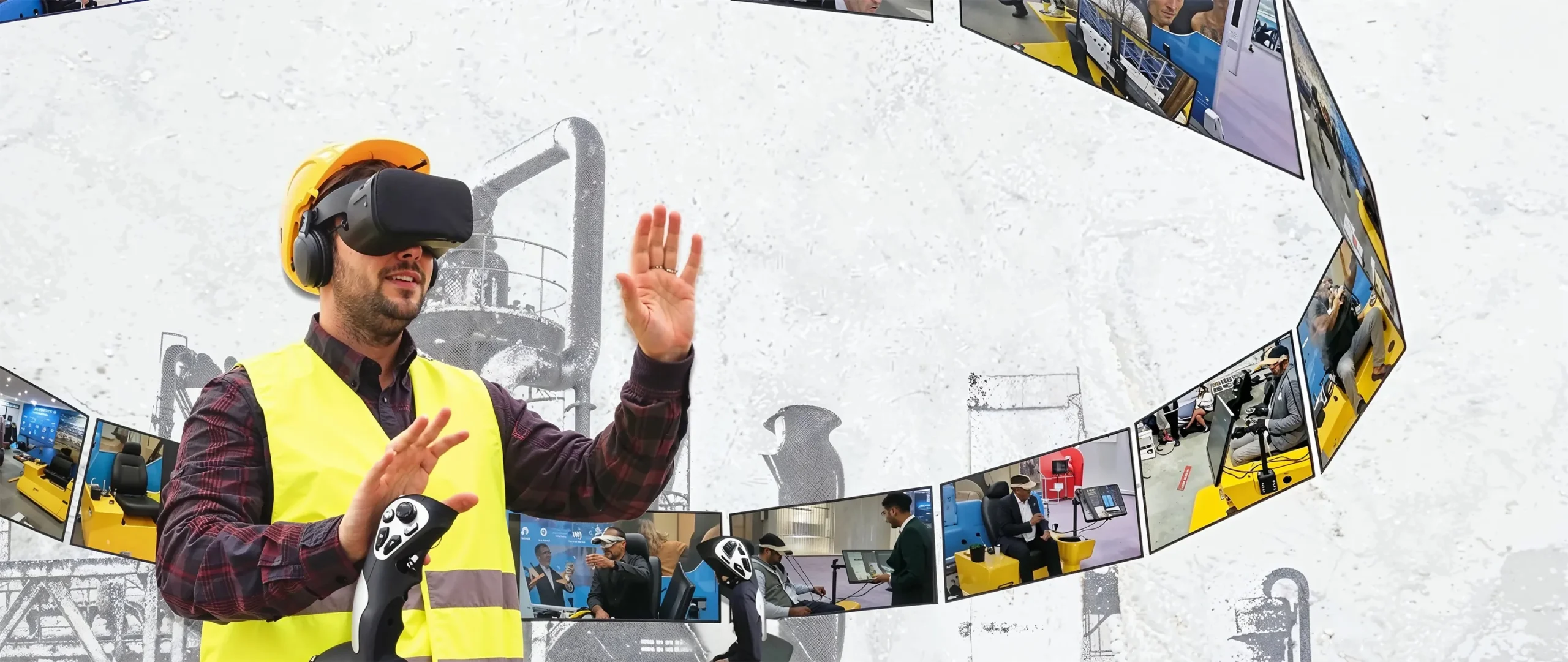
✔ VR-Based Safety Training Solutions
✔ Hazard Reporting & Incident Management Software
✔ EHS Audits, Assessments & Advisory Services
✔ Digital Safety Learning & Safety eLearning Solutions
Whether you’re looking to improve hazard awareness, strengthen reporting culture, train employees on electrical risks, or digitize workplace safety processes, our team can help.
Don’t wait for the next downpour to expose hidden electrical hazards.
Connect with CORE-EHS today and build a safer, smarter, and more resilient workplace this monsoon season.