A work at height permit is a critical safety control used to prevent falls and serious injuries in industries like construction, oil & gas, and manufacturing. Without proper planning and authorisation, even routine tasks at height can quickly become high-risk.
A structured height work permit system ensures hazards are identified, safety measures are in place, and work is carried out under proper supervision. It strengthens compliance with global safety standards and protects workers on-site.

In this guide, you will learn when a working at height permit is required, key components, and how digital systems improve safety and compliance.
What is a Work at Height Permit?
A work at height permit is a formal authorisation issued before performing tasks at elevated levels where there is a risk of falling. It ensures hazards are identified, control measures are implemented, and work is carried out safely under supervision.
In a structured permit to work for height system, the permit acts as a control document that defines the job scope, risks, safety precautions, and responsible personnel before work begins.
When is a Work at Height Safety Permit Required?
A Height Work Permit is required whenever there is a risk of falling or working at an elevated level that can cause injury. It applies to both routine and non-routine tasks where proper safety controls must be ensured.
A permit is typically required in the following situations:
- Working on scaffolding above defined safe height limits
- Roof inspection, repair, or maintenance activities
- Tower climbing in the telecom and utility sectors
- Steel structure erection in construction projects
- Maintenance work on tanks, silos, or elevated platforms
- Using mobile elevated work platforms (MEWPs)
- Any task requiring fall protection systems, like harnesses or lifelines
Real Scenario:
A technician performing maintenance on an elevated pipeline without a permit may skip critical checks like anchor point verification or equipment inspection, significantly increasing the risk of a fall incident.
- Ensure every high-risk activity at height is properly assessed and authorised before work begins.
Types of Work Requiring Work at Height Permits
A Height Work Permit applies to multiple industrial activities where there is a risk of falling. Presenting this in a table format makes it easier to understand and scan.
| Activity Type | Examples | Risk Involved |
| Equipment Work | Installation and maintenance of machinery at height | Fall from elevated platforms |
| Construction Activities | Structural erection, repair, and scaffolding work | Unstable surfaces, edge falls |
| Cleaning & Painting | Building facade cleaning, coating, and painting | Slippery surfaces, poor footing |
| Inspection Tasks | Audits, surveys, and structural inspections | Limited access, unsafe positioning |
| Utility & Outdoor Work | Tree trimming, electrical line work | Height exposure, environmental risks |
These activities involve dynamic risks such as unstable surfaces, limited access, and changing site conditions, making a structured permit system essential for safe execution.
Why Height Work Permit is Critical for Safety & Compliance
A Height Work Permit plays a main role in preventing serious injuries and fatalities caused by falls. Across industries like construction, oil & gas, and infrastructure, working at height remains one of the highest-risk activities.
Without a proper permit system, tasks are often carried out without hazard assessment, increasing the chances of unsafe conditions, equipment failure, and human error.
Key reasons why a permit is critical:
- Ensures hazards are identified before work begins
- Defines clear safety controls like fall protection systems
- Assigns responsibility and accountability
- Reduces the chances of unauthorised or unsafe work
- Improves compliance during audits and inspections
Real Insight:
Many fall-related accidents happen because permits are skipped or risks are not properly checked before starting the job.
Using a proper permit system helps you prevent accidents and keep your workers safe.
Key Components of a Working at Height Permit
A well-designed work at height permit captures all the essential details needed to control risks and execute the job safely.
Key information typically included in a permit:
- Work schedule: Date and expected duration of the task
- Work location: Exact area where the activity will be performed
- Job responsibility: Supervisor or competent person in charge
- Scope of work: Clear description of the activity being carried out
- Risk identification: Potential hazards linked to the task
- Safety requirements: PPE and protective systems required
- Authorisation details: Permit issuer and approver information
- Pre-job readiness check: Confirmation that all conditions are safe to start
- Fall protection setup: Harnesses, lifelines, guardrails, or safety nets
- Emergency preparedness: Rescue procedures and response plan
- Post-work verification: Final inspection after task completion
- Closure process: Proper handover and permit cancellation steps
Including these details ensures the job is planned, controlled, and executed with full safety oversight, reducing risks and improving compliance across operations.
Step-by-Step Work at Height Safety Permit Process

A structured Work at Height Approval process ensures that every task is properly planned, reviewed, and executed with full safety control. Following a clear process helps reduce errors and ensure compliance across teams.
Here is a practical step-by-step approach:
- Define the work scope: Clearly understand the task, location, and duration
- Conduct risk assessment: Identify hazards such as fall risks, unstable surfaces, or weather conditions
- Plan safety measures: Decide required controls like guardrails, lifelines, PPE, and access systems
- Inspect equipment: Check scaffolding, ladders, harnesses, and tools before use
- Issue the permit: Authorised personnel review and approve the permit before work begins
- Execute under supervision: Ensure the job is carried out as per approved safety conditions
- Monitor site conditions: Continuously assess risks during the job, especially if conditions change
- Close the permit: After completion, verify the work area is safe and formally close the permit
Following this process ensures consistency, accountability, and safer execution of all work at height activities.
Digital Permit for Working at Height (Modern Approach)
Traditional paper-based permits often lead to delays, incomplete checks, and poor traceability. A digital permit to work system modernises how Height Access Permits are created, approved, and tracked across sites.
Key benefits of going digital:
- Faster approvals: Real-time issuance and multi-level approvals from mobile or desktop
- Standardised workflows: Built-in templates ensure every permit follows the same safety steps
- Integrated risk assessment: Link hazards, controls, and PPE directly to the permit
- Audit-ready records: Automatic logs, timestamps, and document storage for compliance
- Field mobility: Supervisors and workers can access permits on-site via mobile devices
- Better visibility: Dashboards to track active permits, expiries, and high-risk activities
Practical Use Case:
On a large construction site, supervisors can issue and approve permits instantly, verify checklists on mobile, and monitor multiple height work activities without paperwork delays.
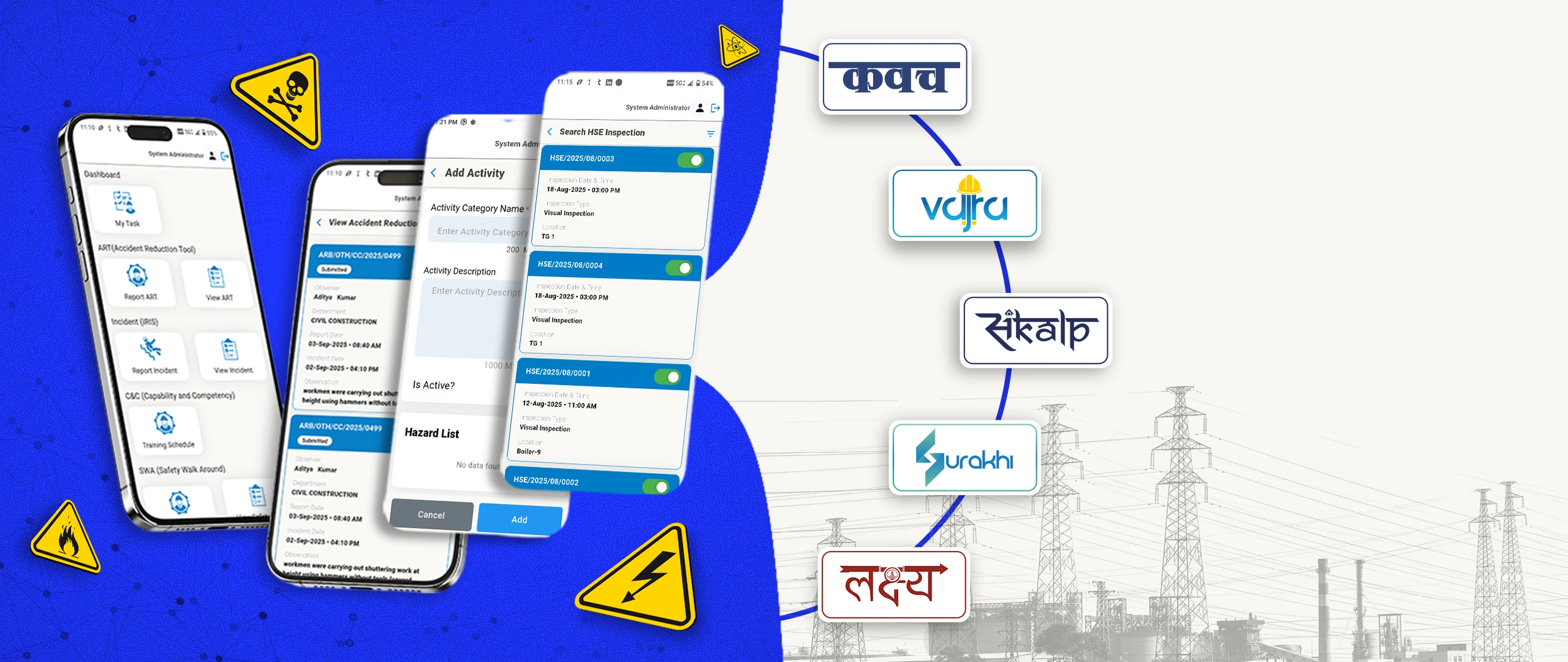
Platforms like CORE-EHS help organisations streamline Height Work clearance, reduce manual errors, and improve safety performance without increasing administrative effort.
Next, we will look at common mistakes to avoid in work at height permits.
Conclusion
A Work at Height Permit Software is a critical tool for managing risks, ensuring compliance, and protecting workers involved in high-risk activities. From planning and authorisation to execution and closure, a structured permit system helps organisations maintain control over every stage of work at height.
By implementing standardised processes and moving to an electronic permit to work (ePTW) system, companies can reduce incidents, improve audit readiness, and strengthen overall safety performance with real-time visibility and control.
If you are looking to improve your working at height permit system and streamline safety operations, adopting an ePTW approach is the next step toward operational excellence.
Request a demo or connect with a safety expert to see how CORE-EHS ePTW system can help you digitise permits, reduce risks, and improve workplace safety outcomes.