
 +91 72929 29159













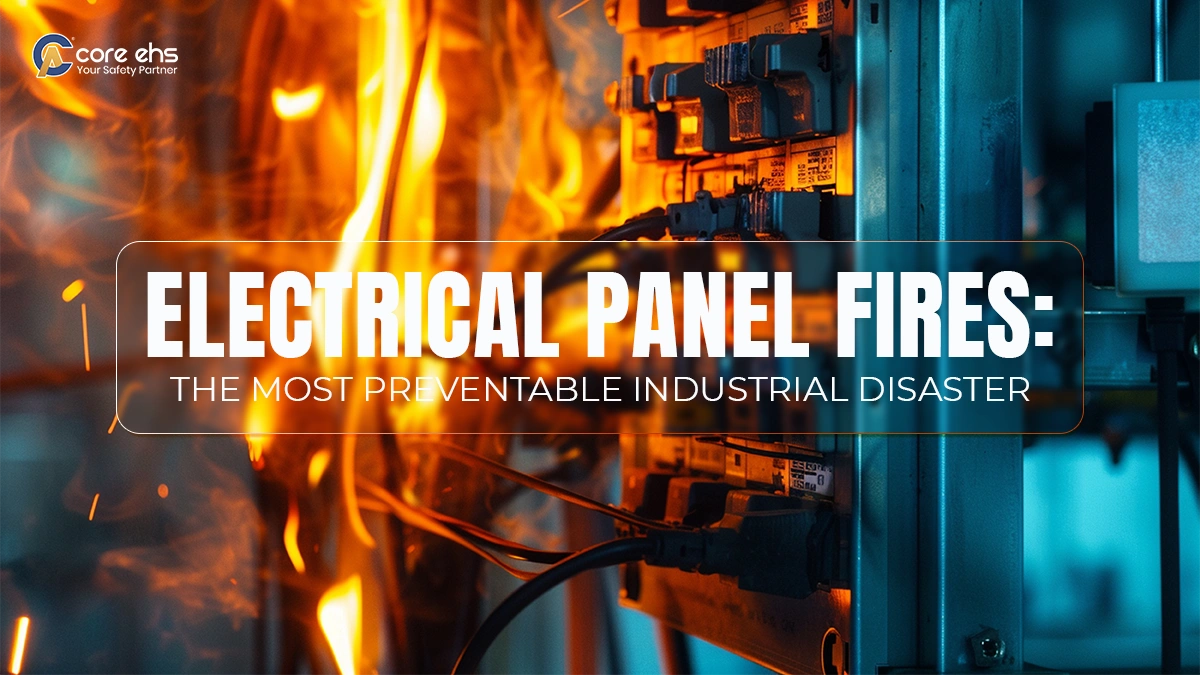
It didn’t start with flames.
It started with a faint burning smell, easy to ignore in a busy industrial environment.
Someone noticed it. No one acted.
Hours later, the electrical panel overheated. Insulation failed. A spark formed. And within minutes, a small fault turned into a fire that shut down operations.
This is how most electrical panel fires begin.
Not suddenly. Not dramatically.
But gradually and often with clear warning signs.
Across industries, electrical panel fires remain one of the most preventable incidents. Yet they continue to occur due to delayed detection, overlooked risks, and lack of continuous monitoring.
According to global safety data and fire safety reports, electrical faults are a leading cause of industrial fires, often linked to overheating, poor maintenance, and system overloads.
This blog explores:
- The root causes of electrical panel fires
- Early warning signs you should never ignore
- How these fires actually develop
- Practical fire prevention safety tips
- The role of smart monitoring in modern fire safety and training systems
Because effective fire safety is not just about response – it is about prevention.
Why Electrical Panel Fires Are a Major Industrial Risk
Electrical panels are the control centres of industrial operations.
They handle:
- High electrical loads
- Continuous power distribution
- Critical system operations
This makes them highly vulnerable to:
- Heat buildup
- Fault accumulation
- Component failure
Unlike visible hazards, electrical risks remain hidden – until they escalate.
In many cases, fires originate inside panels where early detection is difficult without proper systems.
This is why electrical panel fires are not just common – they are often underestimated in fire and life safety planning.
Root Causes of Electrical Panel Fires
1. Overloading of Circuits
When electrical demand exceeds capacity, components heat up.
This leads to:
- Insulation breakdown
- Increased resistance
- Fire risk
Overloading is one of the most frequent causes of electrical fires.
2. Loose Electrical Connections
Loose terminals create resistance points.
This results in:
- Heat generation
- Arcing
- Sparks
Over time, these small issues can ignite surrounding materials.
3. Poor Maintenance Practices
Lack of routine fire safety inspections and electrical checks leads to:
- Undetected faults
- Worn-out components
- Accumulated risks
Regular inspection is essential for preventing escalation.
4. Dust and Contamination
Dust inside panels acts as fuel.
Combined with heat or sparks, it can ignite easily – especially in industrial environments.
5. Aging Infrastructure
Old wiring and outdated panels:
- Lose insulation strength
- Become less efficient
- Increase fire risk
Aging systems are often overlooked until failure occurs.
Early Warning Signs You Should Never Ignore
Electrical fires rarely occur without warning.
Common indicators include:
- Burning smell near panels
- Unusual heat from equipment
- Frequent circuit breaker tripping
- Discoloration or charring
- Sparks or unusual sounds
These are critical warning signs – not minor issues.
Recognizing them early is a key part of effective fire safety training and awareness.
How Electrical Panel Fires Actually Start
The process is gradual:
- Electrical fault develops
- Resistance increases
- Heat builds up
- Insulation weakens
- Sparks or arcing occur
- Nearby materials ignite
Once ignition happens, the fire can spread rapidly within enclosed spaces.
Understanding this sequence helps teams respond early and apply effective fire prevention safety tips.
Practical Fire Prevention Safety Tips
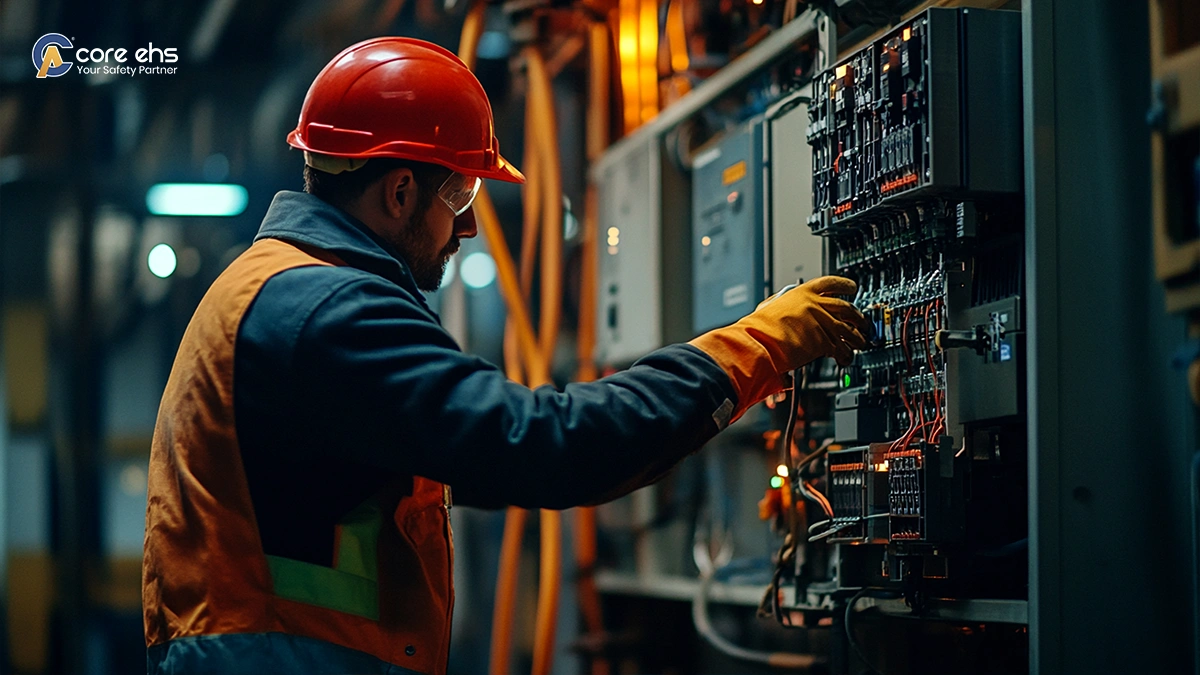
To reduce electrical fire risks:
- Conduct regular fire safety inspections
- Avoid overloading circuits
- Tighten and inspect connections
- Keep panels clean and dust-free
- Replace aging components
- Ensure proper ventilation
These simple steps significantly improve fire safety and operational reliability.
The Role of Smart Monitoring and IoT in Fire Prevention
Traditional inspections are periodic.
But electrical risks develop continuously.
This is where modern digital solutions enhance fire and safety services.
Real-Time Monitoring
IoT sensors track:
- Temperature
- Load conditions
- Fault patterns
Early Alerts
Systems notify teams when:
- Temperature rises abnormally
- Load exceeds safe limits
- Faults are detected
Predictive Safety
Instead of reacting after failure, organisations can:
- Detect risks early
- Act before ignition
- Prevent downtime
Solutions like smart monitoring systems help strengthen fire safety equipment effectiveness by enabling proactive action.
Why Traditional Fire Safety Approaches Are Not Enough
Manual inspection alone cannot:
- Detect real-time risks
- Track continuous changes
- Prevent sudden escalation
Modern fire safety and training strategies must include:
- Technology
- Data-driven insights
- Continuous monitoring
Building a Strong Electrical Fire Safety System
Effective fire prevention requires a combination of:
- Regular inspections
- Skilled workforce
- Practical fire safety training
- Advanced monitoring systems
Organisations that invest in these areas reduce both risk and downtime.
Conclusion
Electrical fires don’t happen instantly – they develop over time.
The key is detecting risks early and acting before escalation.
At CORE-EHS, we help organisations strengthen fire safety and training systems through:
- Fire risk assessments
- Smart monitoring solutions
- Practical fire safety training
- Comprehensive fire and safety services
Build systems that prevent incidents – not just respond to them.
Connect with us to explore smarter fire safety solutions.