 +91 72929 29159














Road safety measures are essential practices that help protect everyone on the road—from pedestrians and cyclists to two-wheeler riders and heavy vehicle drivers.
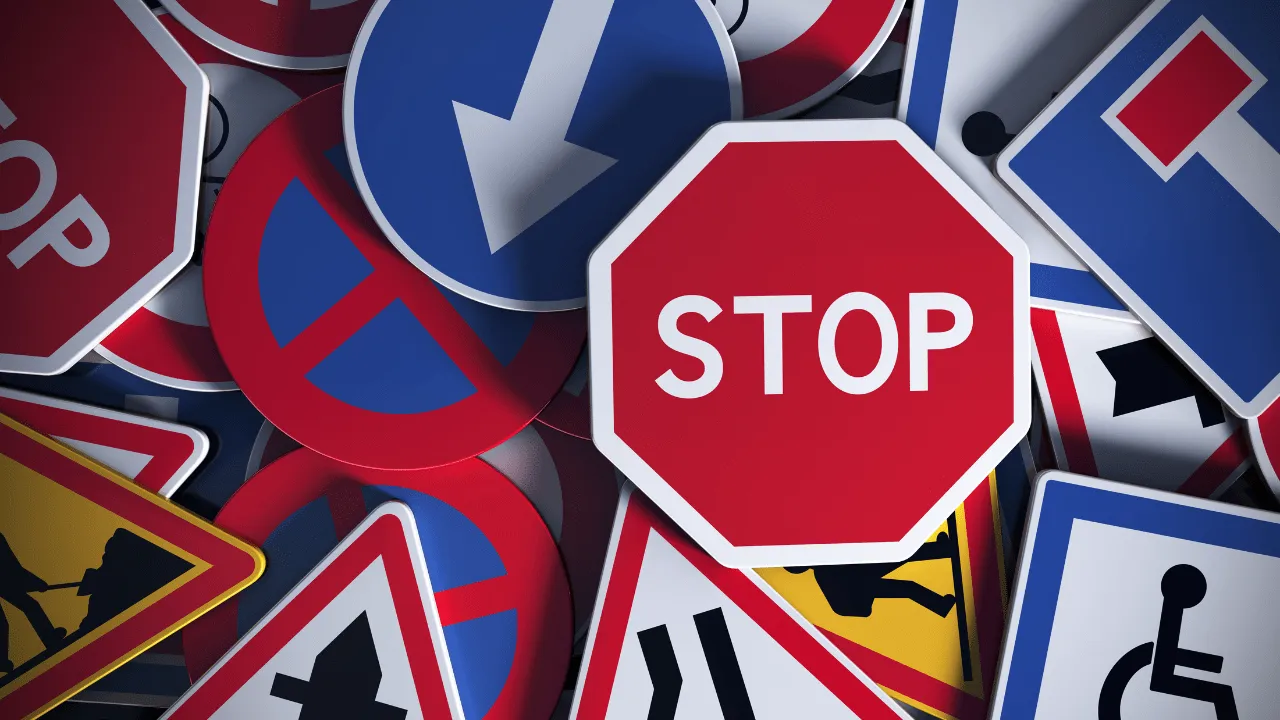
As traffic increases in modern cities, so does the risk of road accidents. This guide outlines key road safety measures, drawing from safety training topics, industrial safety practices, and Job Safety Analysis (JSA), to create a safer road environment for all.
Understanding the Importance of Road Safety Measures
Before diving into specific measures, it’s crucial to understand the significance of road safety. Every year, millions of people are affected by road accidents, many of which result in serious injuries or fatalities. Road safety is not only a personal responsibility but also a collective one. By adhering to safety measures, we can significantly reduce accidents and create a more secure environment for all road users.
Safety Training: The Foundation of Road Safety
Safety training is essential for all road users. It provides the necessary knowledge and skills to navigate the roads safely. Topics such as defensive driving, first aid, and emergency response should be included in safety training programs. Furthermore, understanding the basics of ‘safety in industries’ can help commercial drivers, especially those operating heavy vehicles, to apply industrial safety principles on the road.
Implementing JSA in Safety on the Road
Job Safety Analysis (JSA) isn’t just for the workplace. Applied on roads, JSA helps
-
Identify potential road hazards
-
Determine preventive actions
-
Enhance situational awareness
By analyzing potential risks and planning accordingly, road safety measures based on JSA reduce incidents and ensure safe travel. For example, delivery drivers can apply JSA by evaluating the safest parking areas, potential blind spots, or navigating through high-risk intersections. Regular road hazard assessments can be integrated into route planning for logistics and transportation companies.
Safety Measures for Pedestrians
- Stay Visible at All Times
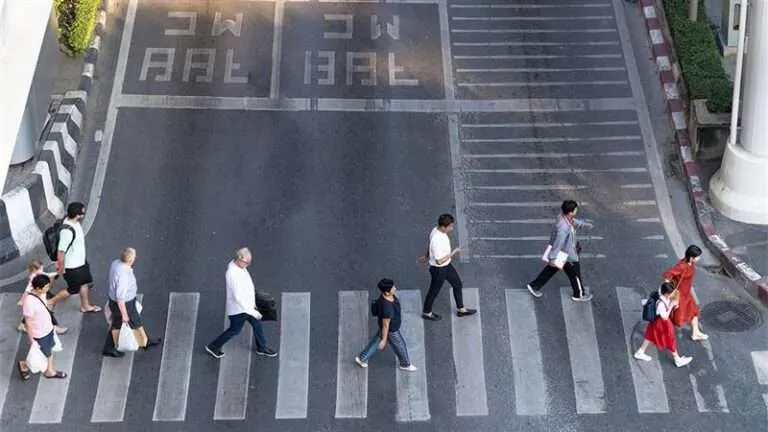
Wear bright or reflective clothing, especially at night or in poor weather conditions, to ensure you are visible to drivers.
- Follow Traffic Signals and Crosswalks
Always use designated crosswalks and obey pedestrian signals. Avoid jaywalking, as it increases the risk of accidents.
- Stay Alert and Avoid Distractions
Avoid using mobile phones or headphones while crossing the street. Your full attention should be on the road and the vehicles around you.
- Wear Protective Gear
Always wear a helmet, gloves, and other protective equipment. They can significantly reduce the severity of injuries in case of an accident.
- Maintain Safe Distances
Keep a safe distance from other vehicles, especially in heavy traffic. This gives you more time to react in case of sudden stops.
- Be Mindful of Road Conditions
Always be cautious of road conditions, including wet or slippery surfaces, which can increase the risk of accidents.
Safety Measures for Two-Wheeler Drivers
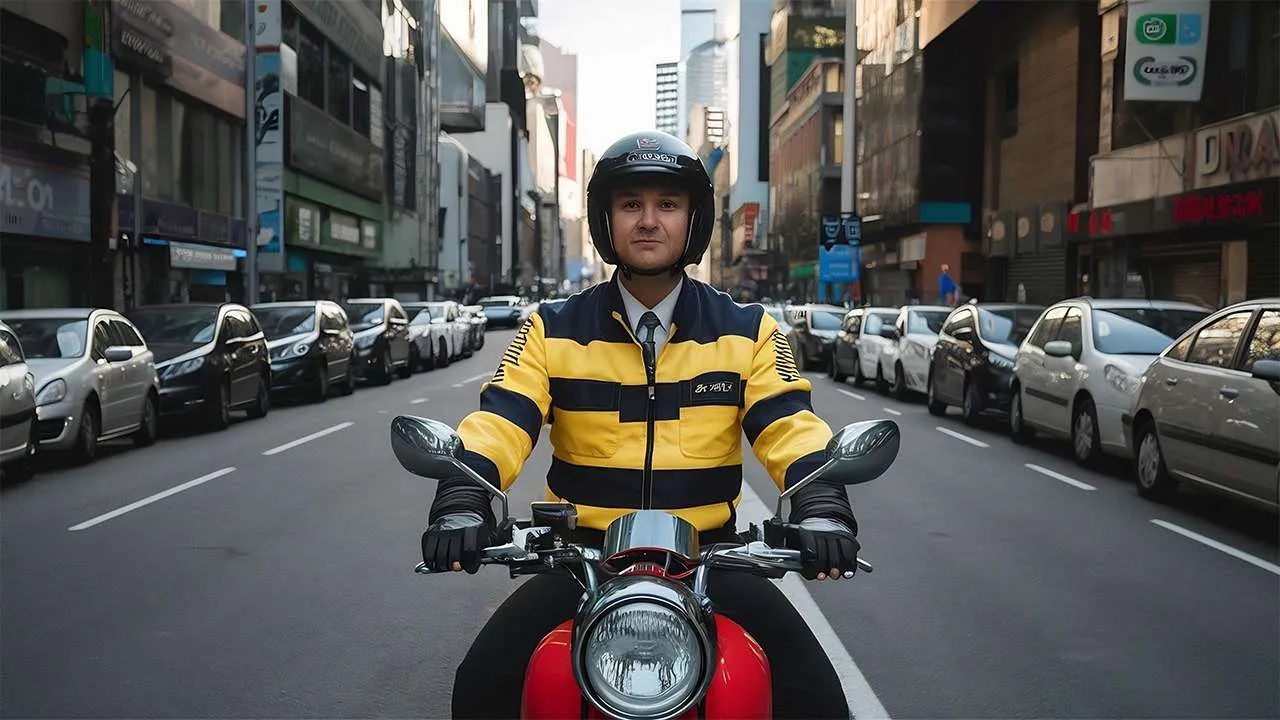
- Regular Vehicle Maintenance
Ensure that your vehicle is in good condition by regularly checking brakes, tires, lights, and other critical components.
- Avoid Distractions
Do not use your phone, eat, or engage in any activity that could divert your attention from the road while driving.
- Practice Defensive Driving
Be aware of the actions of other drivers and anticipate potential problems. Always have an escape plan in mind in case you need to avoid a sudden hazard.
Safety Measures for Car Drivers
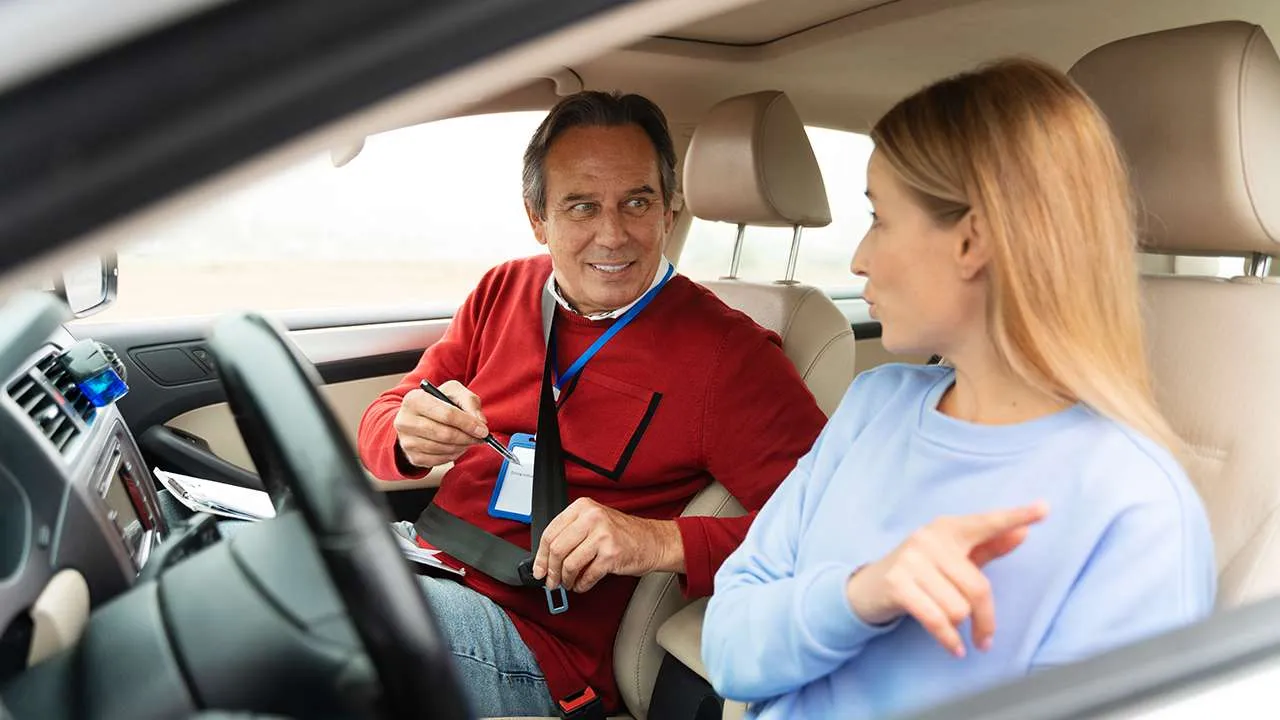
- Understand the Vehicle’s Limitations
Be aware of your vehicle’s size and weight, especially when making turns or braking. Heavier vehicles take longer to stop.
- Secure Your Load
Ensure that your cargo is properly secured to prevent it from shifting or falling off, which could cause accidents or road obstructions.
- Take Regular Breaks
Long hours on the road can lead to fatigue. Taking regular breaks not only complies with driving regulations but also ensures that you remain alert while driving.
Conclusion: A Shared Responsibility
Following road safety measures protects lives, reduces injuries, and creates smoother traffic flow. Everyone—from pedestrians and cyclists to professional drivers—plays a role. Whether through awareness, training, or daily actions, these habits create safer roads.
Governments, employers, schools, and individuals must work together to promote a culture of road safety. Campaigns, safety drills, and education programs should be regular, engaging, and tailored to the audience. Connect with us & explore opportunities for strengthening your road safety initiatives.