Imagine handing someone a gas detector, a permit, a harness, and a confined space entry checklist.
Would that automatically make the job safe?
Not necessarily.
Safety equipment plays an important role in confined space work. Procedures matter. Permits matter. Monitoring matters.
But none of these controls are effective if workers don’t understand why they exist or how to use them correctly.
This is why confined space safety training remains one of the most important investments organizations can make in high-risk work environments.
Training helps workers identify hazards that aren’t visible, understand the consequences of unsafe decisions, respond appropriately to changing conditions, and follow critical safety procedures with confidence.
Because in confined space operations, knowing what to do can be just as important as having the right equipment.
In this guide, we’ll explore why confined space safety training matters, the risks it helps prevent, and how modern training methods are helping organizations prepare workers for high-risk confined space operations.
Why Confined Space Work Is Different from Other Workplace Tasks
Most workplace tasks allow workers a certain margin for error.
If a machine sounds unusual, workers may notice it before a failure occurs. If a walkway becomes slippery, the hazard is often visible. If weather conditions change, people can usually see the risk developing around them.
Confined spaces don’t always offer the same warning signs.
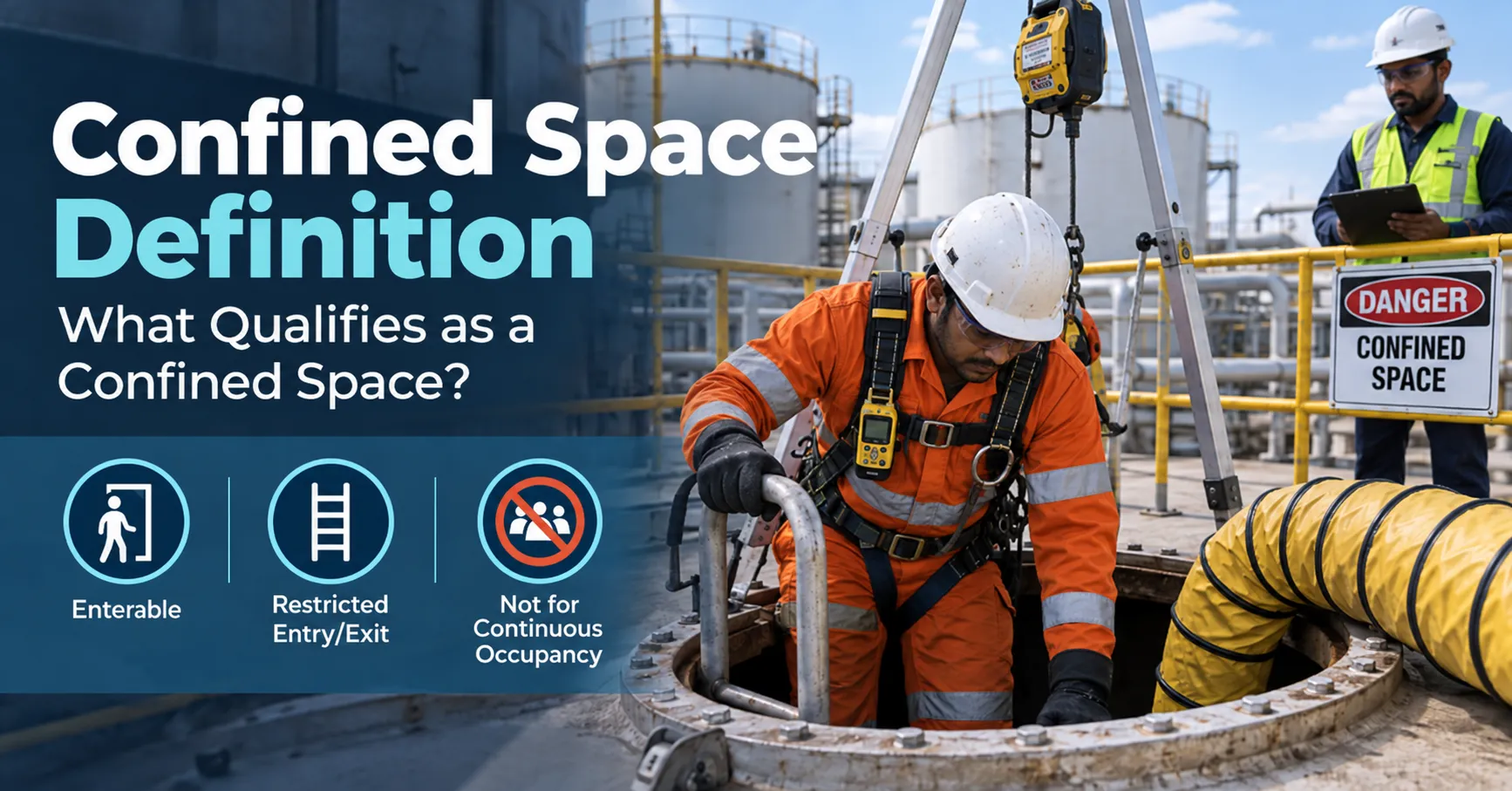
A worker may enter a tank, vessel, pit, or manhole that appears completely safe from the outside. Yet conditions inside can change rapidly due to oxygen deficiency, toxic gas accumulation, poor ventilation, or process-related hazards.
Confined spaces also present another challenge: limited entry and exit points.
If an emergency occurs, workers cannot always leave quickly. Rescue operations become more complex, response times become critical, and a situation that starts as a minor incident can escalate within minutes.
This is what makes confined space work different from many other workplace activities. Workers cannot rely solely on experience, instinct, or visual observations. They must rely on training, procedures, communication, and preparation.
The higher the risk, the more important training becomes.
Because in confined space operations, what workers know before entry often determines how safely they perform after entry.
What Happens When Confined Space Training Is Missing?

Most workers don’t intentionally take risks.
More often, incidents occur because people don’t fully understand the hazards they’re facing.
Without proper confined space safety training, workers may enter a space without recognizing the warning signs of oxygen deficiency, toxic gas accumulation, or changing atmospheric conditions. They may underestimate the importance of gas testing, skip critical verification steps, or assume that a space is safe because it was entered successfully before.
When training is missing, procedures can quickly become tick-box exercises.
Workers may complete permits without fully understanding the hazards they are designed to control. Gas detectors may be used without understanding what the readings mean. Emergency procedures may exist on paper but not in practice.

Training also becomes critical when something goes wrong.
In many confined space incidents, co-workers instinctively enter the space to help a colleague in distress. Without proper training, these rescue attempts can place additional workers at risk and turn a single incident into multiple casualties.
The purpose of confined space safety training is not simply to teach workers what to do. It helps them understand why each step matters and how quickly conditions can change inside a confined space.
When workers understand the risks, they make better decisions. And in high-risk environments, better decisions often prevent incidents before they happen.
7 Reasons Confined Space Safety Training Matters

Confined space safety training does more than help workers comply with procedures.
It helps them recognize hazards, make better decisions, and respond appropriately when conditions change.
Here are seven reasons why training remains one of the most important controls in confined space operations.
1. Training Helps Workers Recognize Hazards They Cannot See
Many confined space hazards are invisible.
Workers cannot see oxygen deficiency. They cannot always smell toxic gases. They may not realize atmospheric conditions have changed until it’s too late.
Training helps workers understand these hidden risks and reinforces the importance of testing, monitoring, and verification before entry.
2. Training Strengthens Hazard Recognition
Workers encounter countless situations during confined space work that require judgment and decision-making.
Effective training helps them identify unsafe conditions, recognize warning signs, and understand when work should stop until hazards are controlled.
3. Training Improves Permit-to-Work Compliance
A permit should never be treated as paperwork.
Training helps workers understand the purpose of the permit process, the controls it verifies, and the responsibilities of everyone involved in the entry operation.
When workers understand the “why,” compliance becomes much more meaningful.
4. Training Builds Confidence in Emergency Situations
Emergencies are stressful.
Without preparation, people often react instinctively rather than safely.
Training helps workers understand emergency procedures, communication protocols, evacuation requirements, and rescue arrangements before they face a real-world emergency.
5. Training Reduces Human Error
Many confined space incidents involve human decisions rather than equipment failures.
Training helps workers avoid shortcuts, challenge assumptions, follow procedures consistently, and make safer choices when conditions change.
6. Training Improves Team Communication
Confined space entry is rarely a one-person activity.
Entrants, attendants, supervisors, and rescue personnel all play important roles. Training helps everyone understand their responsibilities and improves communication throughout the operation.
7. Training Creates a Stronger Safety Culture
The best confined space safety programs don’t rely solely on rules.
They create a workforce that understands the risks, respects the hazards, and takes ownership of safety.
When workers understand the consequences of unsafe decisions, they are far more likely to follow procedures, report concerns, and look out for one another.
This is why confined space safety training remains one of the most effective investments organizations can make in high-risk work environments.
How Modern Training Methods Are Transforming Confined Space Safety
For many years, confined space safety training relied heavily on classroom presentations, manuals, and toolbox talks.
While these methods still have value, organizations are increasingly recognizing that some confined space hazards are difficult to understand through words alone.
After all, how do you explain oxygen deficiency, toxic gas exposure, or a confined space emergency to someone who has never experienced one?
This is where modern training methods are making a difference.
3D Animation Makes Invisible Hazards Visible
Many confined space hazards occur inside environments that workers cannot easily observe.
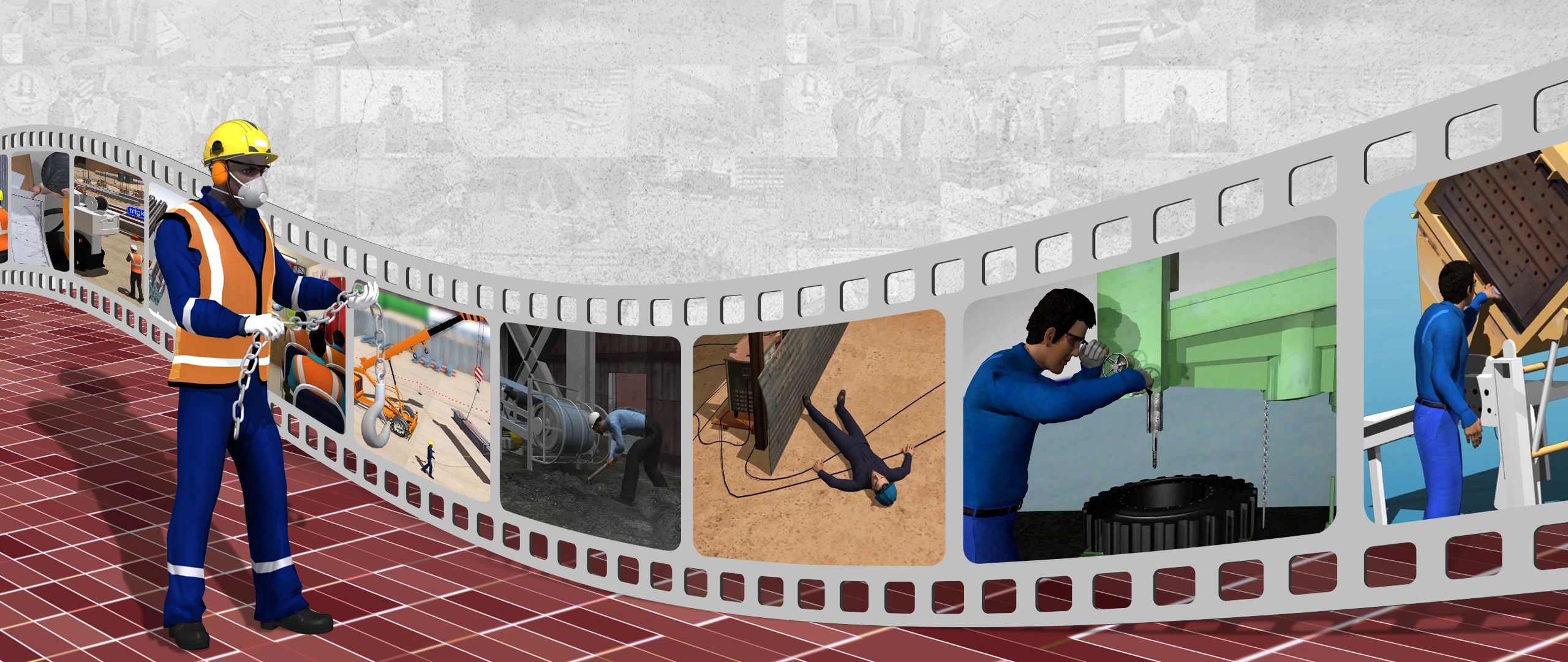
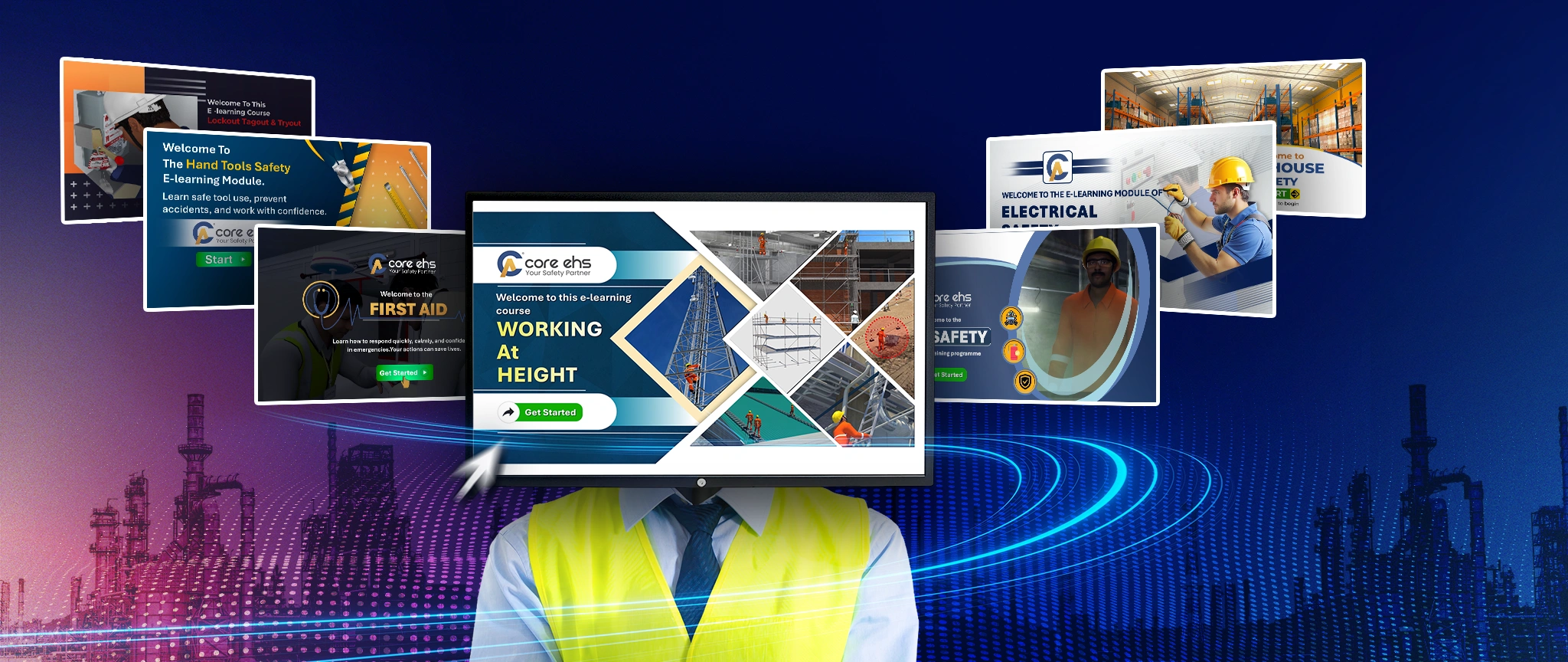
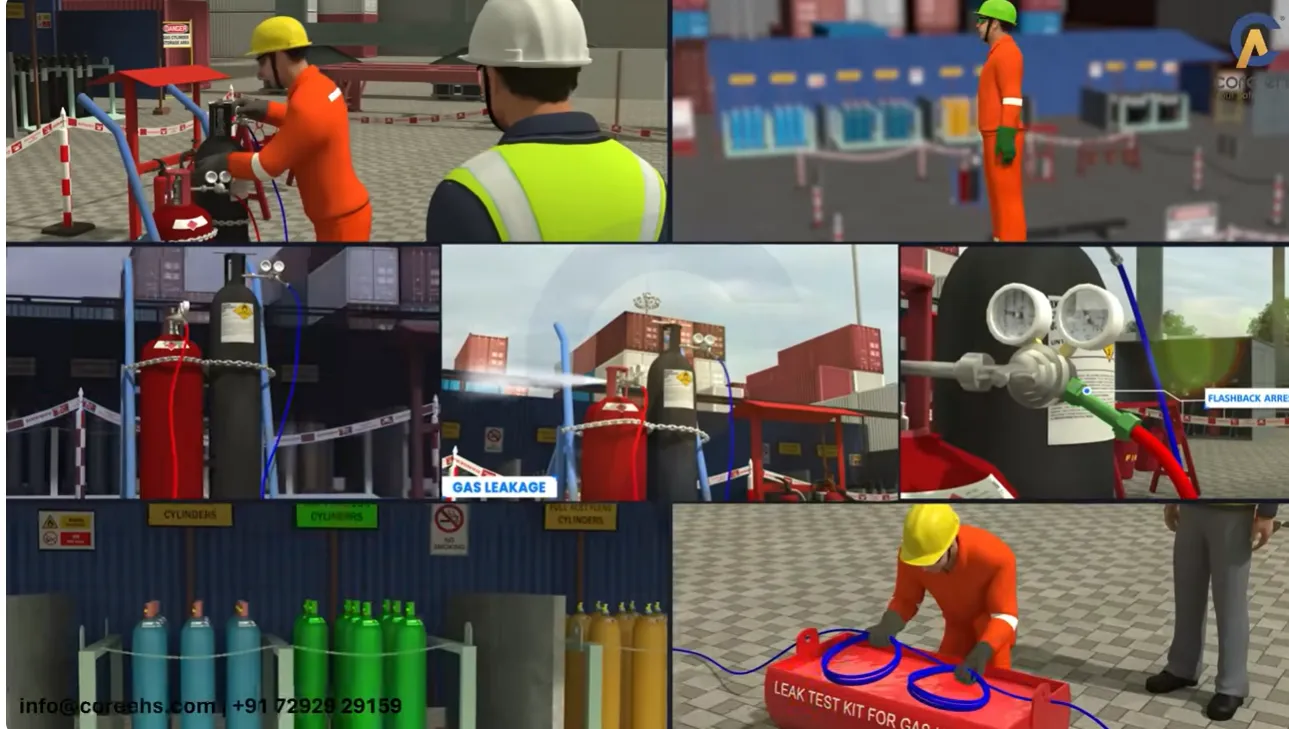
3D animated safety videos help organizations visually demonstrate atmospheric hazards, entry procedures, emergency situations, and the consequences of unsafe actions. By seeing realistic scenarios unfold, workers gain a clearer understanding of risks that are often difficult to explain through static presentations.
VR Training Allows Workers to Experience High-Risk Scenarios Safely
Some lessons are best learned through experience.
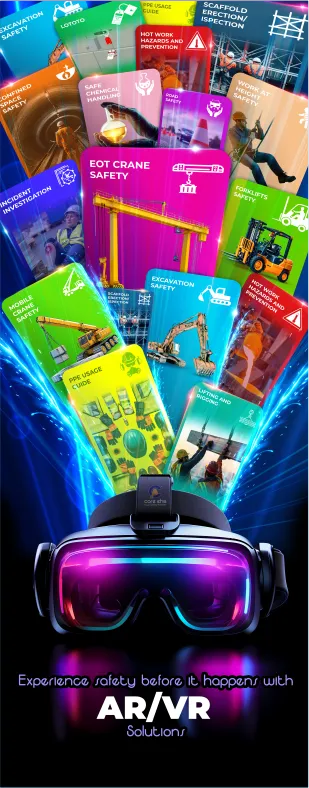
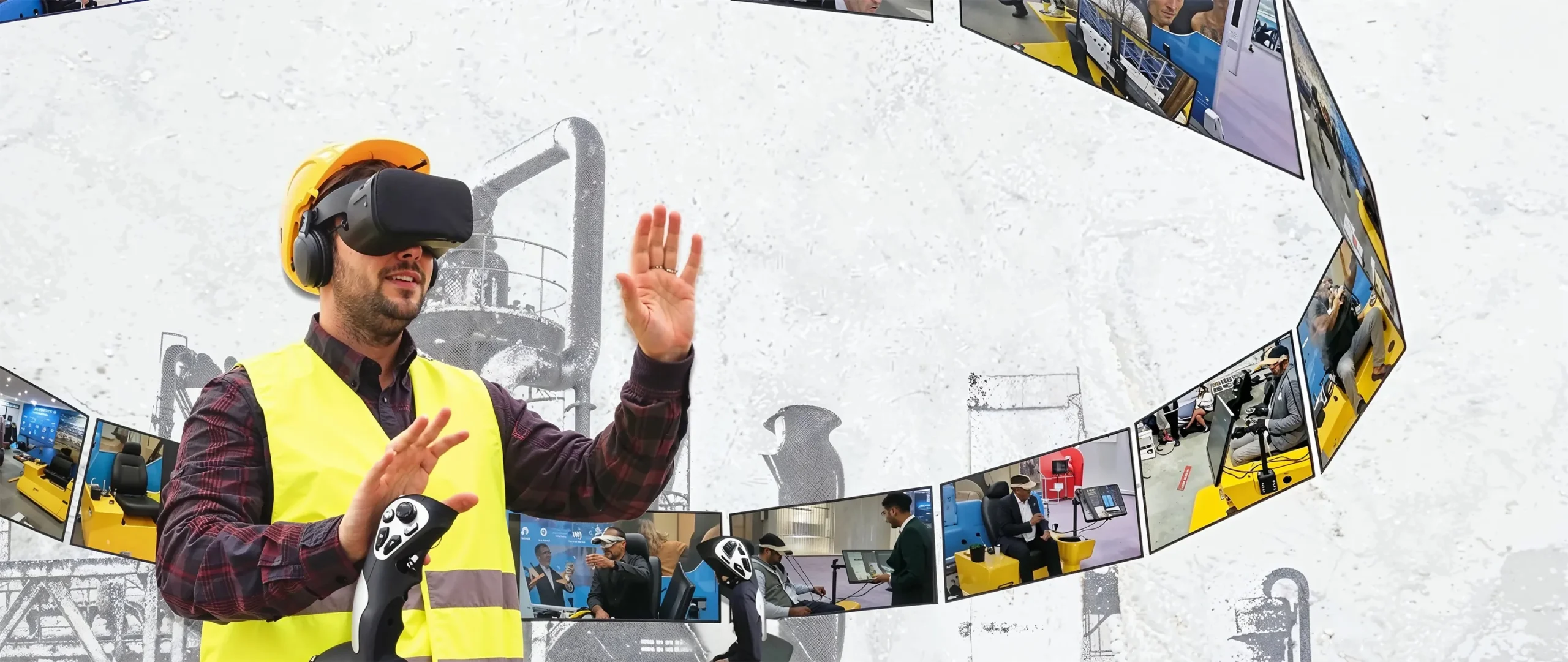
VR based confined space training places workers inside realistic environments where they can identify hazards, make decisions, follow entry procedures, and respond to simulated emergencies without exposing themselves to actual danger.
This immersive approach helps improve confidence, hazard recognition, and decision-making before workers enter a real confined space.
eLearning Keeps Knowledge Fresh
Training should not stop after a single session.
eLearning modules allow employees to revisit confined space procedures, refresh their knowledge, and stay updated on safety requirements at their own pace and convenience.
Regular refresher training helps reinforce critical concepts and reduces the likelihood of workers forgetting important safety controls over time.
IoT Technology Supports Workers During the Job
Training prepares workers before entry.
Technology can continue supporting them during the job itself.
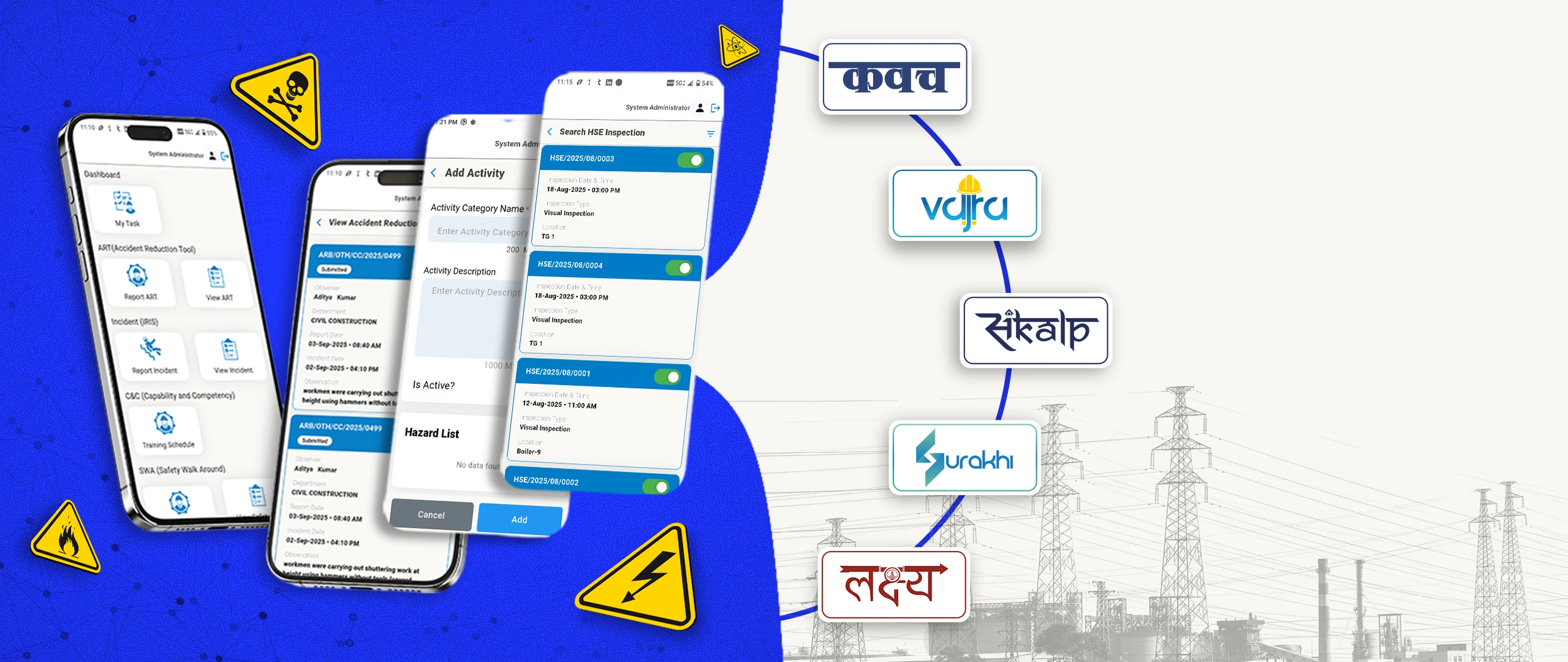
IoT enabled monitoring systems can track atmospheric conditions, identify abnormal readings, and generate alerts when conditions become unsafe. Real-time information helps teams respond faster, improve situational awareness, and take corrective action before a developing risk becomes an emergency.
The most effective confined space safety programs combine training, technology, and continuous awareness. Together, they help workers understand the risks before entry and respond more effectively when conditions change.
Conclusion
Confined space work will always involve risk.
What determines the outcome is how prepared workers are before they enter the space.
The most effective confined space safety programs don’t rely solely on permits, gas detectors, or safety equipment. They rely on people who understand the hazards, recognize warning signs, follow procedures, and know how to respond when conditions change.
This is where training makes the difference.
Training helps workers understand risks that aren’t visible. It reinforces critical procedures, improves decision-making, strengthens communication, and prepares teams for situations that demand quick and informed action.
As confined space operations become more complex, organizations are also adopting modern training methods such as 3D animation, VR simulations, eLearning platforms, and IoT-enabled monitoring systems to improve awareness and strengthen workplace safety.
Because when workers understand the risks before entry, they are far more likely to make safe decisions after entry.
And in confined space operations, those decisions can save lives.
Strengthen Your Confined Space Safety Training Program with CORE-EHS
Effective confined space safety requires more than a one-time training session.
It requires continuous learning, practical understanding, realistic simulations, and ongoing awareness.
At CORE-EHS, we help organizations strengthen confined space safety through:
- Confined Space Safety Training Programs
- 3D Animated Safety Videos
- VR-Based Safety Simulations
- eLearning & Refresher Training Modules
- IoT-Based Safety Monitoring Solutions
- Hazard Reporting & Incident Management Systems
- Safety Audits, Assessments & Advisory Services
Whether you’re looking to improve workforce competency, strengthen hazard awareness, enhance emergency preparedness, or modernize your safety training approach, our team can help.
The safest confined space workers aren’t the ones who enter most often.
They’re the ones who understand the risks before they enter.
Connect with CORE-EHS today and take the next step toward safer confined space operations.