VR Electrical Safety Training for Industrial and High-Voltage Environments 

Anand Sir 01-min Written by J K Anand
cal
Published on 17 March, 2026
VR Electrical Safety Training for Industrial

Introduction: The Rising Risk of Electrical Incidents in Industrial Environments 

Electrical incidents remain one of the leading causes of serious injuries in industrial and high-voltage environments. In power plants, substations, and manufacturing facilities, risks such as arc flash, electrical shock, and equipment failure can occur within seconds. 

VR Electrical Safety Training is changing how industrial electrical safety training is delivered. Instead of relying only on classroom theory, workers can now enter realistic virtual scenarios that improve electrical risk prevention and hazard recognition in a safe environment. 

Traditional training explains procedures, but it does not prepare workers for real-time pressure or unexpected failures. Virtual reality electrical safety training allows them to practice decision-making, emergency response, and live panel safety without real exposure. 

As global industries aim to reduce electrical accidents, practical and simulation-based training is becoming essential. 

Why Electrical Safety Training Is Critical in High-Voltage Industries 

High-voltage safety training is a critical requirement in every industrial facility. Electrical systems in plants and high-risk environments operate at energy levels that can cause severe burns, equipment explosions, and fatal injuries within seconds. 

Electrical hazard training helps workers recognize dangers before they turn into serious incidents. However, electrical accidents still happen due to poor hazard awareness, failure to follow procedures, or underestimating arc flash hazards. 

Common Causes of Electrical Accidents 

Most electrical incidents occur because of: 

  1. Poor hazard identification before starting work 
  2. Ignoring lockout tagout procedures 
  3. Working on energized equipment without a proper assessment 
  4. Lack of understanding of arc flash hazards 
  5. Inadequate electrical shock prevention measures 

High-Risk Areas in Industrial Facilities 

Electrical risks are higher in specific locations such as: 

  • Switchgear rooms where arc flash incidents can occur
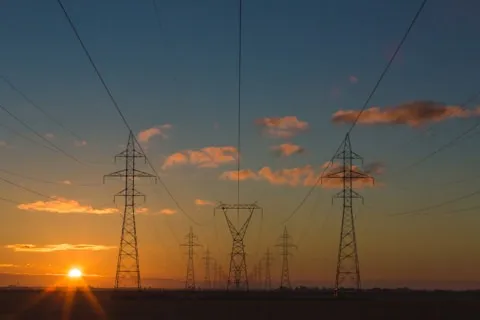
  • Substations handling high voltage equipment safety operations
  • Live electrical panels during maintenance or inspection
  • Transformer areas in power plants and heavy industries 

In power plants, a small mistake during maintenance can lead to a system shutdown or serious injury. In manufacturing facilities, improper isolation of equipment can expose workers to energized conductors. In oil and gas installations, electrical failures can escalate into fire or explosion hazards. 

How Does High Voltage Safety Training Reduce Electrical Accidents in Industrial Workplaces? 

Industrial electrical safety training must therefore go beyond theory. Workers need to clearly understand: 

  • How electrical shock prevention works in real situations
  • How to evaluate risks before touching live equipment
  • How to respond during an unexpected electrical failure
  • How to assess arc flash boundaries and PPE requirements 

Across global industries, compliance expectations are becoming stricter. Regulatory bodies and international safety standards require proper documentation, risk assessment, and structured high-voltage safety training programs. 

Strengthening electrical safety training is not only about meeting compliance requirements. It is about building a safety culture where workers can identify hazards early, take preventive action, and protect themselves and their teams from serious electrical risks. 

What Is VR Electrical Safety Training? 

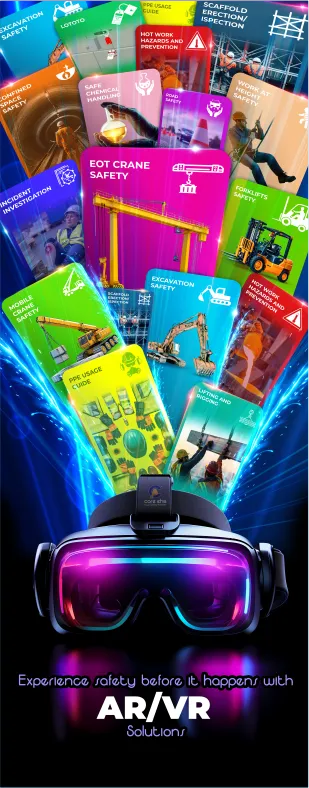
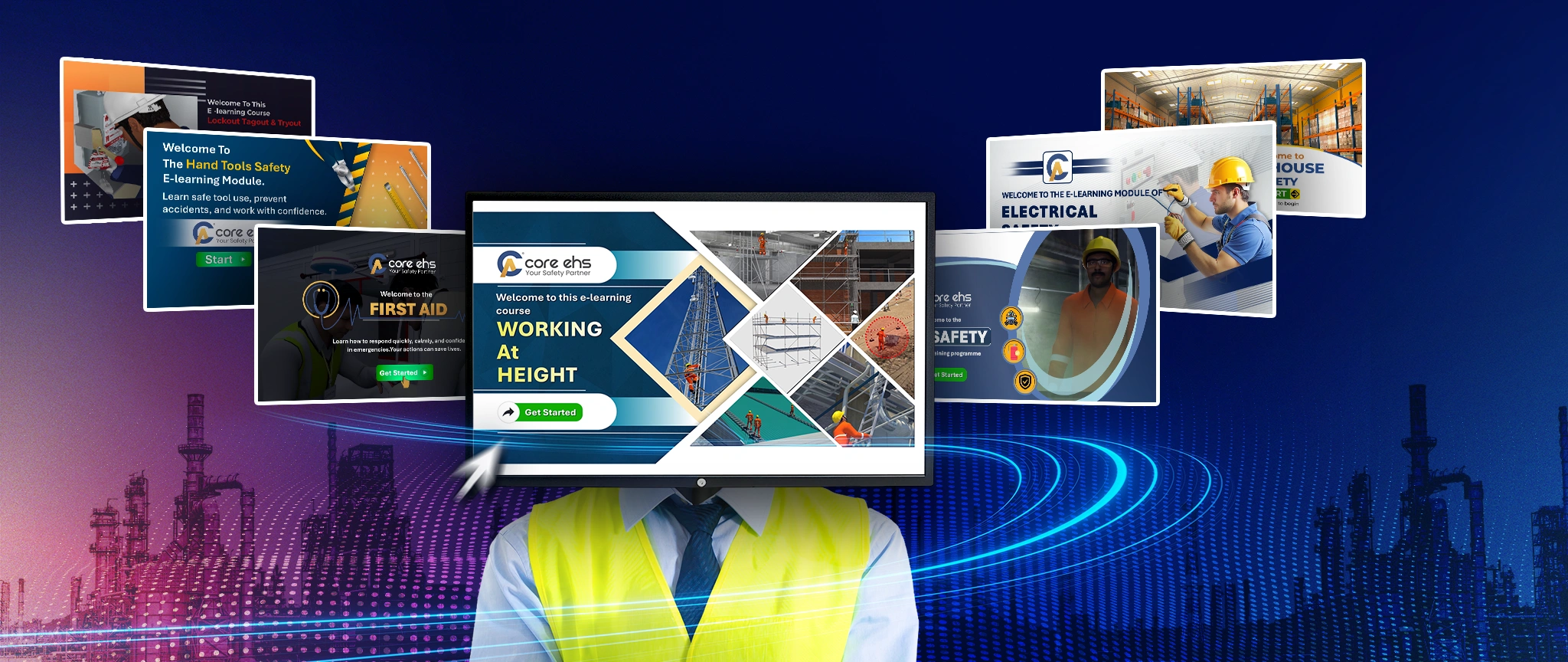
VR Electrical Safety Training is an immersive learning method that uses virtual reality simulations to train workers in identifying electrical hazards, practicing high voltage procedures, and responding to emergency situations without exposure to real-world danger. 

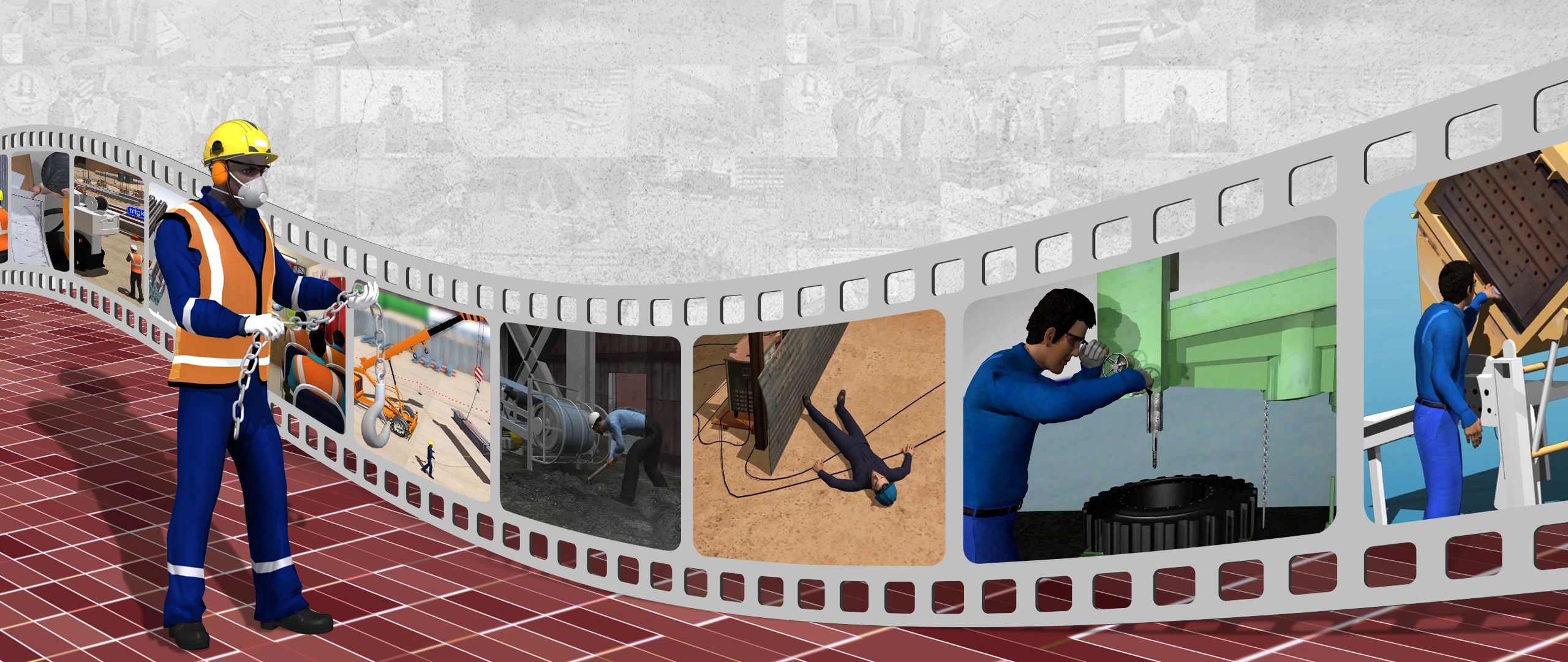
Unlike traditional classroom sessions, virtual reality electrical safety training places workers inside realistic industrial environments such as substations, switchgear rooms, and live panel areas. They can interact with equipment, identify hazards, and make safety decisions in a fully controlled digital space. 

How VR Electrical Safety Training Works 

VR safety training program​ typically includes: 

  • Realistic arc flash hazard simulations
  • Interactive lockout tagout procedure practice
  • High voltage equipment safety assessments
  • Emergency response drills in simulated environments
  • Instant feedback on unsafe actions 

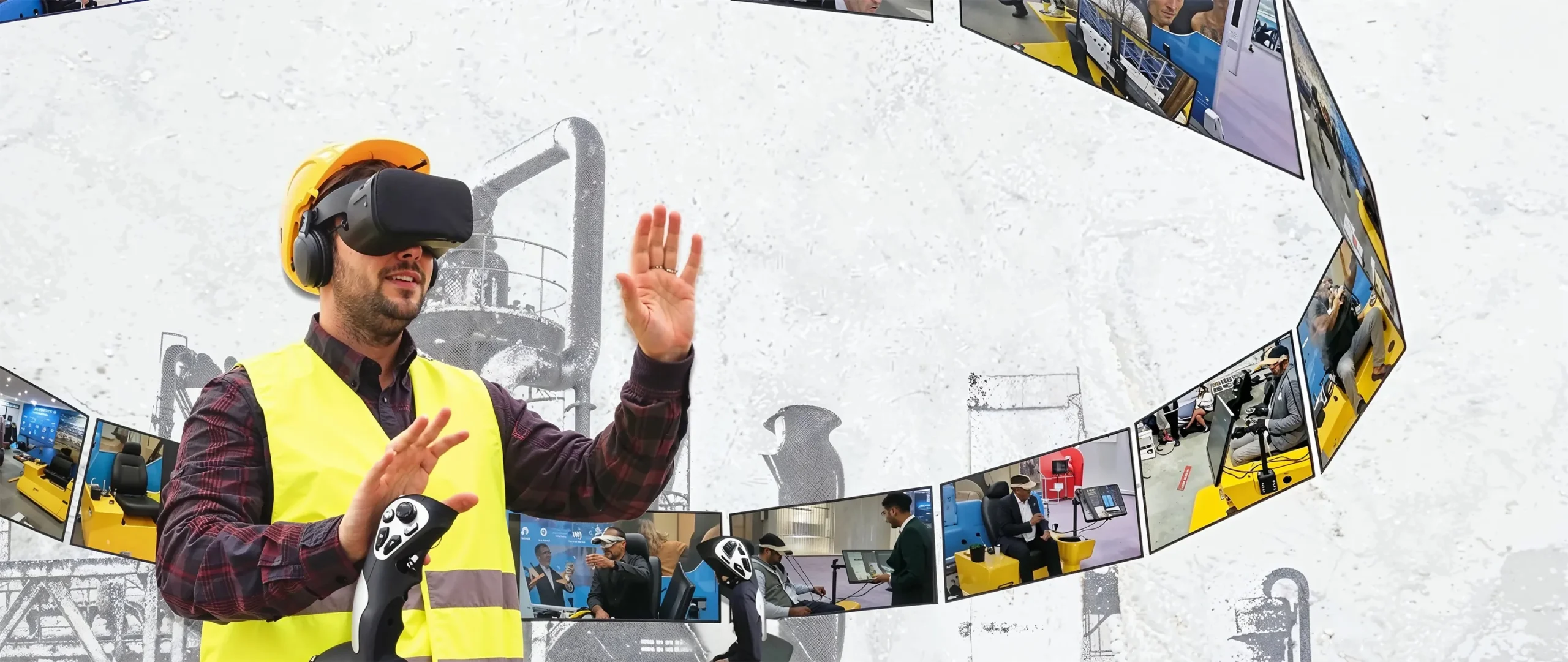
Workers wear a VR headset and move through a 3D industrial setting where they must follow safe work practices. If they make an unsafe decision, the system shows the consequences and provides corrective guidance. 

How Simulation-based Electrical Safety Training Improves Electrical Risk Prevention 

VR industrial electrical safety training​ supports electrical accident prevention by giving workers realistic practice without real danger. Through electrical safety simulation training, employees experience actual industrial scenarios instead of only learning theory. 

What Workers Practice in VR 

  • Identifying arc flash hazards in switchgear and substations
  • Performing lockout tagout procedures step by step
  • Assessing high voltage equipment before maintenance
  • Responding to simulated electrical shock incidents 

This interactive safety training allows workers to make decisions, see the results, and learn safely. 

Why It Improves Safety Performance 

With experiential learning, workers gain: 

  • Better hazard recognition
  • Faster decision-making during high-risk tasks
  • Stronger retention of safety procedures
  • Improved confidence in real environments 

By turning theory into practical experience, Virtual high voltage safety training strengthens electrical risk prevention in industrial and high-voltage workplaces. 

How VR Safety Training Improves Electrical Risk Prevention 

Improving Electrical Risk Prevention with VR Safety Training

VR Electrical safety awareness training​ plays a direct role in electrical accident prevention by allowing workers to experience high-risk situations without real exposure. Instead of only learning procedures, workers actively participate in electrical safety simulation training that mirrors real industrial conditions. 

Realistic Hazard Exposure Without Real Danger 

Through interactive safety training, workers can: 

  • Enter virtual switchgear and substation environments
  • Identify hazards before starting work
  • See the results of unsafe actions safely 

This approach improves hazard awareness without real-world risk. 

Arc Flash Scenario Simulation 

Arc flash hazards are among the most dangerous electrical risks in industrial environments. Electrical hazard simulation training allows workers to: 

  • Visualize arc flash boundaries clearly
  • Select correct PPE before approaching equipment
  • Understand the intensity and impact of an arc flash event
  • Practice safe distancing and emergency response steps 

Seeing and experiencing these scenarios in virtual reality improves hazard recognition far more effectively than static presentations. 

Lockout Tagout Procedures in VR 

Improper isolation of equipment is a leading cause of electrical accidents. With electrical safety simulation training, workers can: 

  • Perform step-by-step lockout tagout procedures
  • Identify missed isolation points
  • Practice verification before starting maintenance
  • Understand the risks of bypassing safety steps 

This experiential learning approach reduces procedural errors and strengthens compliance behaviour. 

Emergency Response Practice in High Voltage Environments 

In real incidents, reaction time matters. VR-based interactive safety training enables workers to: 

  • Respond to simulated electrical shock incidents
  • Take action during equipment failure
  • Follow emergency shutdown protocols
  • Coordinate response in high-pressure situations 

Practising these scenarios improves confidence and preparedness. 

Measurable Benefits of VR Electrical Safety Training 

Organisations adopting Immersive electrical safety training often report improvements in: 

  1. Faster hazard identification
  2. Better retention of safety procedures
  3. Improved decision-making under pressure
  4. Reduced unsafe acts during maintenance tasks
  5. Stronger overall electrical risk prevention culture 
  6. In-built assessments to evaluate worker safety understanding 

By combining experiential learning with interactive safety training, Simulation-based electrical safety training transforms knowledge into safe behaviour. This practical approach supports long-term electrical accident prevention across industrial and high-voltage environments. 

Industrial Applications of VR Electrical Safety Training 

High voltage VR safety training adapts to different industries by creating realistic, sector-specific scenarios focused on industrial electrical safety training, high voltage equipment safety, and electrical maintenance safety. 

Power Generation Plants 

VR simulates substations, control rooms, and transformer areas so technicians can practice substation safety training, arc flash response, and high voltage equipment safety before working on live systems. 

Manufacturing Facilities 

In manufacturing units, VR helps workers practice lockout tagout, panel inspections, and electrical maintenance safety in machine-heavy environments without stopping production. 

Oil and Gas Installations 

For oil and gas facilities, VR recreates hazardous zones where workers train on electrical isolation, grounding procedures, and emergency response in high-risk conditions. 

Construction and Infrastructure Projects 

On construction sites, VR supports temporary power safety checks, working near live lines, and safe use of portable electrical tools through practical scenario-based training. 

By adapting to each sector, VR Electrical Safety Training makes high voltage safety training more practical and industry-focused. 

Why VR Electrical Safety Training Is More Effective Than Theory-Based Training? 

Organisations often compare VR industrial electrical safety training​ vs traditional classroom-based training to understand the real value of digital safety training solutions. Both methods aim to improve safety, but their approach and impacts differ. 

Comparison: Traditional Training vs VR Training 

Parameter  Traditional Training  VR Electrical Safety Training 
Risk Exposure  No real scenario practice  Realistic simulation without physical danger 
Engagement Level  Mostly lecture-based  Fully immersive and interactive 
Knowledge Retention  Moderate, theory-based  Higher due to experiential learning 
Real World Simulation  Limited visual examples  Practical scenario-based training 
Emergency Preparedness  Discussed in theory  Practised in simulated emergencies 

Traditional training remains important for explaining rules and compliance requirements. However, VR Electrical Safety Training strengthens digital safety training solutions by converting theory into practical experience. When combined, both methods can improve overall industrial electrical safety training outcomes in high-voltage environments. 

Key Features to Look for in a Virtual Reality Electrical Safety Training Program 

When selecting a VR-based program, organisations should evaluate whether the solution delivers strong electrical safety simulation training and practical interactive safety training tailored for high voltage safety training needs. 

Essential Features to Consider 

  • Custom industrial scenarios aligned with your plant, equipment, and risk profile
  • Multi-language support for global workforce deployment
  • Assessment tracking and performance analytics to measure competency improvement
  • Compliance alignment with global electrical safety standards and internal SOPs
  • Real-time feedback during simulations to correct unsafe actions immediately.  

A strong VR Electrical Safety program should not only look realistic but also improve measurable safety outcomes. The right solution will integrate technical accuracy, behaviour-based learning, and compliance support to strengthen high voltage safety training across industrial environments. 


FAQ’S

Virtual Reality Electrical Safety Training is a simulation-based learning method that uses virtual reality to train workers on electrical hazards, high voltage safety procedures, and emergency response without exposing them to real danger.

VR improves electrical safety by allowing workers to practice hazard identification, lockout tagout procedures, and arc flash response in realistic digital environments. This strengthens electrical accident prevention and decision-making under pressure.

Yes. These  Training is especially useful for high voltage safety training because it recreates substations, live panels, and switchgear scenarios safely, helping workers prepare before entering real environments.

VR supports electrical risk prevention by improving hazard recognition, reinforcing correct procedures, and allowing repeated practice. While no training removes all risk, immersive learning significantly reduces unsafe behaviours.

Modern electrical safety simulation training can visually recreate arc flash hazards, boundary distances, and PPE selection scenarios. Workers see the impact of unsafe actions in a controlled virtual setting.

Yes. Many digital safety training solutions can be aligned with international safety standards and internal company procedures, supporting documentation and competency tracking requirements.

Industries such as power generation, manufacturing, oil and gas, utilities, and construction benefit most because they regularly work with high-voltage equipment and complex electrical systems.

It should be conducted during induction, periodic refreshers, and before critical electrical maintenance work. Many organisations include it in regular safety programs to maintain hazard awareness and strengthen ongoing risk prevention.

Book your Free Consultation

Fill out the form below, and we’ll arrange a consultation at a time most suitable for you.

    About the Author

    Anand Sir 01-min
    jkanand
    Mr. J K Anand, Founder and CMD of the CORE-EHS Group of Companies, is a transformative figure in the field of Environment, Health, and Safety (EHS). With over 29 years of pioneering experience across India and internationally, he is celebrated as a strategist, innovator, and safety evangelist. His leadership has shaped some of the world’s most complex industrial projects. As Managing Editor of B-Proactive, a premier EHS magazine, Mr. Anand actively leads industry dialogue on safety innovation, cultural transformation, and operational excellence. Under his visionary leadership, CORE-EHS has provided strategic EHS solutions to over 600 industries across India and in more than 30 countries worldwide, earning global recognition for its expertise, innovation, and results.

    Subscribe to Our Blog

    Sign up to receive notifications about the latest blogs from us!

      Suggested Articles

      top white arrow