 +91 72929 29159














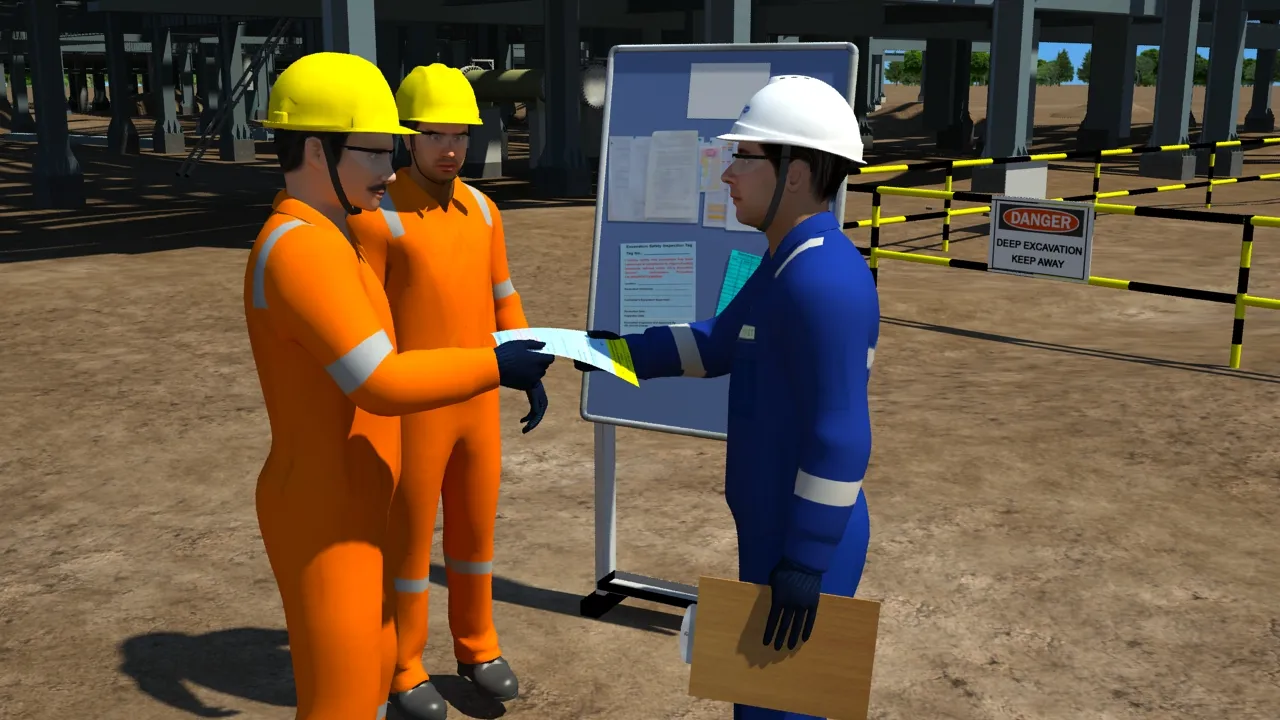
“Permit approved. You can start.”
The supervisor signed the hot work permit, and welding began within minutes.
On paper, everything was in place – authorisation, checklist, signatures.
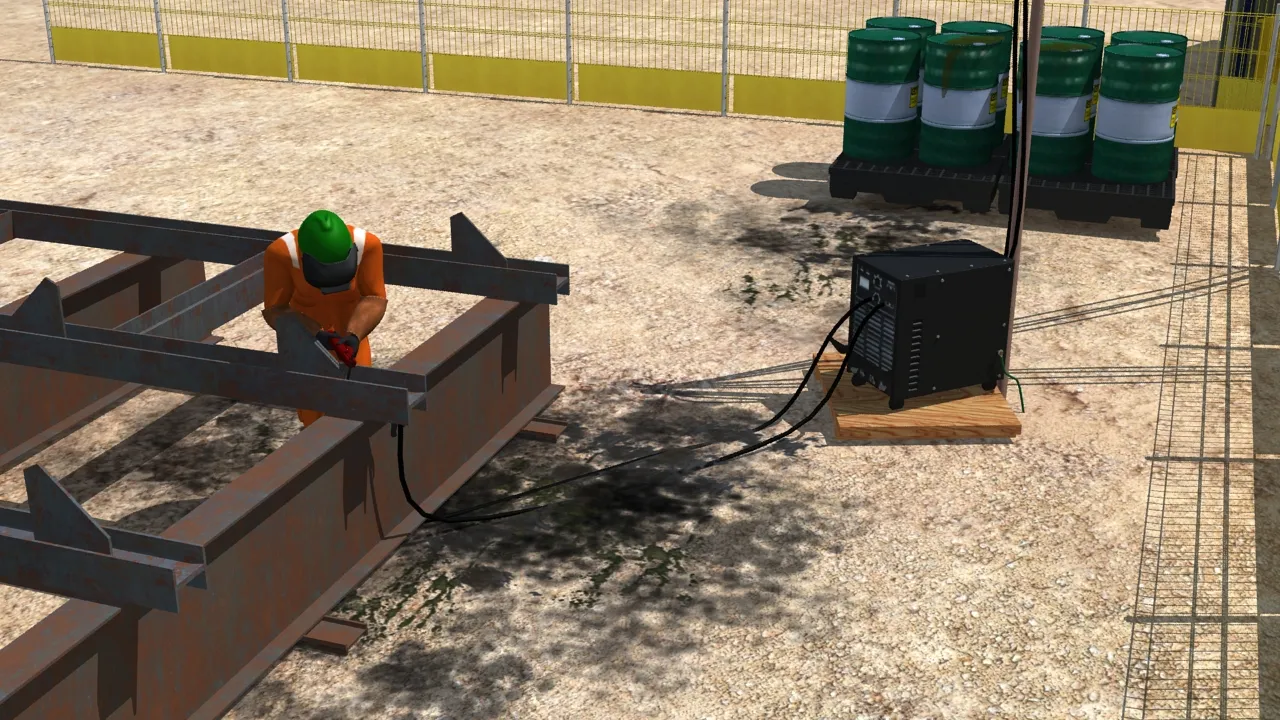
On site, sparks were falling near stored material, no fire watch was present, and no one checked the surrounding area.
By the time smoke was noticed, the fire had already spread.
This is a common reality across many industrial sites.
The issue is not the absence of a permit system – it is the gap between documentation and execution.
Despite structured processes and regular fire safety training, hot work incidents continue to occur because permits often become a formality instead of a control system.
This blog explains why hot work permits fail in real environments and how digital Permit to Work (PTW) systems improve fire safety, compliance, and real-time control.
Why Hot Work Is One of the Highest Fire Risks
Hot work includes activities such as welding, cutting, grinding, and soldering—operations that are common across industrial environments. These processes generate sparks, intense heat, and sometimes molten materials, all of which act as potential ignition sources. When these elements come into contact with combustible materials, the risk of fire increases significantly. This is why hot work is one of the leading contributors to workplace fire incidents, making proper controls, fire prevention safety tips, and permit systems critical components of industrial fire safety.
What a Hot Work Permit Is Supposed to Do
A hot work permit is designed to act as a structured safety control rather than just a formality. Its purpose is to identify fire risks before work begins, ensure that necessary safety measures are in place, assign clear responsibilities, and prevent unsafe conditions from developing. In theory, a well-implemented permit system supports fire and life safety by reducing ignition risks and ensuring that teams are prepared to handle potential hazards. However, the effectiveness of this system depends entirely on how it is implemented and followed on site.
Why Hot Work Permits Fail in Real Work Environments
1. Permits Become a Routine Formality
In many workplaces, permits are treated as a checklist that needs to be completed rather than a control that must be enforced. This often leads to approvals being signed without proper site verification, rushed processes, and repeated use of generic checklists. Over time, this reduces the effectiveness of the permit system and weakens its role in preventing fire risks.
2. Lack of Real-Time Verification
While a permit may confirm that the work area is clear, fire extinguishers are available, and safety measures are in place, these conditions can change quickly once work begins. Without real-time monitoring, combustible materials may be introduced into the area, and safety controls may not be maintained. This creates a gap between what is documented and what actually exists on site.
3. No Accountability on Site
When responsibilities are not clearly enforced, critical safety measures are often overlooked. Fire watch personnel may not be present, safety checks may be skipped, and workers may bypass controls to save time. This lack of accountability creates a disconnect between planning and execution, increasing the likelihood of fire incidents.
4. Poor Communication Between Teams
Hot work operations typically involve multiple stakeholders, including contractors, supervisors, and safety officers. If communication between these teams is unclear or inconsistent, important instructions may be missed and risks may not be properly shared. This breakdown in communication can result in unsafe conditions going unnoticed.
5. Lack of Practical Awareness
Even when permits are in place, workers may not fully understand the risks involved in hot work activities. They may lack awareness of correct fire extinguisher selection, the importance of maintaining a fire watch, or how quickly conditions can escalate. This highlights the need for strong fire safety training and awareness programs that go beyond theoretical knowledge.
The Real Problem: Compliance vs Control
Many organisations focus heavily on compliance, ensuring that permits are filled, documents are signed, and records are maintained. However, fire safety depends on control—whether the area is actually safe, whether safety measures are actively followed, and whether risks are being monitored continuously. The gap between compliance and control is where most hot work-related fire incidents occur.
Common Fire Risks Missed During Hot Work
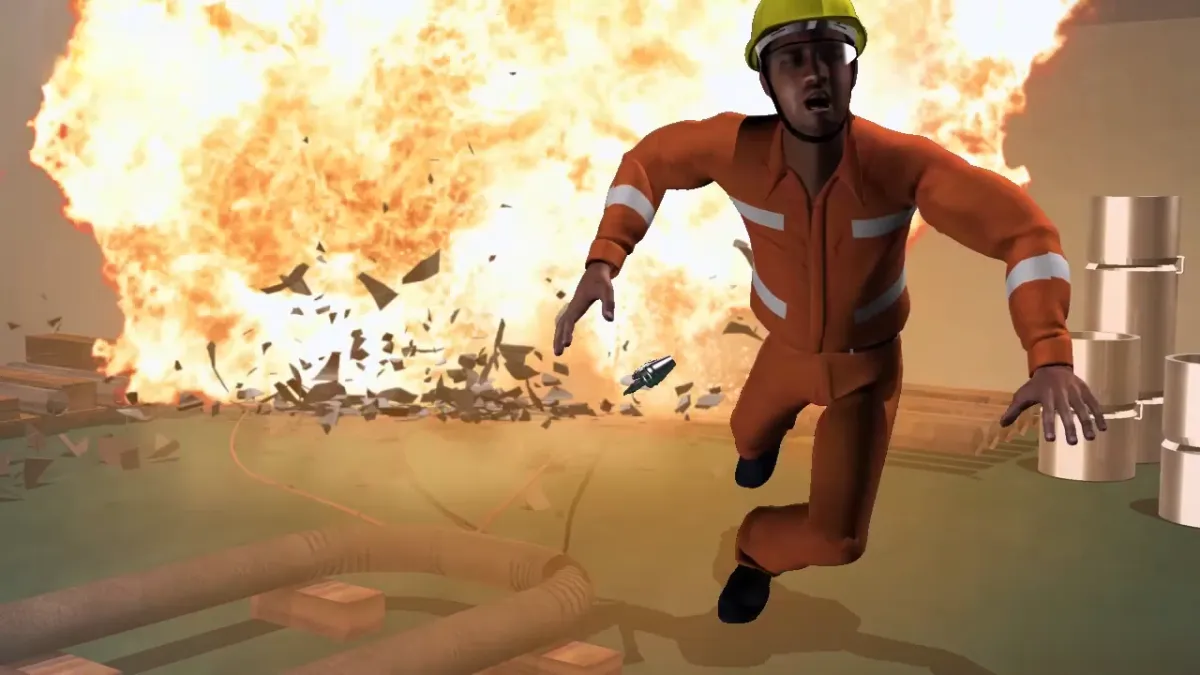
In real-world environments, several fire risks are frequently overlooked. Sparks can travel beyond the immediate work area and ignite materials that are not in direct view. Combustible materials may be hidden or improperly stored nearby. Flammable liquids may not be secured correctly, and fire and safety equipment may not be easily accessible. Additionally, post-work monitoring is often neglected, allowing smouldering materials to ignite later. Even small oversights like these can lead to major fire incidents.
How a Digitized PTW System Improves Fire Safety
Digitized Permit to Work (PTW) systems address these gaps by introducing real-time visibility, accountability, and control into the process. Instead of relying solely on paperwork, digital systems enable better verification, communication, and monitoring.
Digital platforms allow site conditions to be verified through photo evidence, live checklists, and on-ground validation before approval. They track every action, clearly identifying who approved the permit, who verified safety conditions, and who is responsible on site. This level of accountability reduces negligence and ensures that safety measures are properly followed.
| Aspect | Paper-Based PTW System | Digital PTW System |
| Verification | Relies on manual checks and signatures | Enables real-time verification with photos and live validation |
| Accuracy of Information | Prone to human error and incomplete data | Standardized inputs reduce errors and improve accuracy |
| Real-Time Visibility | No visibility once permit is issued | Live tracking of active permits and site conditions |
| Accountability | Difficult to track who verified what | Full traceability of actions and responsibilities |
| Communication | Dependent on manual coordination | Instant updates and alerts to all stakeholders |
| Monitoring During Work | Limited or no monitoring after approval | Continuous monitoring throughout the work process |
| Response to Changing Conditions | Delayed or not updated | Immediate updates and corrective actions possible |
| Data & Insights | No structured data for analysis | Data-driven insights for improving fire safety systems |
| Compliance Management | Focused on documentation | Ensures both compliance and actual control |
| Fire Risk Control | Reactive approach | Proactive and preventive approach |
| Integration with Systems | Standalone process | Can integrate with fire safety inspections and monitoring systems |
In addition, digital systems improve communication by providing instant updates, alerts, and visibility to all stakeholders. They also allow continuous monitoring of active permits, ensuring that safety controls remain in place throughout the work duration. Over time, these systems generate valuable data that helps identify recurring risks, improve safety processes, and strengthen fire safety inspections and audits.
Role of Training in Strengthening PTW Systems
Even the most advanced systems cannot ensure safety without properly trained personnel. Organizations must invest in practical fire safety training, hot work awareness, and emergency response preparedness. When training is aligned with real work condtions and combined with effective systems, it significantly improves decision-making and response during critical situations.
Practical Fire Safety Tips for Hot Work Operations
Improving safety during hot work requires consistent attention to basic practices. Work areas should be cleared of combustible materials before starting, appropriate fire extinguishers should be readily available, and a trained fire watch should always be assigned. The area must be monitored even after work is completed, as residual heat can lead to delayed ignition. Following proper permit procedures and conducting regular fire safety inspections are essential fire and safety tips that help prevent incidents.
Building a Strong Fire Safety Culture
Organisations that succeed in fire prevention focus on behaviour, systems, and continuous improvement. They move beyond paperwork and invest in technology, training, and accountability. This approach strengthens overall fire and safety services and enhances operational safety.
Conclusion
If your permit system is only ensuring compliance and not control, it may not be enough. Real fire safety depends on what happens on the ground, not just what is documented.
CORE-EHS helps organisations strengthen fire safety and training systems through digital Permit to Work solutions, practical fire safety training, fire risk assessments, and industry-focused safety programs. The goal is to build systems that ensure real safety, not just documentation.
Connect with us to explore smarter fire safety and permit management solutions.