 +91 72929 29159


What Is Work at Height? OSHA Definition, Indian Standards, Rules and Hazards
Work at height means performing any task where a worker could fall and get injured if proper safety controls are not in place.




 Solutions

All your EHS & ESG needs
Empowering responsible decisions through unified EHS and ESG solutions

Read our success stories
Explore how we have transformed safety cultures with our EHS solutions.
.
.
Resources
About Us
Our Mission
Our mission is to empower industries to achieve their safety, health,and environmental objectives, integrating Environmental, Social, and Governance (ESG) principles into our strategic insights, expert guidance, and innovative solutions. We are dedicated to advancing sustainable and responsible practices across all sectors.
Our Vision
Our vision is to become the foremost provider of exceptional safety services, enabling organizations to not only meet but excel in their safety, health, and environmental goals, while fully embracing and
implementing ESG standards for a sustainable future.
Empowering workers with the skills to work safely and efficiently at height
Book Your Training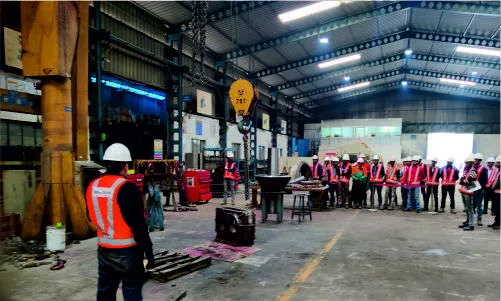



Rigging is securing the load to enable handling and placement, while opposing gravity to move from one position to another is lifting. With advancement in industrialization, construction industry is expanding. Machinery has decreased manual work and there is need that proper training be provided before using these equipment. There are many incidents of crane and rigging accidents that cause fatality and extensive damage to property. Most crane accidents can be prevented by field personnel following basic safe hoisting and rigging practices.
| Training Program | Ideal For | Duration | Mode |
|---|---|---|---|
Basic Rigging & Lifting Safety Training |
Riggers, helpers, operators & new joiners | 1 Day | Classroom / Onsite |
Advanced Rigging Techniques & Sling Selection Training |
Experienced riggers, supervisors, lifting crew | 1–2 Days | Classroom / Onsite / Practical |
Crane & Lifting Operations Safety Training |
Crane operators, banksmen, signalmen & supervisors | 1 Day | Classroom / Practical |
Lifting Plan, Load Calculation & Inspection Training |
Safety officers, engineers, lifting planners, QA teams | 1 Day | Classroom / Onsite |












Gain practical knowledge and hands-on skills to safely plan, rig, and execute lifting operations using appropriate lifting equipment and accessories.
Identify and control risks related to suspended loads, improper rigging methods, load imbalance, and equipment failure during lifting activities.3. Understand load weight calculations, sling angles, lifting capacities, and safe working load limits to prevent accidents and structural damage.
Understand load weight calculations, sling angles, lifting capacities, and safe working load limits to prevent accidents and structural damage.
Apply correct inspection, signalling, and communication practices to ensure safe coordination between riggers, crane operators, and supervisors.
Minimise lifting-related incidents, dropped-object hazards, and equipment damage by ensuring competent and trained rigging personnel.
Comply with statutory requirements, lifting standards, and safety regulations governing cranes, hoists, and lifting operations.
Improve operational efficiency by reducing lifting delays, rework, and unplanned shutdowns caused by unsafe lifting practices.
Enhance overall safety culture by promoting disciplined planning, risk awareness, and accountability during high-risk lifting activities.

Ideal for frontline employees directly involved in operational tasks. The training equips them with practical knowledge on hazard identification, use of PPE, and safe work practices to minimize on-site risks.

Designed for shift and site supervisors responsible for overseeing daily operations. It helps them monitor compliance, identify unsafe acts or conditions early, and ensure team adherence to safety standards.

Best suited for project and plant managers who drive safety culture within their teams. The course enhances their ability to analyze risk trends, implement preventive measures, and ensure regulatory compliance.

Tailored for EHS and safety professionals tasked with enforcing safety protocols. It strengthens their technical understanding of hazard control, audits, and reporting for improved workplace safety performance.
We partner across sectors, delivering tailored EHS solutions for:
Engineering

Automobiles

Automotive & Mobility

Power
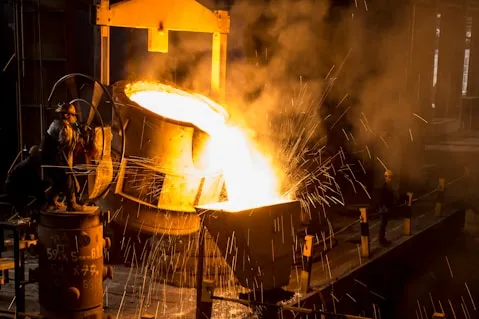
Iron & Steel

Cement Industry
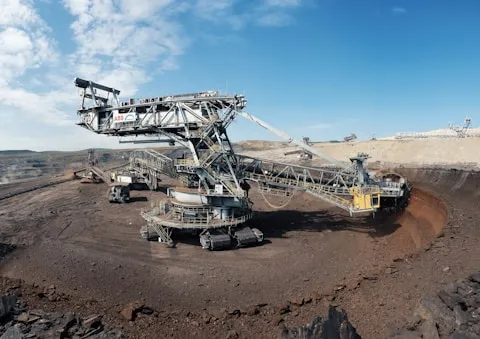
Metal & Mining

Shipping & Marine

Construction & Infrastructure

Chemicals & Fertilizer

Pharmaceutical& Life Science

Food FMCG & Agriculture

Electrical & Electronics

Retails & Consumer Durable
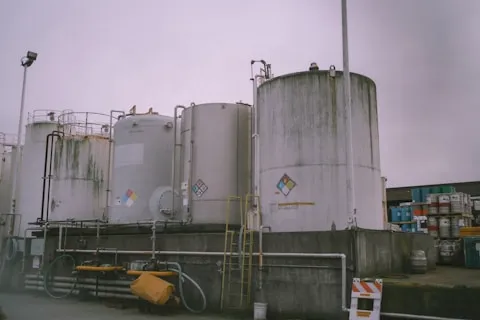
Petrochemical, Oil, Gas & Refinery
Upon completing our Rigging & Lifting Training, participants can expect to:
Understand common risks such as load swing, pinch points, overhead hazards, unstable loads, and apply preventive controls during lifting operations.
Learn correct use of slings, shackles, hooks, wire ropes, chains, lifting beams & attachments, along with pre-use inspection procedures and rejection criteria.
Gain skills in determining load weight, center of gravity, sling angle effects, lifting techniques, and safe attachment methods.
Build competency in hand signals, radio communication, spotter roles, crane-banksman coordination, and teamwork during lifts.
Understand lifting plan preparation, documentation, safe zones, barricading, statutory requirements, and continuous improvement in lifting safety culture.

Each CORE-EHS Rigging & Lifting Training program is delivered through immersive learning formats, combining practical engagement, regulatory focus, and measurable safety outcomes.
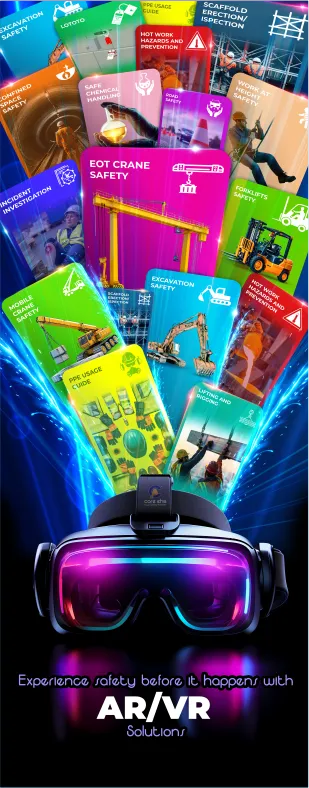
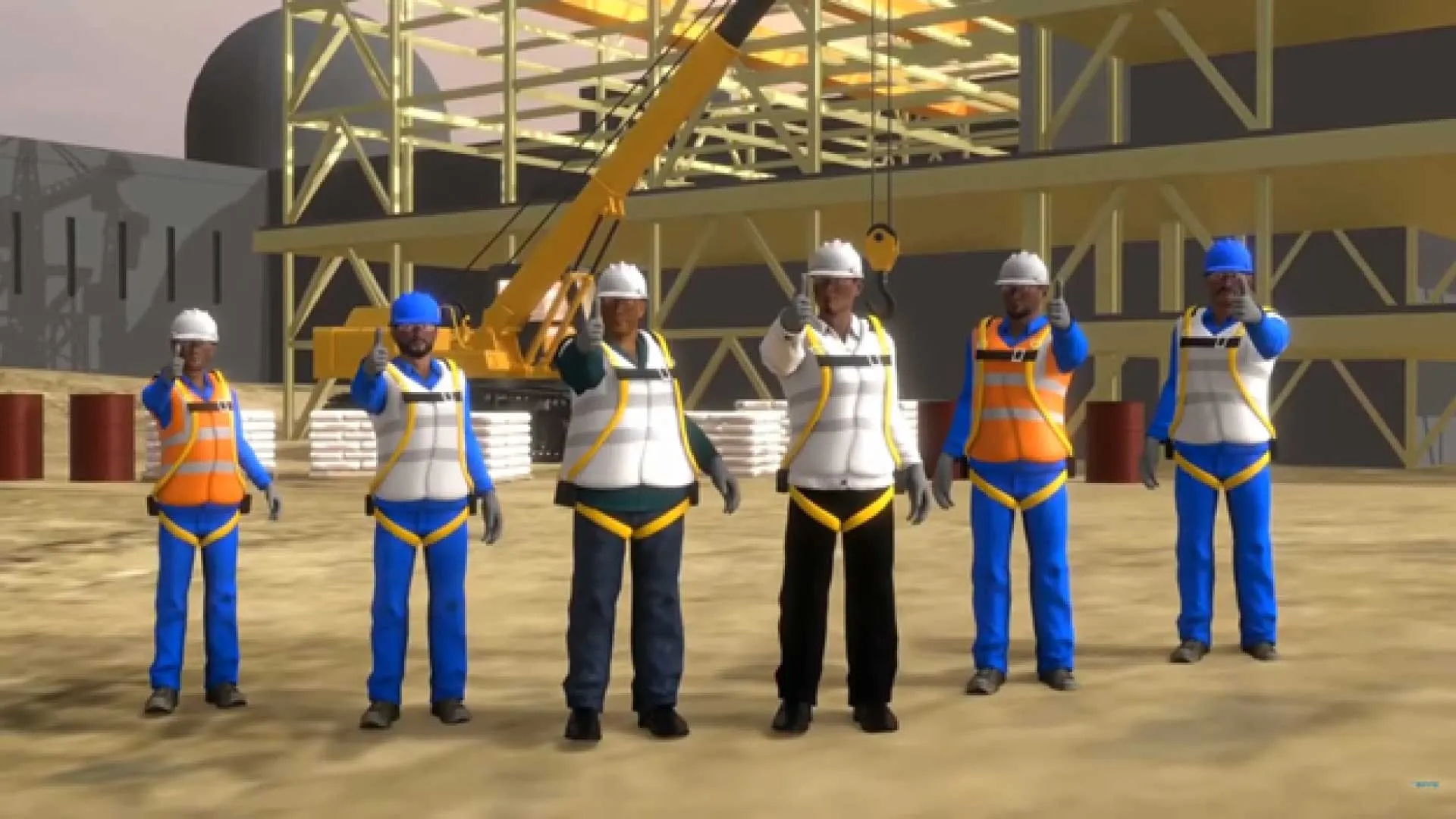
Experience real-world work-at-height hazards through immersive 3D visuals that make learning engaging, safe, and easy to remember.
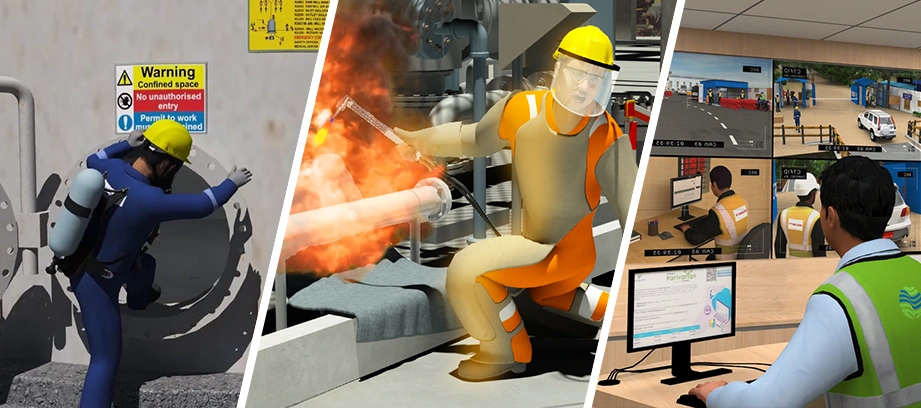
Hands-on, instructor-led sessions where participants practice height safety techniques under expert supervision.
Live online sessions with interactive discussions, case studies, and real-time Q&A to make remote learning effective and flexible.

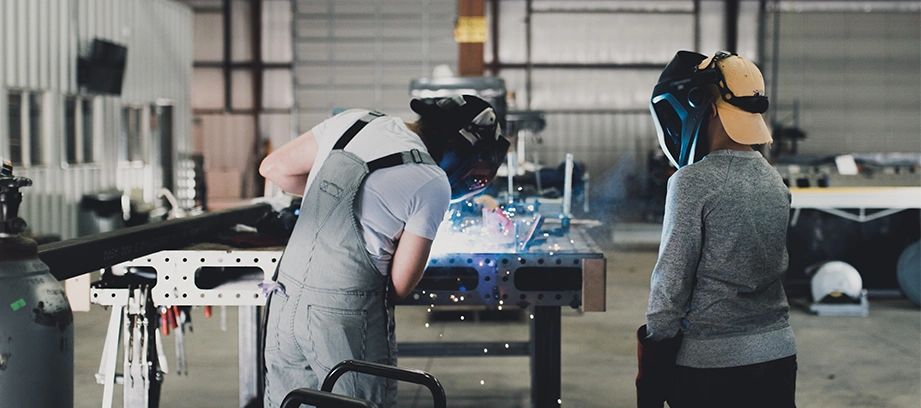
Delivered directly at your facility, combining classroom instruction with field demonstrations for practical, real-world understanding.








To know more about us
EHS safety training equips employees with the knowledge, skills, and awareness required to identify workplace hazards, follow safe work practices, respond to emergencies, and comply with applicable Environment, Health, and Safety regulations.
EHS safety training is essential to prevent accidents, reduce unsafe acts, protect employees, and ensure legal compliance. It also strengthens safety culture and improves overall operational performance.
Yes. CORE-EHS provides customised on-site EHS safety training based on your industry, site conditions, hazard profile, job roles, and regulatory requirements, ensuring practical relevance and immediate applicability.
EHS safety training is required across industries such as manufacturing, construction, oil & gas, power plants, chemicals, pharmaceuticals, logistics, infrastructure, and project sites.
Training topics include work at height, confined space, electrical safety, fire safety, rigging and lifting, behaviour-based safety, accident investigation, contractor safety, and emergency response, among others.
CORE-EHS training programs are aligned with applicable Indian safety laws, statutory requirements, and regulatory guidelines, supporting compliance and audit readiness.
CORE-EHS supports organisations through internationally recognised safety frameworks and best practices and can guide learners towards globally accepted certifications such as NEBOSH through structured learning pathways.
Pre and post assessments help measure knowledge gaps, evaluate learning effectiveness, and ensure competency development, enabling organisations to track real improvement rather than just attendance.
Training sessions are conducted by experienced EHS professionals and industry practitioners with hands-on exposure to industrial operations, audits, and safety implementation.
Yes. EHS training directly supports the ‘Social’ pillar of ESG by improving worker safety, competence, and wellbeing, contributing to responsible and sustainable business practices.

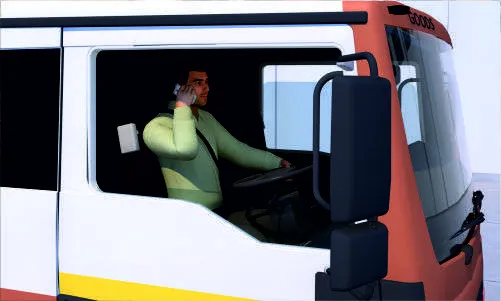
Defensive driving is a form of training for vehicle drivers that makes them aware about the driving rules, standard driving practices and the required driving mechanics.
Enquire Now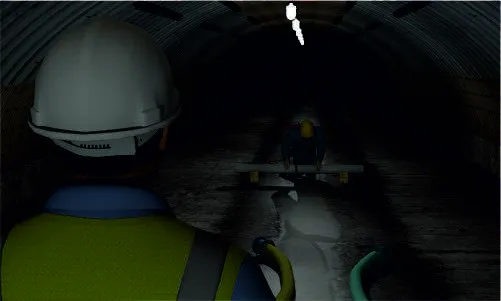
Prevent confined space accidents with certified safety training. Learn hazard control, safe entry, permits, and rescue skills for high-risk work environments.
Enquire Now
Ergonomic Safety Training focuses on identifying workplace ergonomic risks and adopting safe work practices to reduce strain, prevent musculoskeletal injuries, and improve worker wellbeing.
Enquire NowHere’s what we've been up to recently.
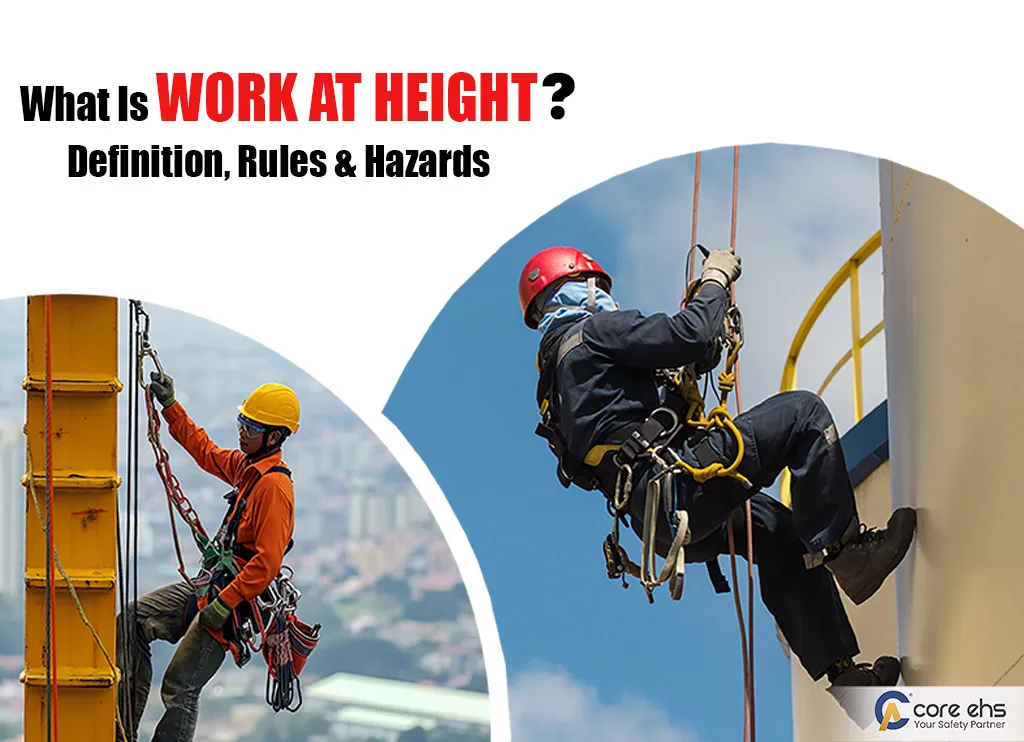
Work at height means performing any task where a worker could fall and get injured if proper safety controls are not in place.
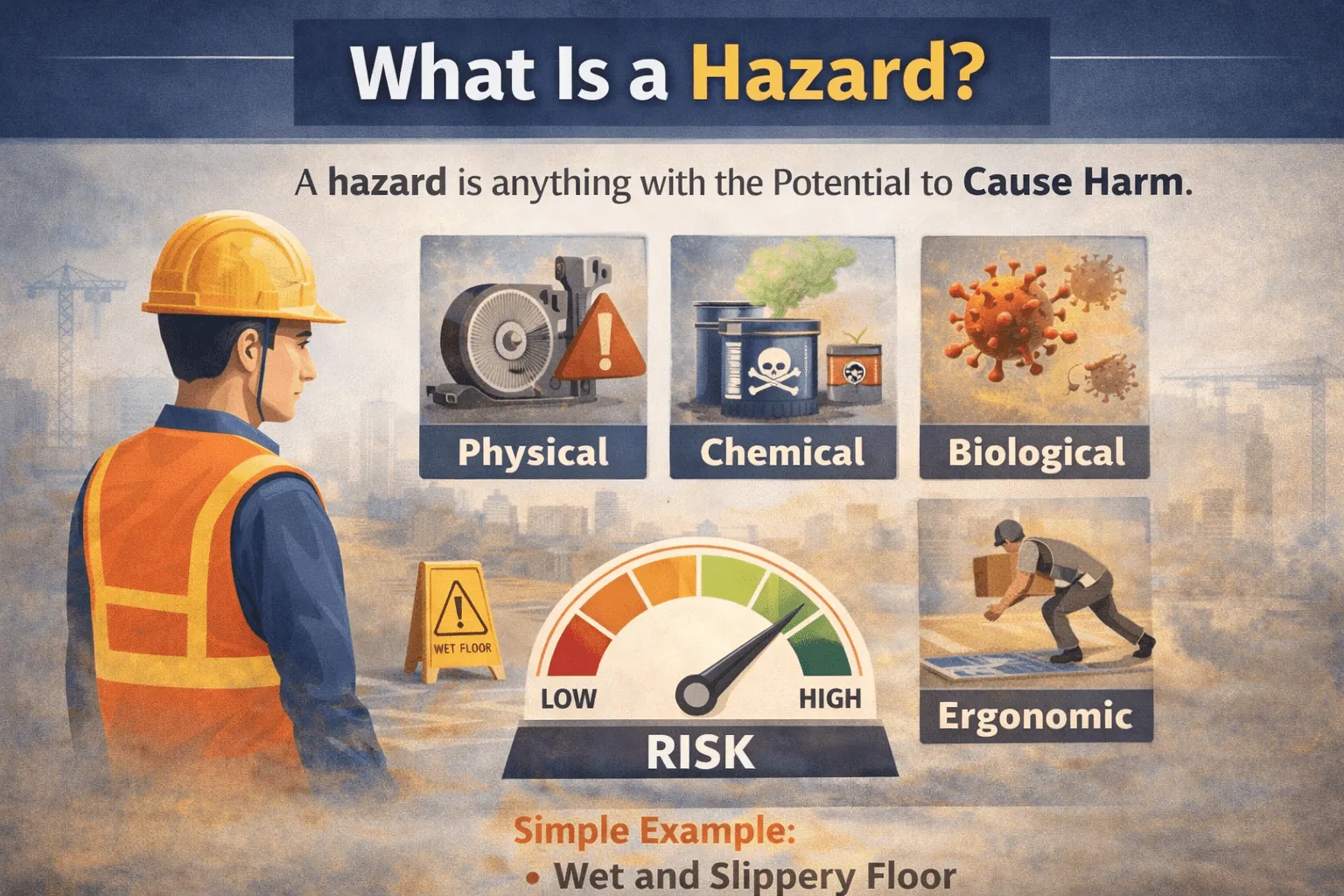
In workplace safety, the difference between hazard and risk is one of the most commonly misunderstood concepts.
Safety expectations around the world are changing fast. Companies across oil and gas, manufacturing, construction, chemicals, power plants, logistics, and many other sectors now depend on digital tools to keep workers safe
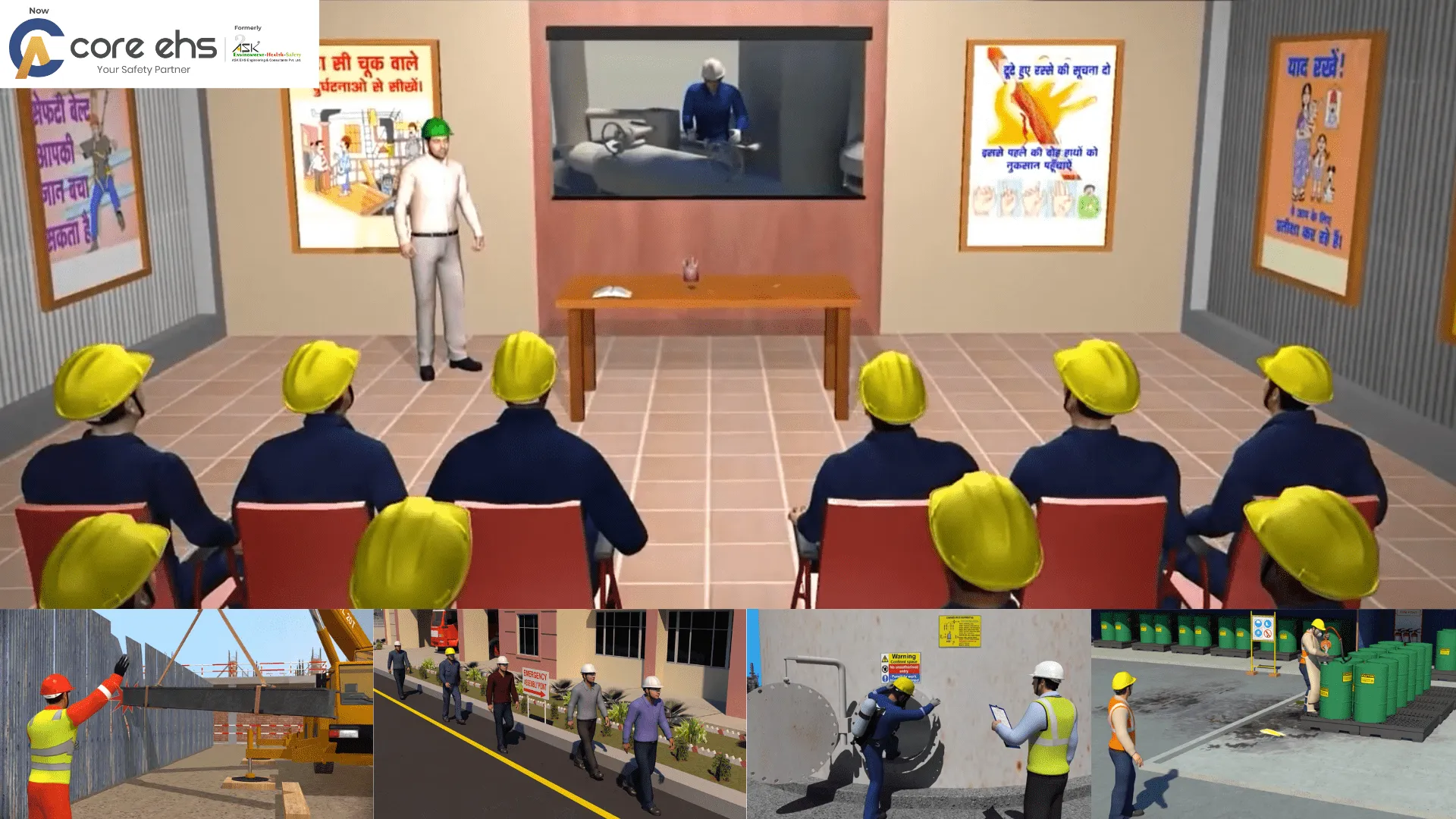
3D Animated Safety Training is revolutionizing how we approach occupational health and safety across various industries.
