 +91 72929 29159














What Is Chemical Safety Awareness Training?
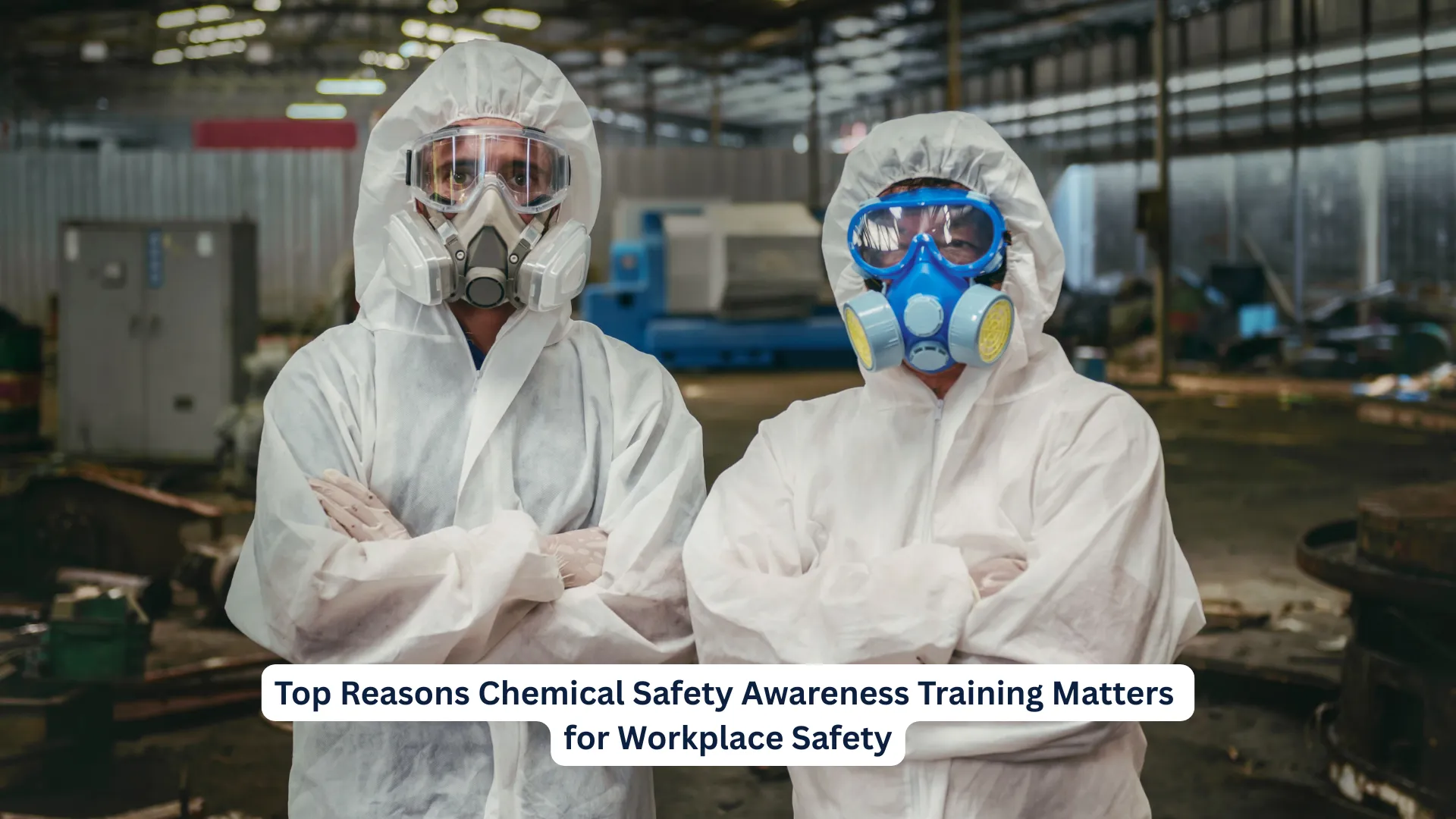
Chemical hazard awareness training is a structured program designed to educate employees about the risks associated with hazardous chemicals and the preventive measures required to work safely. It focuses on building chemical hazard awareness so workers can identify potential dangers, follow approved chemical handling procedures, and respond effectively during emergencies.
In simple terms, chemical risk awareness training teaches employees how to recognise chemical risks, interpret hazard labels, use protective equipment correctly, and prevent exposure incidents in the workplace.
Why Chemical Safety Training Is Important for Workplace Safety
Chemical safety awareness training is a foundational requirement for any organisation that handles, stores, transports, or works around hazardous substances. From manufacturing plants and laboratories to construction sites and oil refineries, chemical exposure risks remain one of the most underestimated workplace hazards worldwide. Even a minor lapse in chemical handling procedures can lead to burns, respiratory illness, environmental contamination, regulatory penalties, and costly operational downtime.
Workplace chemical safety training equips employees with the knowledge to recognise hazards, understand Safety Data Sheets, interpret GHS labels, and follow safe storage and emergency response protocols. In a global business environment where regulatory frameworks such as OSHA, REACH, and WHMIS continue to evolve, organisations cannot afford gaps in chemical hazard awareness.
This article explores why chemical safety awareness training is necessary, what it covers, who needs it, and how it strengthens compliance, safety culture, and long-term risk prevention across industries worldwide.
Core Objectives of Chemical Hazard Awareness Program
An effective training program typically aims to:
- Help employees identify different types of chemical hazards, such as flammable, corrosive, toxic, and reactive substances
- Improve understanding of Safety Data Sheets through structured SDS training
- Explain GHS labeling systems and hazard communication requirements
- Promote safe chemical storage, segregation, and transportation practices
- Train workers on proper PPE selection for chemical handling
- Prepare teams for spill control, containment, and emergency response situations
By strengthening chemical hazard awareness at all levels of the organisation, companies reduce the likelihood of exposure incidents while improving overall workplace chemical safety compliance.
Why Chemical Risk Awareness Training Is Necessary?

Chemical hazard awareness training is not simply a regulatory checkbox. It is a proactive risk management measure that directly protects employees, assets, and organisational reputation. In environments where hazardous chemicals are used daily, even experienced workers can become complacent. Structured hazardous chemical training helps reinforce safe behaviours and standard procedures.
Prevents Workplace Injuries and Occupational Illness
Uncontrolled chemical exposure can result in burns, skin disorders, respiratory complications, eye injuries, and long-term health conditions. Industrial chemical safety programs reduce these risks by teaching employees how to recognise early warning signs of exposure, apply proper chemical exposure prevention measures, and use engineering and administrative controls effectively.
When workers understand hazard classifications and exposure routes such as inhalation, ingestion, and skin contact, they are far less likely to make unsafe decisions.
Reduces Legal and Regulatory Risks
Across the globe, regulations require employers to provide chemical hazard awareness training. In the United States, OSHA’s Hazard Communication Standard mandates employee training on hazardous substances. In Europe, REACH regulations and CLP guidelines emphasise proper labelling and risk communication. Canada enforces WHMIS training requirements, while many Asian and Middle Eastern countries align with GHS compliance frameworks.
Failure to provide adequate chemical hazard awareness training can result in penalties, legal claims, insurance increases, and suspension of operations.
Protects Business Continuity and Operational Stability
Chemical incidents often lead to production shutdowns, environmental cleanup costs, internal investigations, and reputational damage. A single preventable incident can impact supply chains and client relationships. Workplace injury prevention through structured chemical safety training strengthens operational resilience and audit readiness.
Organisations that invest in preventive training experience fewer disruptions, improved safety performance metrics, and stronger compliance outcomes.
Strengthens Safety Culture Across the Organisation
A well-implemented chemical safety awareness training program reinforces accountability and hazard reporting. Employees become more confident in identifying unsafe conditions, asking questions, and following documented procedures. Over time, this contributes to a mature safety culture where chemical risks are managed systematically rather than reactively.
Key Topics Covered in Chemical Safety Awareness Training
A comprehensive chemical safety awareness training program covers practical, compliance-driven topics that employees can immediately apply in their daily work. The goal is not only knowledge transfer but behaviour change that strengthens workplace chemical safety.
Below are the core subjects typically included:
Types of Chemical Hazards
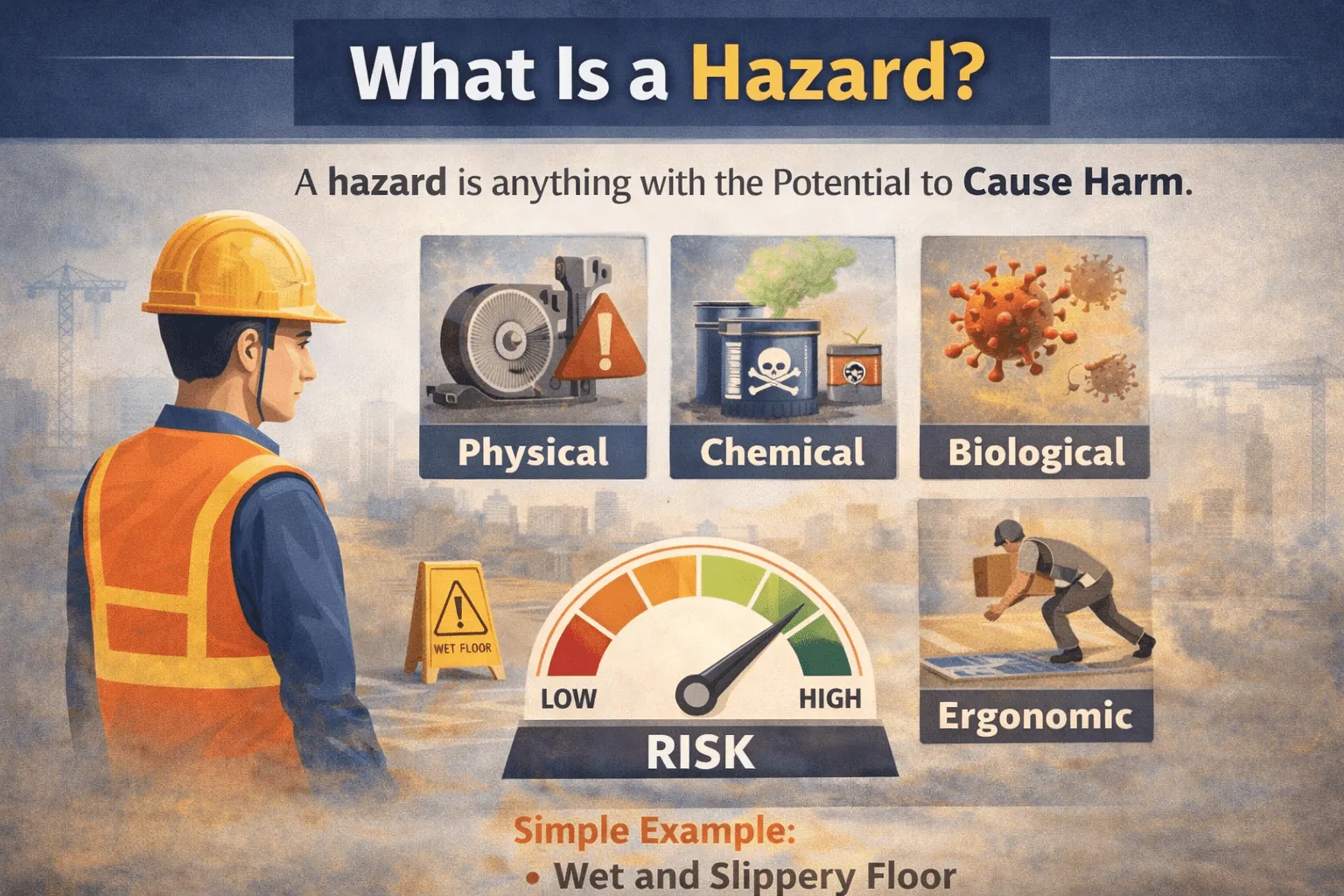
Employees learn to identify different hazard classifications such as flammable liquids, corrosive acids, toxic substances, oxidizers, carcinogens, and reactive chemicals. Understanding hazard categories improves chemical exposure prevention and supports safer decision-making.
Safety Data Sheets and SDS Training
SDS training helps workers understand how to read and interpret Safety Data Sheets. Key sections include hazard identification, first aid measures, firefighting instructions, handling and storage guidelines, and exposure controls. Proper interpretation of SDS documents is a cornerstone of chemical hazard awareness.
GHS Labeling and Hazard Communication
Workplace chemical safety training explains the Globally Harmonised System, including pictograms, signal words, hazard statements, and precautionary statements. A clear understanding of GHS chemical labeling ensures workers can quickly recognise risk levels and required precautions.
Safe Chemical Storage and Segregation
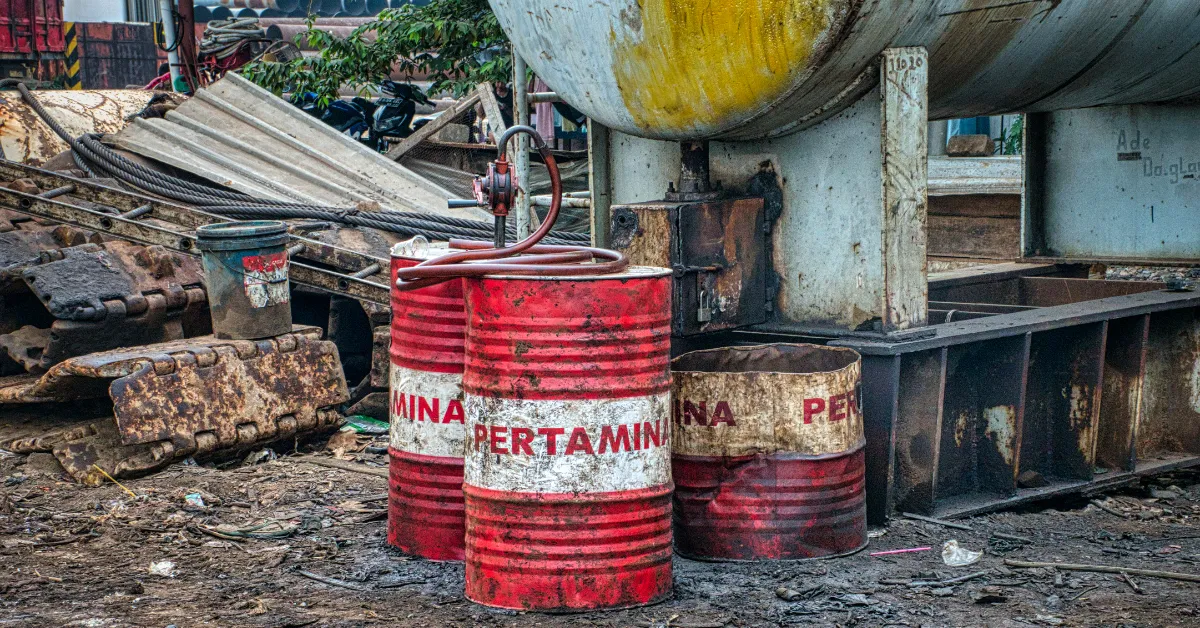
Improper storage can lead to chemical reactions, fires, or toxic releases. Training covers compatibility charts, segregation principles, ventilation requirements, secondary containment, and labeling best practices.
PPE for Chemical Handling
Employees are trained on selecting and using appropriate personal protective equipment such as chemical-resistant gloves, goggles, face shields, respirators, and protective clothing. Correct PPE usage significantly reduces direct exposure risks.
Spill Control and Emergency Response
Chemical spill response training includes containment procedures, evacuation protocols, use of spill kits, reporting requirements, and coordination with emergency teams. Preparedness reduces panic and minimizes environmental and operational damage.
By covering these essential topics, chemical safety awareness training ensures employees are not only informed about hazards but also equipped to prevent incidents before they escalate.
Industry-Specific Importance of Chemical Safety Training
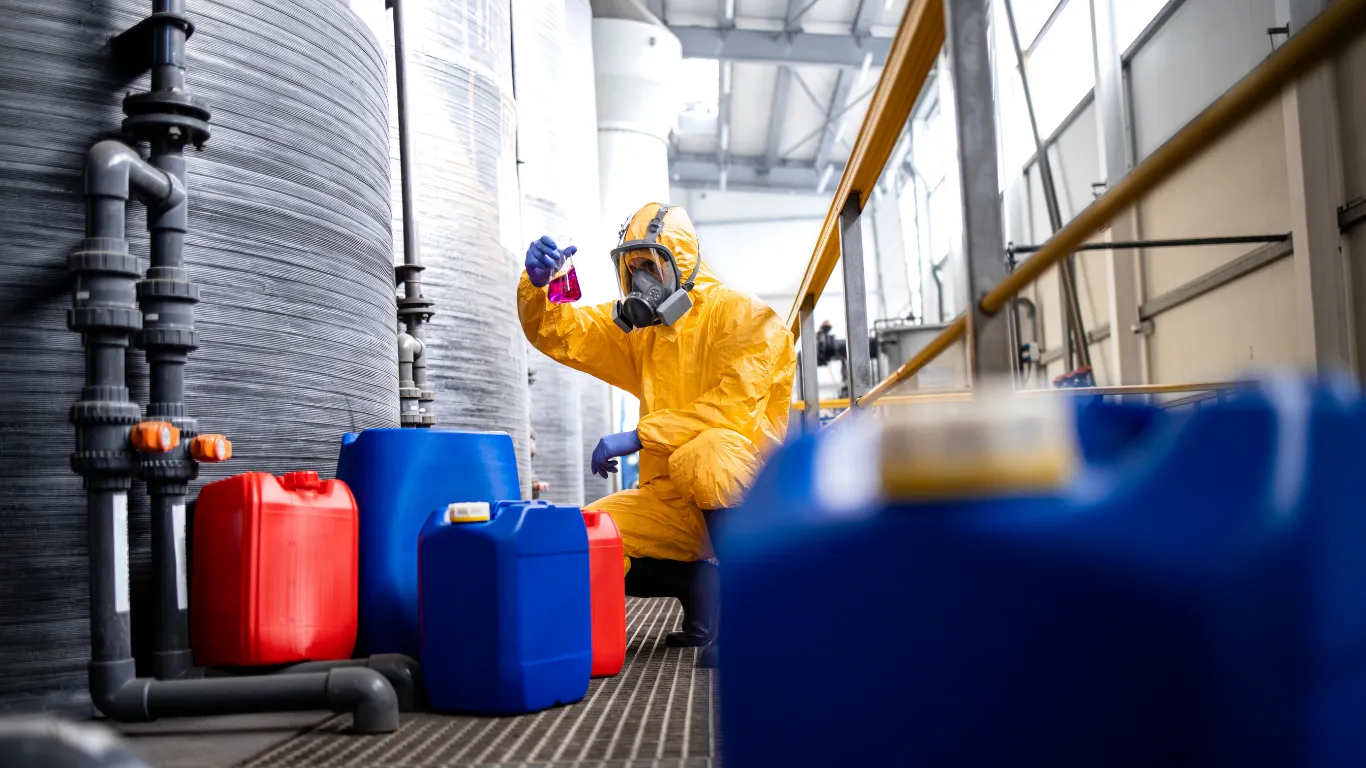
Chemical risks vary by industry. While the core principles remain the same, the type of exposure, frequency of handling, and severity of impact differ significantly across sectors. That is why chemical safety awareness training should always reflect industry-specific realities.
Below is a simplified view of how chemical plant safety training applies across major global industries:
Manufacturing Sector
In manufacturing environments, workers may handle corrosive substances and flammable liquids daily. Chemical safety awareness training helps operators follow safe transfer procedures, ventilation practices, and PPE requirements to avoid accidental exposure.
Oil and Gas Sector
In oil refineries and drilling operations, even a small mistake can lead to toxic gas release or fire. Hazardous chemical training ensures workers recognise early warning signs and respond immediately.
Pharmaceutical and Laboratory Environments
These workplaces often involve controlled chemical reactions and sensitive compounds. Laboratory chemical safety training emphasises strict labelling, contamination control, and emergency protocols.
Construction Sites
Construction chemical safety training addresses risks related to adhesives, paints, fuels, and curing agents. Workers learn how to store materials safely and avoid the dangerous mixing of incompatible substances.
By tailoring chemical safety awareness training to specific industry risks, organisations improve practical relevance and strengthen real-world safety performance.
Best Practices for Delivering Effective Chemical Safety Awareness Training
Simply conducting one session is not enough. For chemical safety training courses to create real impact, it must be structured, practical, and continuously reinforced.
Below are proven best practices used by high-performing organisations worldwide:
1. Role-Based Training Approach
Not all employees face the same chemical risks. Maintenance teams, lab technicians, supervisors, and warehouse staff require different levels of detail. Customising training content based on job role improves relevance and engagement.
2. Use Real Workplace Scenarios
Training should include real-life case examples, incident learnings, and practical demonstrations. Scenario-based learning helps employees understand how chemical exposure prevention works in actual situations rather than only in theory.
3. Combine Online and Practical Sessions
Online chemical safety program offers flexibility and scalability, especially for multinational organisations. However, combining digital modules with on-site demonstrations ensures better understanding of PPE use, spill response, and emergency procedures.
4. Conduct Regular Refresher Training
Chemical hazards evolve when new substances are introduced or processes change. Refresher chemical safety training should be conducted annually or whenever significant operational changes occur.
5. Assess and Track Competency
Effective programs include assessments, quizzes, and certification records. Tracking participation through an LMS or safety management system ensures accountability and compliance documentation.
When these best practices are followed, chemical safety training becomes a continuous improvement process rather than a one-time compliance activity.
Common Barriers to Chemical Safety Awareness Training and How to Overcome Them
Even when organisations understand the importance of chemical safety awareness training, implementation challenges can slow progress. Identifying these barriers early helps ensure smoother adoption and stronger safety outcomes.
Below are common challenges and practical solutions:
| Common Barrier | Why It Happens | Practical Solution |
| Low employee engagement | Workers may see training as a routine requirement rather than a safety priority | Use interactive sessions, real incident examples, and scenario-based discussions |
| Language and literacy gaps | Multinational workforces may not fully understand technical terminology | Provide multilingual modules and visual-based chemical hazard awareness materials |
| Outdated training materials | Regulations and chemical inventories change over time | Review and update content annually to align with current GHS and regulatory standards |
| Lack of management involvement | Leadership may delegate safety entirely to EHS teams | Encourage visible leadership participation and reinforce accountability |
| Poor tracking and documentation | Manual records lead to missed refresher deadlines | Use digital systems or LMS platforms to track chemical safety training compliance |
Conclusion
Chemical safety training program is a simple but powerful way to improve workplace chemical safety. It helps companies follow safety laws, reduce accidents, and protect employees from harmful exposure. When workers understand chemical risks, warning labels, storage rules, and emergency steps, the workplace becomes safer for everyone.
More than just meeting legal requirements, proper training builds responsibility and teamwork across the organization.
At CORE-EHS, we help organizations around the world deliver practical and easy-to-understand chemical safety programs. We offer customised training, industry-focused modules, online and classroom sessions, and certification support aligned with safety regulations.
If your workplace uses hazardous chemicals, now is the right time to strengthen your training program and protect your people and your operations.