What Height Is Considered Working at Height? A Complete Safety Guide

Author Image Written by J K Anand
Calendar
Last updated on 23 April, 2026
Blog Image

In many workplaces, a routine task can quickly turn into a serious incident. Imagine a worker climbing a small ladder to fix a light in a factory or carrying out maintenance on equipment. It may not seem dangerous at first, but even a fall from a short height can result in serious injuries or long-term health issues. This is why understanding what height is considered working at height is essential for every organisation and worker. 

There is often confusion around the minimum height for working at height. Many people believe that only working at great heights is risky. However, the reality is different. A large number of workplace accidents occur from relatively low heights, making fall from height safety a critical concern across industries. These situations clearly show how easily working at height risks can be overlooked. 

In this guide, we will break down what is considered working at height, explain key legal definitions under work at height regulations, and highlight the risks and safety measures, including fall protection systems, that help prevent accidents. By understanding these fundamentals, you can take the first step toward following proper working at height safety rules and building a safer, more responsible work environment. 

What Is Working at Height? 

Working at height refers to any task where a person could fall from a distance and be injured. In simple terms, if there is a risk of falling from one level to another, it is considered working at height. 

This working at height definition is not limited to high-rise structures or tall buildings. It includes everyday activities where a fall hazard exists, even at lower levels. The focus is always on the risk of injury, not just the height itself. 

Common examples include: 

  • Using ladders or step ladders for maintenance or inspection work 
  • Performing roof repairs or working on elevated surfaces 
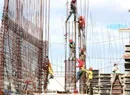
  • Working on scaffolding at construction sites 
  • Operating near open edges, pits, or fragile surfaces 

The key point to understand is that what is considered working at height is determined by the possibility of a fall, not by a fixed measurement in meters or feet. This is why following proper working at height safety rules is essential in all such situations. 

What Height Is Considered Working at Height? 

The simple answer to what height is considered working at height is this: there is no fixed minimum height. Any work where a person could fall and be injured is classified as working at height under most work at height regulations. 

In practice, this means even tasks performed at low levels can fall under working at height safety rules if there is a risk of a fall. The emphasis is always on the potential for injury, not the exact measurement in meters or feet. 

Here is how different standards approach it: 

  • India (Factories Act and IS standards): Focus on identifying fall hazards and implementing controls where there is a risk of falling from any height. 
  • UK (Work at Height Regulations 2005): Defines working at height as any place where a person could fall a distance liable to cause personal injury. 
  • USA (OSHA): Requires fall protection at specific thresholds (for example, 4 feet in general industry, 6 feet in construction), but still recognizes lower heights as risks depending on conditions. 

Key Takeaways 

  • There is no universal minimum height for working at height 
  • Even work below 2 meters can be hazardous without proper controls 
  • Compliance with work at height regulations depends on risk assessment, not just height 

Working at height is any work where a person could fall and get injured, regardless of the height. This is why proper fall protection systems and working at height safety rules must be followed at all levels. 

Why Even Low Heights Can Be Dangerous 

Many people believe only high places are dangerous. This is not true. A large number of working at height risks happen at low levels. Even a fall from 1 to 2 meters can cause serious injuries like fractures, head injuries, or long-term damage if safety measures are missing. 

Common real-life situations: 

  • Slipping from a step ladder while doing maintenance 
  • Losing balance on a low platform without guardrails 
  • Working near an open edge or floor opening 

These examples show that fall from height safety is about risk, not just height. Simple issues like wet floors, incorrect ladder use, poor supervision, or lack of working at height PPE can quickly lead to accidents. 

What the data shows: 

  • Over 50 to 60 percent of fall-related injuries happen from heights below 2 meters 
  • Common injuries include fractures, head injuries, back injuries, and muscle damage 

This clearly proves that working at height safety rules must be followed at all levels, even for low-height tasks. 

Ignoring these risks can lead to lost workdays, project delays, and legal issues. The danger is real but preventable. With proper planning, supervision, and use of fall protection systems, organizations can reduce risks and keep workers safe. 

Common Scenarios Considered Working at Height  

Working at height is not limited to construction sites or tall structures. Many everyday tasks across industries fall under working at height activities when there is a risk of falling. 

Here are some common scenarios based on the working at height definition: 

  • Working on ladders or step ladders: Used for maintenance, inspection, or repair tasks where balance and stability are critical 
  • Roof repair or maintenance: Includes cleaning, fixing leaks, or installing equipment on rooftops 
  • Scaffolding work: Common in construction, where workers operate at elevated platforms 
  • Loading and unloading trucks: Workers climbing onto vehicles or containers are exposed to fall risks 
  • Working near pits, edges, or openings: Open areas without proper protection increase the chances of accidental falls 
  • Warehouse racking operations: Climbing or accessing high storage areas without proper fall protection systems 

Each of these situations involves a potential fall hazard, which makes them part of working at height safety rules. The key is to identify the risk early and apply proper safety measures, including working at height PPE and supervision. 

Understanding these scenarios helps organisations and workers recognise risks in daily tasks and take preventive action before incidents occur. 

Key Risks Associated with Working at Height 

Key Risks Associated with Working at Height 

Working at height involves several hazards that can lead to serious injuries if not properly managed. Understanding these working at height risks is the first step toward preventing incidents and improving fall from height safety across the workplace. 

Major risks of work at height​

  1. Falls from edges: Unprotected edges, roofs, or platforms can lead to sudden and severe falls 
  2. Slips and trips: Wet, uneven, or cluttered surfaces increase the chances of losing balance 
  3. Falling objects: Tools or materials dropped from height can injure people working below 
  4. Structural instability: Weak ladders, damaged scaffolding, or unstable platforms can fail without warning 
  5. Weather conditions: Wind, rain, or poor visibility can make working at height more dangerous 

These risks are often interconnected. For example, poor weather combined with improper equipment can significantly increase the chances of an accident. This is why relying only on experience is not enough. A structured approach is required. 

To control these hazards, organisations must carry out proper risk assessments and implement reliable fall protection systems. Following working at height safety rules and using the right working at height PPE can greatly reduce the likelihood of accidents and ensure safer operations.  

Essential Safety Measures for Working at Height 

Preventing accidents while working at height requires a structured and proactive approach. Simply relying on experience is not enough. Organisations must follow clear working at height safety rules and implement the right controls to reduce risks. 

Here are the essential safety measures that should be followed: 

  • Risk Assessment: Before starting any task, identify potential hazards such as edges, openings, unstable surfaces, or weather conditions. A proper risk assessment helps in planning safe work methods. 
  • Use of Proper Equipment: Always use suitable equipment like scaffolds, ladders, and guardrails. Ensure they are stable, well-maintained, and appropriate for the task. 
  • Fall Protection Systems: Install and use fall protection systems such as safety harnesses, lifelines, and secure anchor points. These systems are critical in preventing serious injuries in case of a fall. 
  • Personal Protective Equipment (PPE): Workers must use proper working at height PPE, such as helmets, anti-slip footwear, and safety harnesses to reduce the impact of potential falls. 
  • Training and Supervision: Provide certified work at height training to workers and ensure proper supervision during tasks. Trained workers are more aware of risks and follow safety procedures effectively. 

Implementing these measures not only improves fall from height safety but also helps organisations stay compliant with regulations. A strong safety system protects workers, reduces downtime, and builds a culture of responsibility. 

Organisations should take immediate steps to review their current safety practices and implement structured fall protection systems to ensure safer operations at every level. 

Conclusion 

Understanding what height is considered working at height is not about measuring distance. It is about identifying risk. Even a small height can lead to serious injury if proper precautions are not taken. This is why organisations must focus on risk assessment, planning, and strict adherence to working at height safety rules. 

By following the right safety measures, using proper equipment, and ensuring workers are trained, companies can significantly reduce working at height risks. Implementing fall protection systems and maintaining compliance with work at height regulations not only protects workers but also improves productivity and operational efficiency. 

Ignoring these risks can lead to accidents, downtime, and legal consequences. Taking proactive steps today can prevent incidents tomorrow. 

Ensure Safety at Every Height with CORE-EHS 

Take the next step toward safer operations. Connect with CORE-EHS to strengthen your workplace safety and build a zero-incident culture.

FAQ’S

There is no fixed minimum height. Any task where a person can fall and get injured is treated as work at height. The decision depends on risk, surface condition, and exposure, not just a number. Always assess hazards and apply appropriate controls before starting the job. 

Yes. Using a ladder is considered working at height because there is a clear risk of falling. Safe ladder setup, three-point contact, and proper supervision are essential to reduce accidents during routine maintenance or inspection tasks. 

Fall protection is required whenever there is a risk of injury from a fall. Even at low levels, factors like hard surfaces, sharp edges, or open gaps increase severity. Use guardrails, covers, or personal protection based on the risk assessment. 

Common causes include slips on wet or uneven surfaces, incorrect ladder use, missing edge protection, and poor housekeeping. Inadequate planning and lack of supervision also contribute to incidents across industries. 

Typical PPE includes a full-body harness, lanyard, helmet with chin strap, and anti-slip footwear. Selection depends on the task and environment. Equipment must be inspected and used with suitable anchor points for effective protection. 

Yes. Proper training improves hazard awareness, equipment use, and emergency response. Many organizations require formal certification to ensure workers understand procedures and can perform tasks safely. 

Book your Free Consultation

Fill out the form below, and we’ll arrange a consultation at a time most suitable for you.

    About the Author

    Author Image
    jkanand
    Mr. J K Anand, Founder and CMD of the CORE-EHS Group of Companies, is a transformative figure in the field of Environment, Health, and Safety (EHS). With over 29 years of pioneering experience across India and internationally, he is celebrated as a strategist, innovator, and safety evangelist. His leadership has shaped some of the world’s most complex industrial projects. As Managing Editor of B-Proactive, a premier EHS magazine, Mr. Anand actively leads industry dialogue on safety innovation, cultural transformation, and operational excellence. Under his visionary leadership, CORE-EHS has provided strategic EHS solutions to over 600 industries across India and in more than 30 countries worldwide, earning global recognition for its expertise, innovation, and results.

    Subscribe to Our Blog

    Sign up to receive notifications about the latest blogs from us!

      Suggested Articles

      top white arrow