 +91 72929 29159















In high-risk industrial environments, a single uncontrolled activity like welding near flammable materials, entering a confined space, or working on live electrical systems can lead to serious incidents. This is where the types of permit to work become critical. A safety work permit system is not just paperwork; it is a structured safety control that ensures hazardous tasks are properly assessed, authorized, and monitored.
Without a proper system, even routine maintenance can turn dangerous due to miscommunication or overlooked risks. In this guide, we will break down the different types of permit to work used across industries, why they matter, and how organizations can implement them effectively to improve safety and compliance.
What is a Permit to Work System?
A permit to work system is a formal safety process used to control High Risk & hazardous work activities. It ensures that risks are identified, necessary precautions are taken, and work is authorized before it begins.
In simple terms, it acts as a communication and control tool between different teams involved in high-risk tasks. It clearly defines what work will be done, where, by whom, and under what safety conditions.
For example, during a plant shutdown, maintenance teams may need to work inside equipment or perform repairs. A safety permit system ensures that energy sources are isolated, hazards are assessed, and approvals are obtained before work starts.
Why Permit to Work is Critical for Workplace Safety
A work permit system plays a key role in maintaining workplace safety compliance and preventing incidents in high-risk environments.
First, it ensures proper hazard identification before work begins. This reduces the chances of accidents caused by overlooked risks.
Second, it improves accountability by clearly defining roles and responsibilities for supervisors, workers, and safety teams.
Third, it enhances communication between departments. Many incidents occur due to a lack of coordination, especially during maintenance or shutdown activities.
For instance, if electrical work is carried out without proper isolation and communication, it can result in serious shock or arc flash incidents. A structured hazard control system prevents such situations.
Types of Permit to Work in Safety
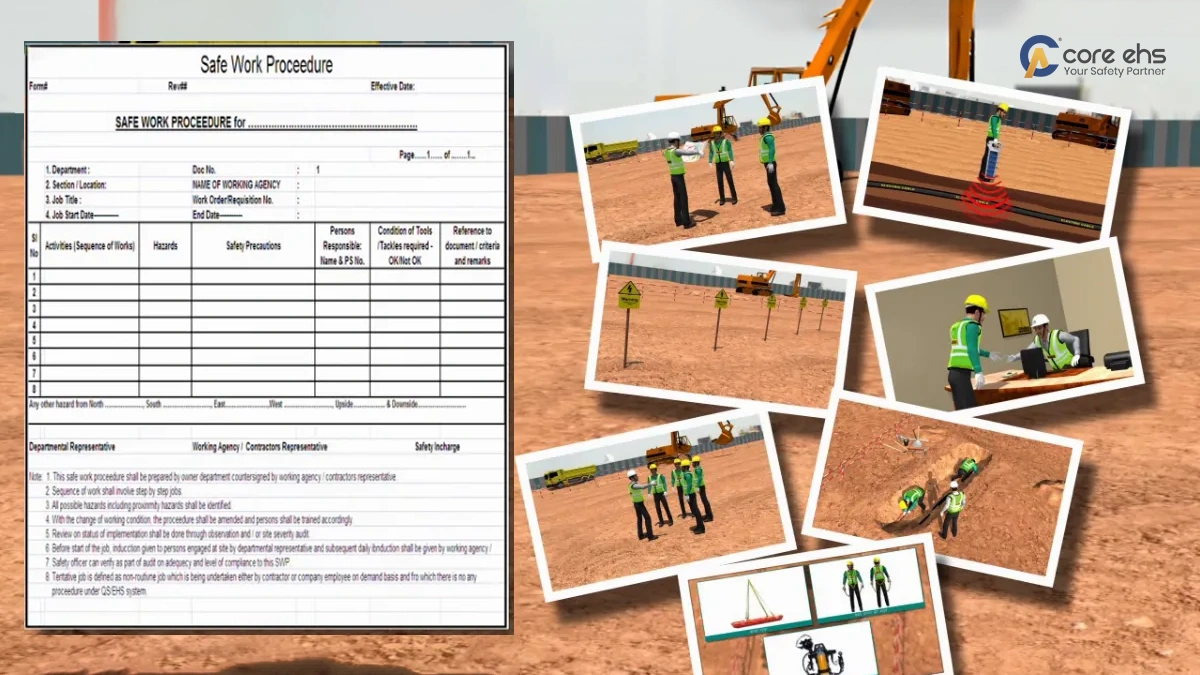
Understanding the different types of permit to work is essential for managing specific risks associated with various industrial activities.
1. Hot Work Permit
A hot work permit is required for activities that generate heat, sparks, or flames such as welding, cutting, or grinding. These tasks carry a high risk of fire and explosion, especially in areas with flammable materials. Proper precautions like fire extinguishers and fire watch are mandatory. For example, welding near a fuel storage area requires strict control.
2. Cold Work Permit
A cold work permit is used for tasks that do not produce sparks or heat, such as mechanical maintenance or assembly work. Although the risk is lower compared to hot work, hazards like slips, trips, and equipment-related injuries still exist. For example, routine equipment servicing requires controlled authorisation.
3. Confined Space Entry Permit
A confined space entry permit is required when workers enter tanks, silos, or pipelines where ventilation is limited. These spaces may contain toxic gases or have low oxygen levels. Gas testing and rescue plans are essential. For example, cleaning a storage tank requires strict confined space control.
4. Electrical Work Permit
An electrical work permit is used for tasks involving electrical systems, especially high-voltage work. It ensures that proper isolation, lockout, and tagout procedures, and safety precautions are followed. Risks include electric shock and arc flash. For example, repairing a live electrical panel requires authorization.
5. Work at Height Permit
A work at height permit is required for tasks performed above ground level, such as scaffolding or roof work. The main risk is falls, which can lead to severe injuries. Safety measures like harnesses and guardrails are mandatory. For example, maintenance on elevated platforms requires supervision.
6. Excavation Permit
An excavation permit is needed for digging or trenching activities. These tasks carry risks such as underground utility damage, cave-ins, and worker injury. Proper assessment and marking of utilities are required. For example, digging near pipelines requires prior approval.
7. Critical Lifting Permit
A lifting permit is used for crane operations and heavy load handling. It ensures proper planning, load calculations, and rigging safety. Risks include load or equipment failure. For example, lifting heavy machinery requires a certified lifting plan.
8. Isolation Permit
An isolation permit ensures that all energy sources such as electrical, mechanical, or hydraulic are safely isolated before maintenance work. This prevents accidental startup of equipment. For example, servicing machinery requires complete energy isolation.
Key Elements of an Effective Permit to Work System
An effective Job Permit System includes the following key elements:
- Risk assessment: Identify hazards before starting work
- Authorisation: Ensure proper approval from responsible personnel
- Validity: Define the time duration of the permit
- Communication: Share information with all involved teams
- Close-out of the permit
- Documentation: Maintain records for tracking and audits
Do’s and Don’ts of Permit to Work
Adhering to best practices and avoiding common pitfalls is crucial for an effective Safety Work Permit System. Use the quick reference table below for better clarity and faster understanding on-site.
| Do’s (Best Practices) | Don’ts (Common Mistakes in Permit to Work Implementation) |
| Conduct comprehensive training: Ensure all personnel understand the PTW process and their roles. | Skip risk assessments: Never start work without identifying and controlling hazards. |
| Perform thorough risk assessments: Evaluate hazards and document controls before work begins. | Ignore unauthorised work: Do not allow tasks without an approved permit. |
| Verify authorisation and approvals: Get proper sign-offs at each stage of the permit process. | Neglect training: Do not assume workers know the process without formal training. |
| Use digital templates and forms: Standardize permits to reduce errors and improve speed. | Delay communication: Avoid late updates that can create confusion and risk. |
| Ensure clear communication: Keep all teams aligned on permit status and safety measures. | Overlook documentation: Incomplete records can lead to missed safety steps. |
| Maintain updated records: Track permit status, incidents, and learnings for audits. | Forget about PPE: Never allow work without proper protective equipment. |
| Regularly review procedures: Update PTW processes with new standards and lessons learned. | Disregard permit closure: Always close permits properly after verifying safe completion. |
How Digital Permit to Work Systems Improve Safety
A e-permit to work system helps organisations move beyond manual processes and improve safety performance.
It enables real-time approvals, faster communication, and better tracking of work activities. Supervisors can monitor permits through mobile devices, reducing delays and improving coordination.
Digital systems also enhance compliance by maintaining proper records and audit trails. Integration with EHS software allows organisations to connect permits with incident reporting, inspections, and risk assessments.
As a result, companies can reduce incidents, improve efficiency, and ensure better control over high-risk activities.
If you are looking to improve your safety processes, CORE-EHS can help you implement a smarter and more efficient electronic permit to work system.
Conclusion
Understanding the different types of permit to work is essential for managing workplace risks effectively. Each permit is designed to control specific hazards and ensure safe execution of tasks.
A well-implemented permit to work system not only improves safety but also strengthens compliance and operational efficiency.
Organisations that invest in structured and digital PTW systems are better equipped to prevent incidents and create safer workplaces.