Decoration Border
Decoration Border

MODULE:SAFETY TRAINING

Deliver immersive, site-relevant, and risk-free training for high-risk operations with custom VR based safety training solutions built for industrial teams worldwide.

VR Safety Training Solutions for Industrial Workplaces

Deliver immersive, site-relevant, and risk-free training for high-risk operations with custom VR based safety training solutions built for industrial teams worldwide.

Get a free demo

Experience Risk-Free, Realistic Training with VR Simulations

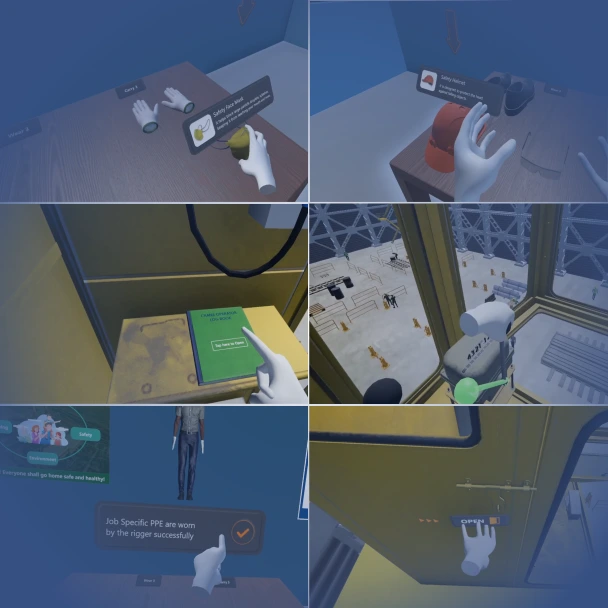
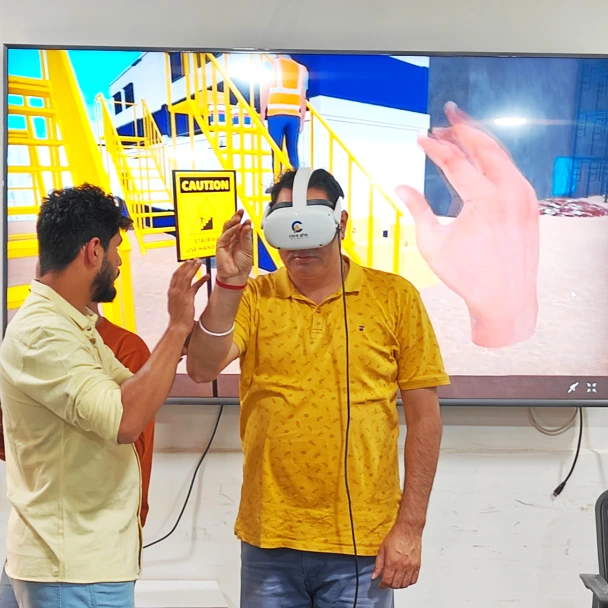
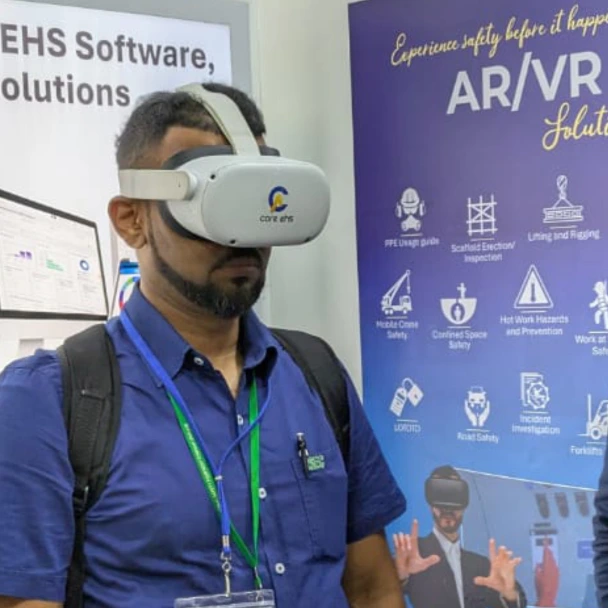
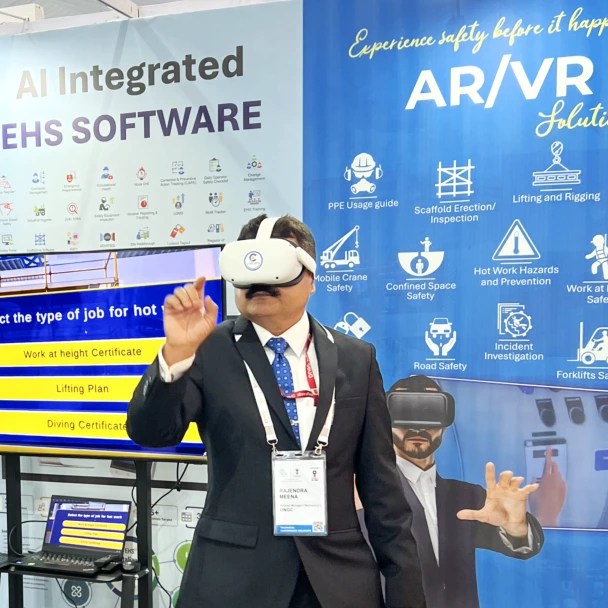
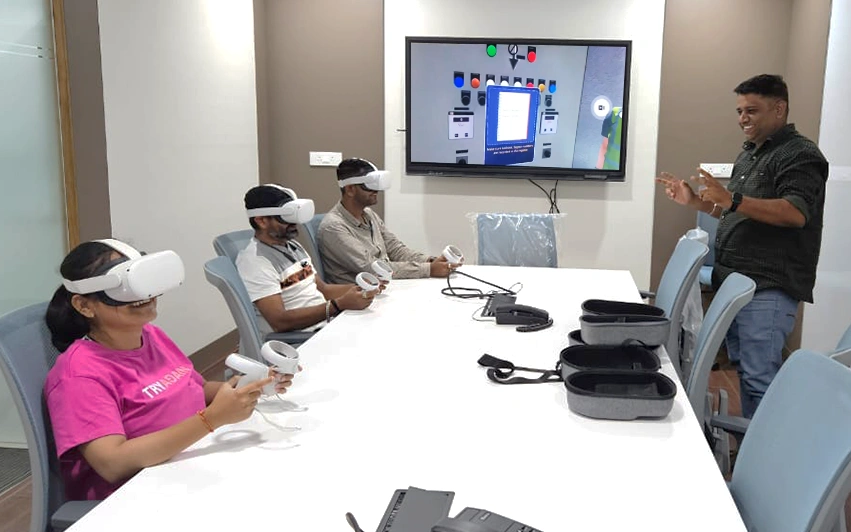
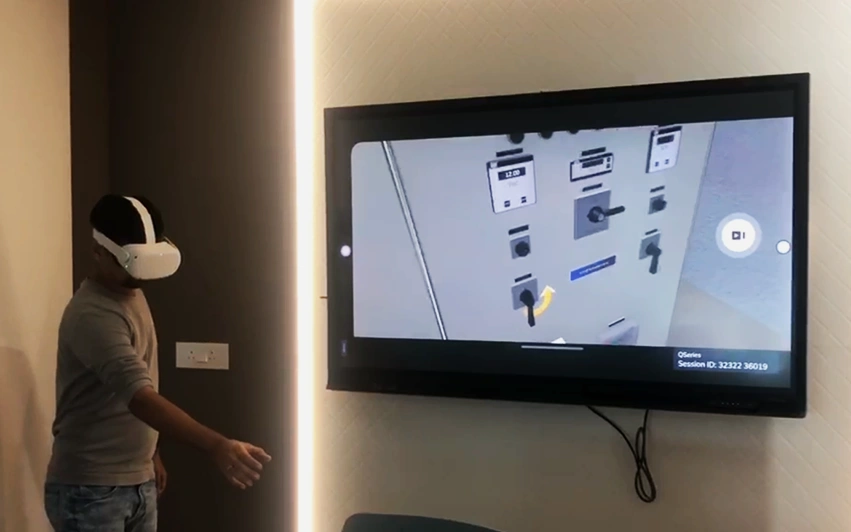
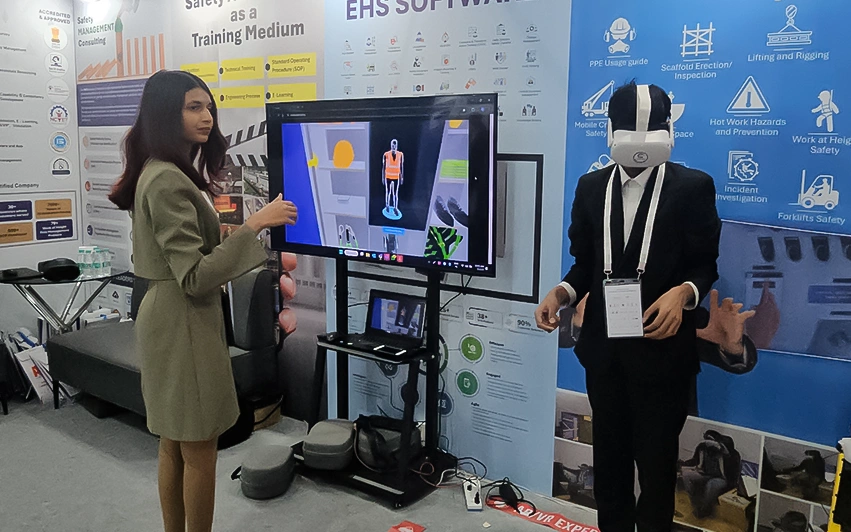
We are pioneering the transformation of Industrial Training & Safety Education through the innovative application of AR/VR & Simulation technologies. With our advanced Augmented Reality (AR) & Virtual Reality (VR) solutions, we offer immersive and interactive training experiences that place trainees in lifelike industrial environments. This approach not only enhances learning outcomes but also ensures that trainees can practice and understand safety protocols and machinery operations in a risk-free, controlled setting

Customized & developed as per client specifications, by inhouse team of safety experts, modelers & developers, our modules are a perfect blend of technology and practicality, aimed at elevating safety standards & operational efficiency across various industrial sectors.

Proven Results from Our VR Safety Training Solutions

Industrial organizations across multiple sectors are using CORE-EHS Virtual Reality Safety Training to improve workforce competency and reduce operational risk.

200+

Dumper Operators Trained Using Advanced Simulator Technology

193

EOT Crane Operators Covered Since July 2024 Through Simulator Training

112

Operators Successfully Qualified Out of 142 Assessments Conducted

200+

Professionals Trained in VR Modules on Electrical Safety, Construction Safety & Remote Crane Operations

40+

Specialized VR Training Modules Developed for High-Risk Industrial Operations

Why Industrial Companies Are Adopting VR based Safety Training

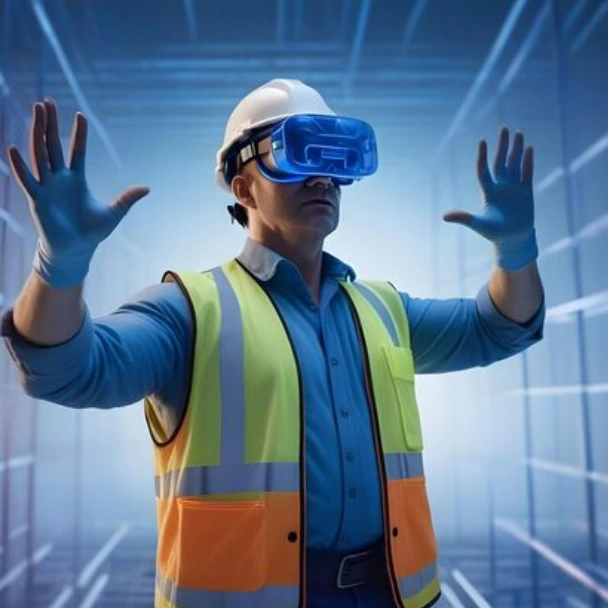
Virtual reality safety simulation creates immersive learning environments where workers can interact with real industrial hazards without facing actual risk. Compared with traditional classroom training, Immersive safety training significantly improves hazard recognition, decision-making, and safety awareness.

Improved Learning Engagement

Virtual reality creates a captivating and participatory learning setting, enabling participants to interact with lifelike simulations. Such first-hand involvement boosts memory retention and comprehension over conventional training approaches.

Secure and Regulated Setting

Virtual reality training provides a setting where learners can perform tasks and operations safely within a virtual space. This method minimizes the dangers that come with physical training, particularly in sectors with high risks or dangerous conditions.

Savings in Expenses and Duration

Virtual reality training removes the necessity for costly real-world equipment, journey costs, and the use of materials for educational goals. Moreover, it diminishes the duration needed for educational workshops, given that learners can engage with virtual modules whenever and wherever.

Image 1 Image 1 Image 1 Image 1 Image 1

The Real Impact of VR on Safety and Competency Training

The Real Impact of VR on Safety and Competency Training

Realistic Hazard Identification

Virtual reality exposes workers to real site hazards in a safe digital space. They learn to spot unsafe conditions, take corrective actions and build strong situational awareness. This helps reduce human error on the actual worksite.

The Real Impact of VR on Safety and Competency Training

Standardised Training Across All Locations

VR ensures the same quality of training is delivered to every worker, no matter where they are located. This helps organisations maintain consistent safety standards across plants, sites and shifts.

The Real Impact of VR on Safety and Competency Training

Custom Scenarios for Your Worksite

VR modules can be customised to match your real workplace conditions, equipment and tasks. This gives employees hands-on practice in scenarios they face daily, improving job readiness and confidence.

The Real Impact of VR on Safety and Competency Training

Increased Employee Confidence and Skill Application

By repeatedly practicing high-risk tasks in VR, workers become more confident in handling real emergencies. This builds stronger decision-making skills and better on-ground performance.

The Real Impact of VR on Safety and Competency Training

Better Learning for New or Inexperienced Workers

VR allows new employees to learn at their own pace, get familiar with site conditions and understand hazards before entering the real work area. This improves onboarding and reduces initial risk.

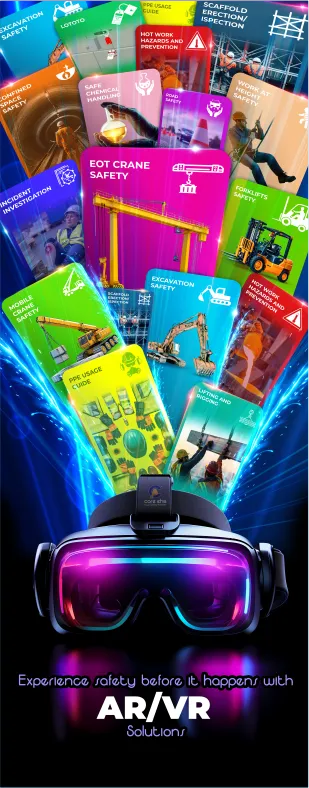
Virtual Reality Safety Training Modules for High-Risk Industrial Operations

Our VR Health and Safety Training include industry-specific modules designed to train workers in high-risk tasks commonly found in industrial workplaces.

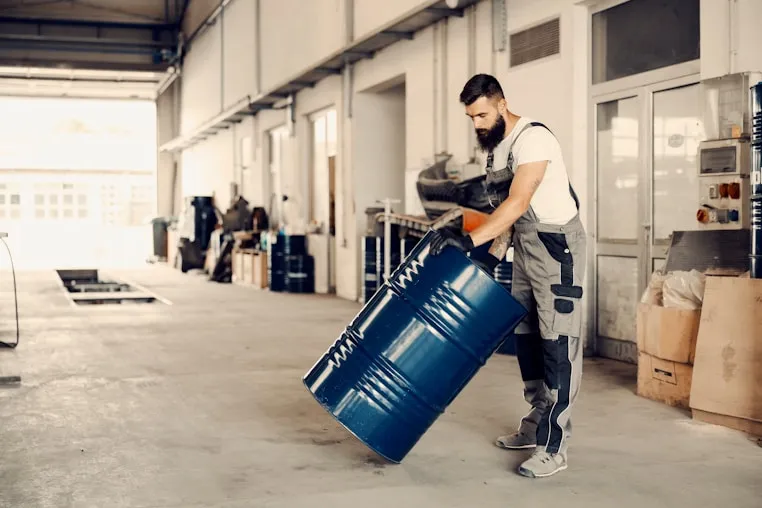
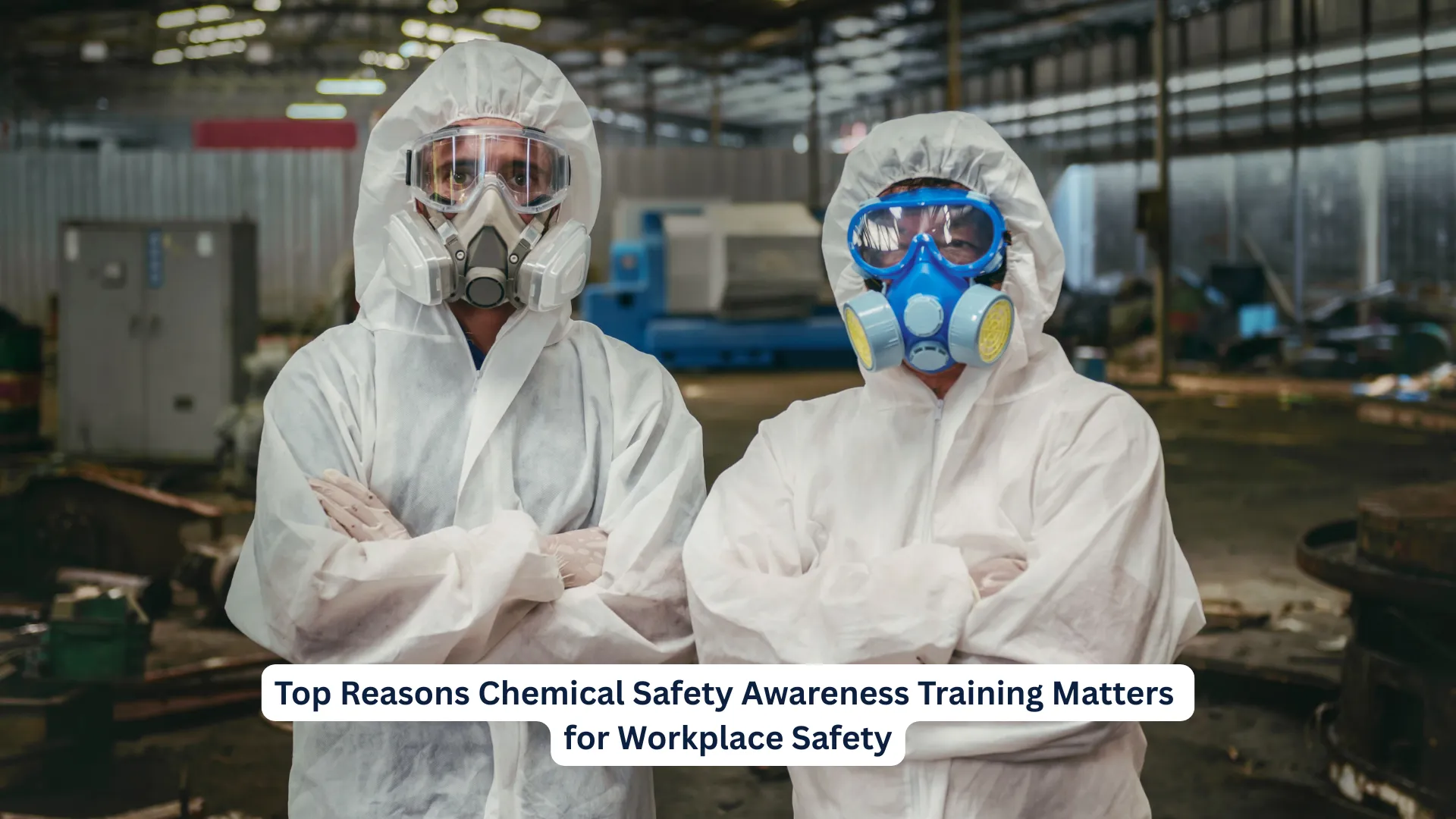
Chemical handling

Chemical handling

Chemical handling

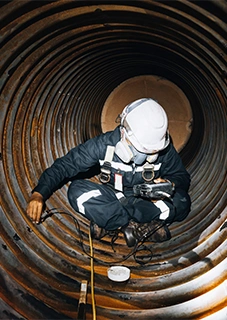
Confined Space

Chemical handling

Conveyor Belt Safety Training

Chemical handling

Electrical Energy Isolation Training

Chemical handling

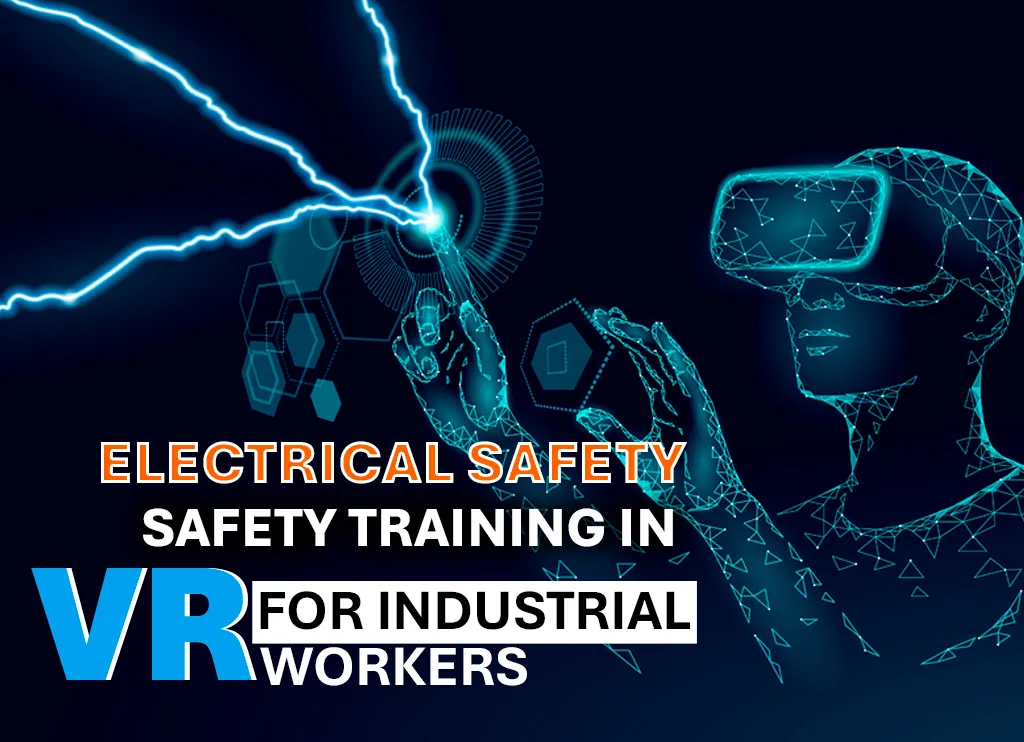
Electrical Safety

Chemical handling

EOT Crane

Chemical handling

Fire Safety

Chemical handling

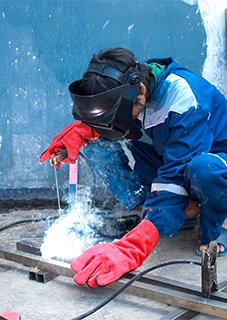
Hot Work - Arc Welding

Chemical handling

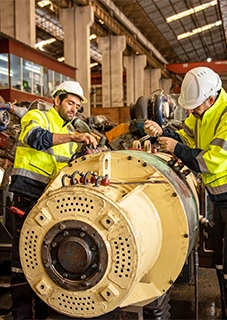
HT Motor Replacement

Chemical handling

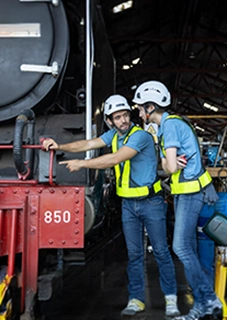
Loco Operator Safety

Chemical handling

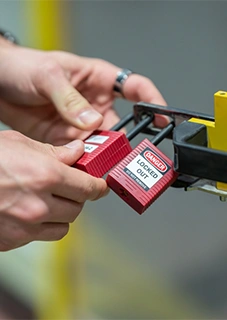
LOTOTO

Chemical handling

Mobile Cranes

Chemical handling

Scaffold Erection and Dismantling Training

Chemical handling

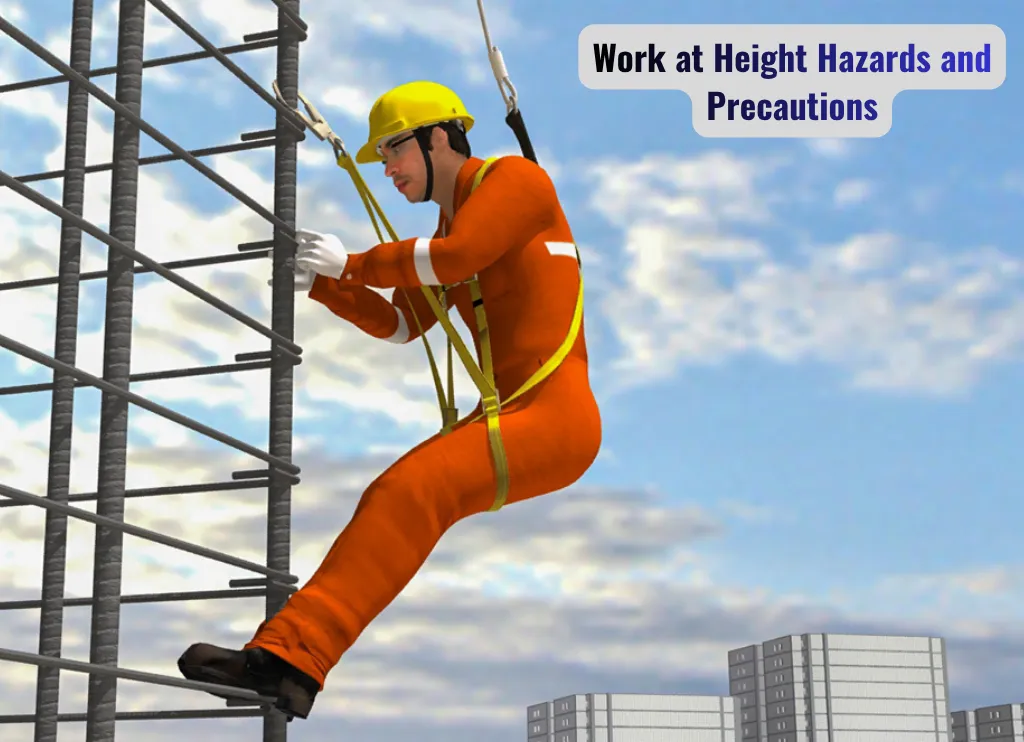
Work At Height

Experience Risk-Free, Realistic Training with VR Simulations

How We Design Custom VR Training Experiences for Industrial Safety

Our team combines industrial safety expertise with advanced virtual reality development to create immersive training environments.

Icon
Right Arrow
Client
Content to be covered in the movie

Icon
Right Arrow
CORE-EHS
Writing the script of the movie based on content
Icon
Right Arrow
Client
lteration & approval of script
Icon
Right Arrow
CORE-EHS
Providing list of relevant Images/photographs
Icon
Right Arrow
Client
Submitting images/photographs
Icon
Right Arrow
CORE-EHS
Creating of story-board (along with 3D models of characters, locations, buildings,equipment etc.)
Icon
Right Arrow
Client
Iteration & approval of story-board and 3D models
Icon
Right Arrow
CORE-EHS
Production of animation movie and submission of first draft
Icon
Right Arrow
Client
Iteration & approval of first draft
Icon
Right Arrow
CORE-EHS
Delivery of final movie
Image
Image
Image
Diagram

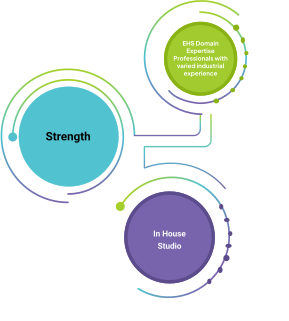
Domain Expertise:

Our team includes experienced EHS professionals and VR developers who design realistic safety training scenarios based on actual industrial hazards and operational procedures.

“ We understand the technical(EHS) aspect of content”

In House Studio:

A highly professional team of animation experts with innovative ideas to bring life to the movies.

Leave it to us

Here’s what we've been up to recently.

Our aim is to keep the client’s efforts for the product, MINIMUM."

Blogs

Here’s what we've been up to recently.

View all

To know more about us

Frequently Asked Questions

VR safety training uses virtual reality technology to simulate real-world hazards and work environments, allowing users to learn and practice safely.

VR is used because it provides immersive, hands-on learning without exposing participants to actual risk, improving retention and decision-making.

While initial setup may be higher, VR training is cost-effective in the long term due to reduced accidents, repeatable training, and improved outcomes.

VR training programs are suitable for workmen, supervisors, engineers, safety officers, managers, and leadership teams, depending on learning objectives.

Yes. VR training helps reduce accidents by improving hazard recognition, response time, and safe behaviour in high-risk situations.

Yes. VR and simulation training can be scaled across multiple sites and locations, ensuring consistent training delivery.

CORE-EHS combines EHS domain expertise with advanced immersive technology to deliver practical, impactful, and future-ready safety training solutions.

VR training typically requires VR headsets, controllers, and a compatible system, which can be arranged by the training provider.

VR training offers experiential learning, while classroom training is knowledge-based. VR allows learners to experience hazards rather than just hear about them.

Session duration varies based on training objectives and number of scenarios, typically ranging from short modules to full-day programs.

Images
Background Image

Let's Transform your Safety Culture!

    top white arrow