+91 72929 29159



RACI Software
Projects fail not because of lack of effort, but because of unclear roles and responsibilities. Miscommunication, overlapping tasks, and accountability gaps often derail project timelines and outcomes.




 Solutions

All your EHS & ESG needs
Empowering responsible decisions through unified EHS and ESG solutions

Read our success stories
Explore how we have transformed safety cultures with our EHS solutions.
.
.
Resources
About Us
Our Mission
Our mission is to empower industries to achieve their safety, health,and environmental objectives, integrating Environmental, Social, and Governance (ESG) principles into our strategic insights, expert guidance, and innovative solutions. We are dedicated to advancing sustainable and responsible practices across all sectors.
Our Vision
Our vision is to become the foremost provider of exceptional safety services, enabling organizations to not only meet but excel in their safety, health, and environmental goals, while fully embracing and
implementing ESG standards for a sustainable future.
Every Visitor. Every Check. Every Safety.
CORE VisitSafe – A smart digital platform that manages visitor registration, safety briefing, and access control to ensure secure, compliant, and incident-free site visits.
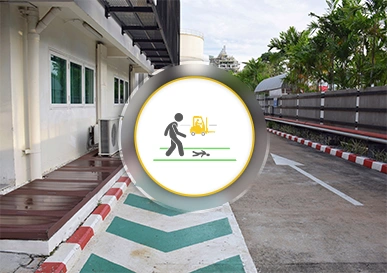
Visitors entering industrial facilities, manufacturing plants, or construction sites must be aware of potential hazards, safety protocols, and emergency procedures to maintain a safe and compliant work environment. Manual visitor tracking can be time-consuming, error-prone, and difficult to audit — leaving critical safety gaps. CORE VisitSafe is an advanced Visitor Safety Management Software that streamlines the entire process — from digital registration and safety induction to access authorization and real-time tracking. It ensures every visitor is properly briefed on EHS policies, site safety guidelines, and PPE requirements before entering restricted zones. By integrating seamlessly with your existing safety systems, CORE VisitSafe enhances both security and operational efficiency, ensuring a safer workplace for all.








VisitSafe – Trusted Safety Software for Modern Industries
VisitSafe incident management Solution improves safety and compliance with real-time reporting, faster investigations, and risk prevention.
Contact Us
Supports safety teams in managing safety activities, organizing reports, and improving overall safety performance across the organization.

Gives leaders better visibility into safety performance and trends, helping them make informed decisions and support risk reduction efforts.

Enables employees to follow safety processes easily, report issues when needed, and stay actively involved in improving workplace safety.
Organizations managing visitors manually often struggle with:

Paper-based systems fail to restrict unauthorized or untrained visitors.

Visitors skip critical EHS inductions due to lack of automation.

Difficulty accounting for all visitors during drills or crises.

No real-time visibility of who is inside which zone at a given moment.

Incomplete or missing visitor logs create audit and liability risks.

Manual entry and badge issuance slow down gate operations.
With a top-notch Visitor Safety Management Software, businesses can experience:

Engineering

Automobiles

Automotive & Mobility

Power
Iron & Steel

Cement Industry

Metal & Mining

Shipping & Marine

Construction & Infrastructure

Chemicals & Fertilizer

Pharmaceutical& Life Science

Food FMCG & Agriculture

Electrical & Electronics

Retails & Consumer Durable
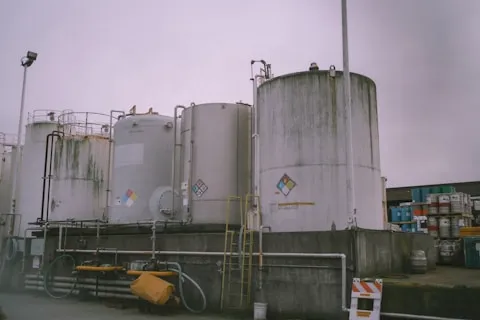
Petrochemical, Oil, Gas & Refinery
With Core ehs, organizations gain access to a range of powerful capabilities, such as:








To know more about us
Industries such as manufacturing, construction, oil and gas, power, chemicals, infrastructure, logistics, mining, and pharmaceuticals commonly use EHS safety software due to complex operations and strict compliance requirements.
A safety software platform typically includes incident reporting, hazard and near-miss management, inspections and audits, corrective action tracking, document control, dashboards, and analytics to support informed decision-making.
Businesses should consider ease of use, scalability, customization, regulatory alignment, data security, integration capabilities, implementation support, and the provider’s experience in safety and compliance management.
Companies measure ROI through reduced incident rates, fewer lost-time injuries, improved compliance scores, lower administrative effort, faster reporting, and better use of safety data for decision-making.
Traditional safety audits are periodic and manual, while EHS safety software enables continuous monitoring, real-time reporting, and ongoing improvement. Software transforms audits from isolated activities into part of a live safety management process.
Yes. Many safety software solutions can integrate with existing HR, ERP, and other enterprise systems to share data, reduce duplication, and create a connected digital safety ecosystem.
Digital safety management systems improve efficiency, reduce manual paperwork, enhance visibility of risks, support data-driven decisions, and create a more proactive safety culture across the organisation.
EHS management software supports compliance by standardising procedures, maintaining audit-ready records, tracking corrective actions, and providing visibility into compliance status across sites, making it easier to meet regulatory and internal safety requirements.
EHS safety software is a digital platform used to manage workplace safety processes in one system. It improves safety by enabling faster hazard reporting, better incident tracking, consistent inspections, and timely corrective actions, helping organizations prevent incidents rather than react to them.
Stay updated with insights on safety software, risk management, process safety, and regulatory compliance.
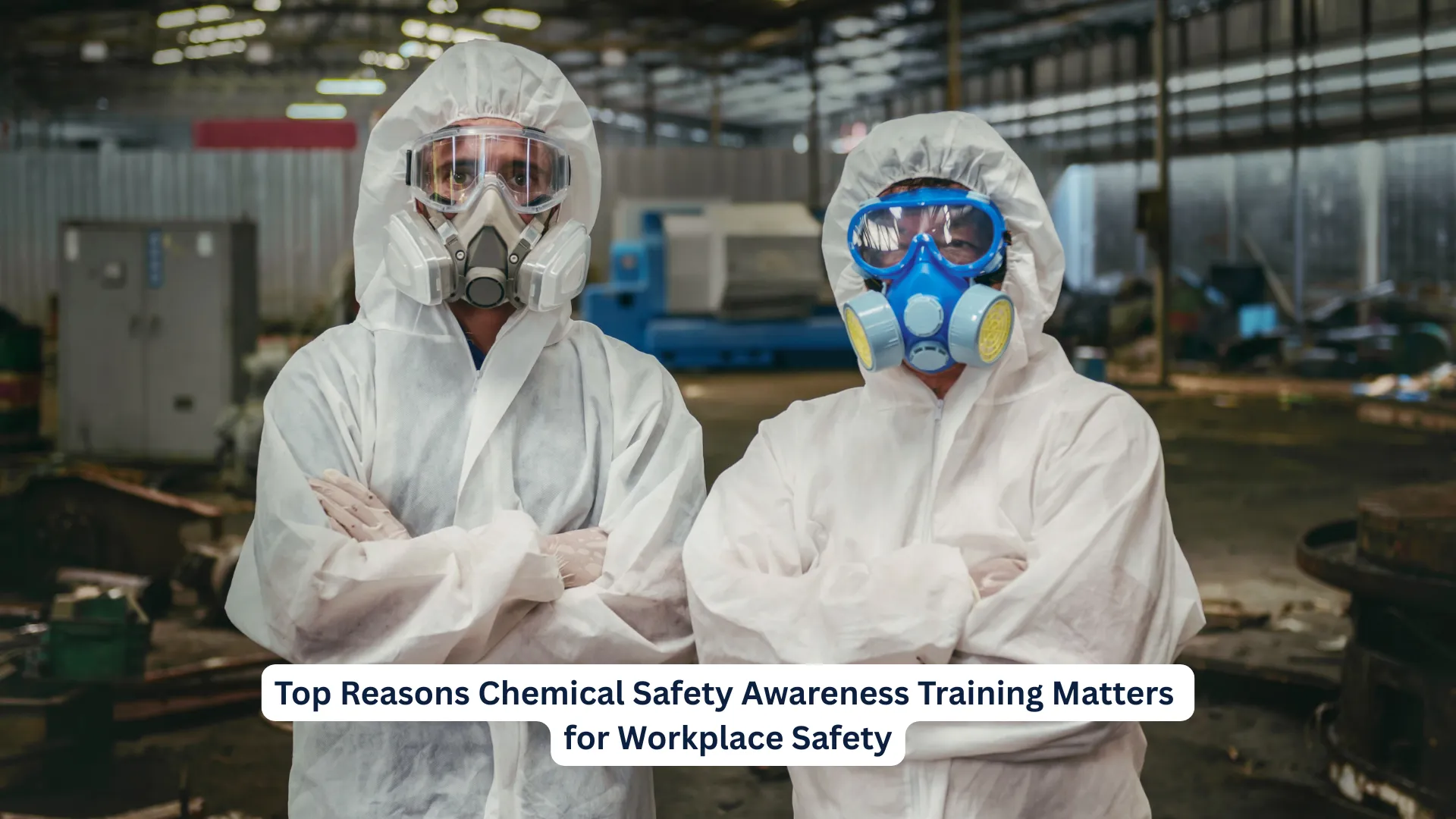
Walk into any modern industrial facility in 2026 and you will see something interesting.
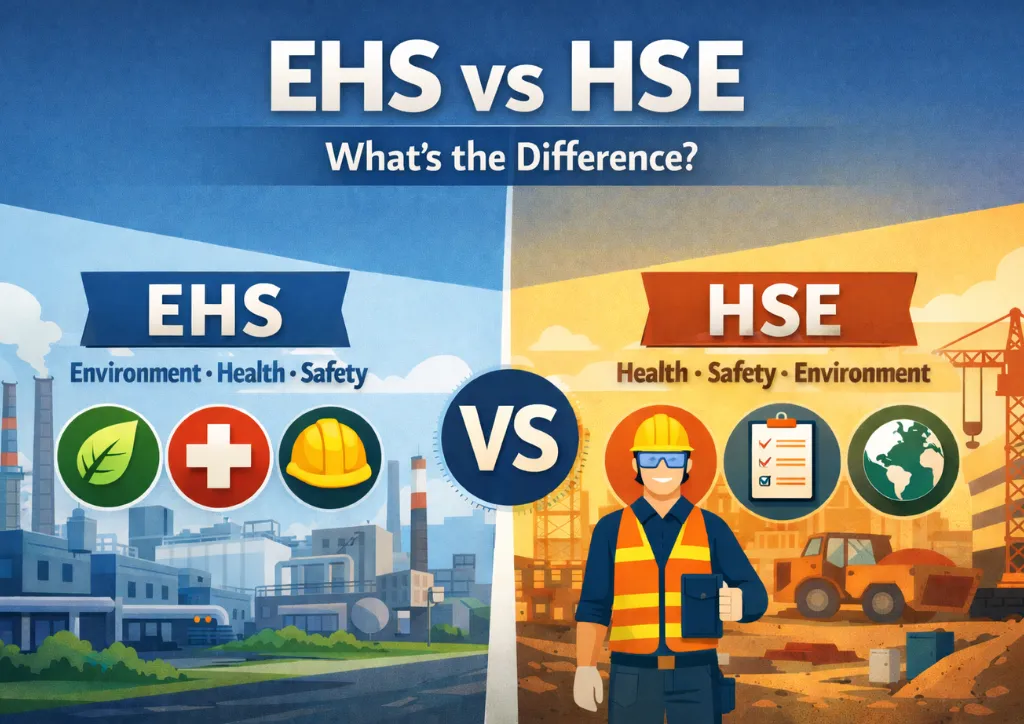
In the world of workplace safety and compliance, the difference between EHS and HSE is one of the most commonly searched and misunderstood topics.
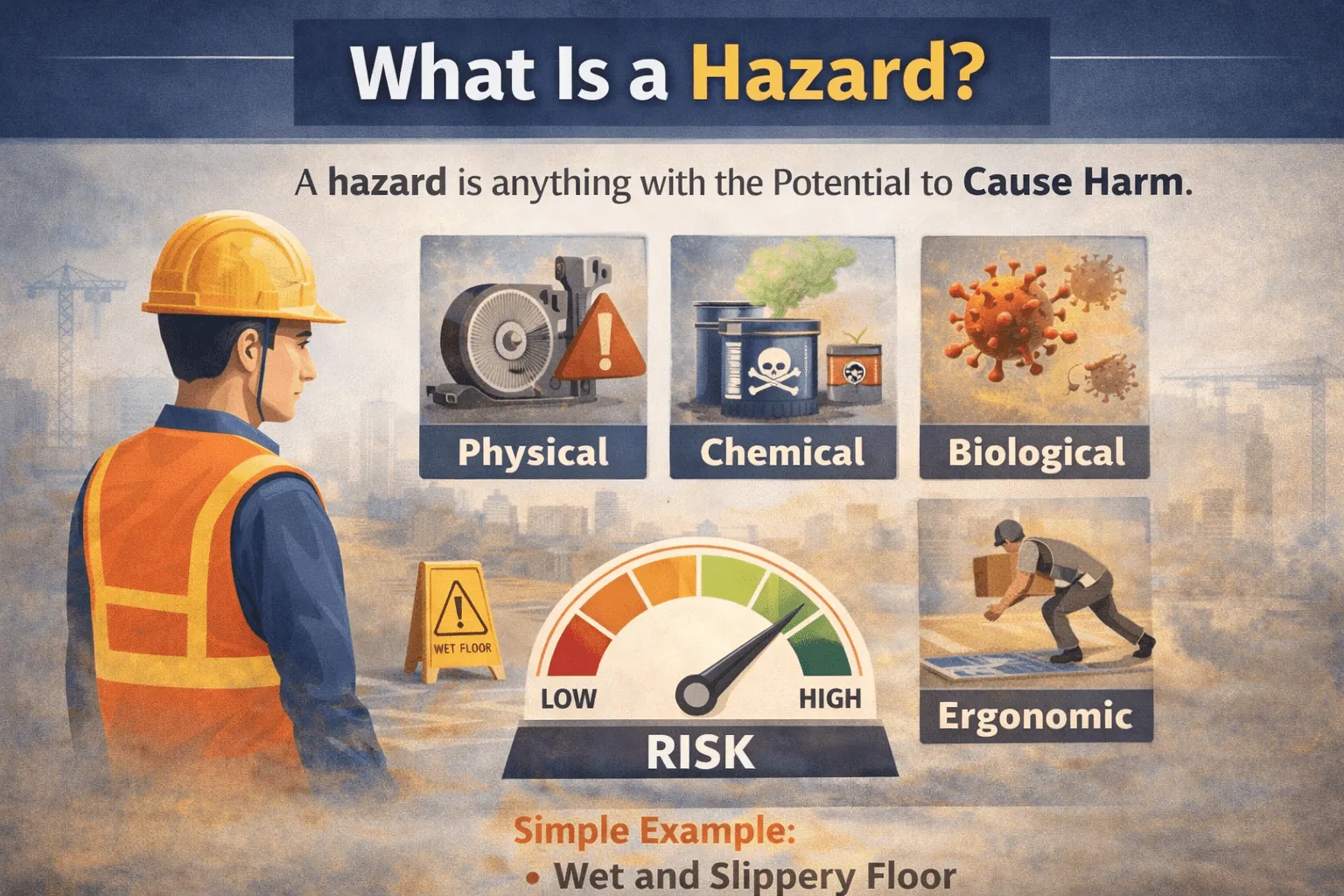
In workplace safety, the difference between hazard and risk is one of the most commonly misunderstood concepts.