Simulation

Simulation-Based Training with Actual Simulators for Industrial Applications

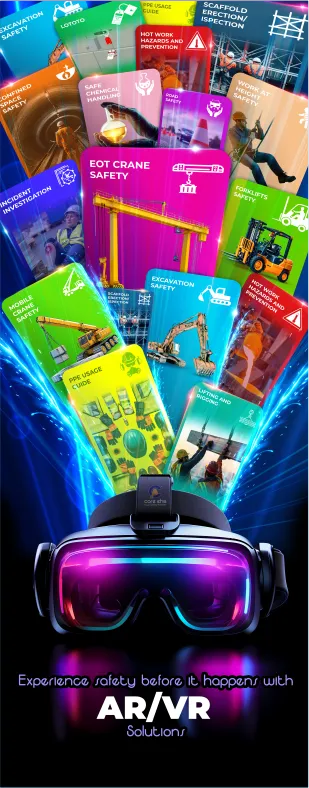
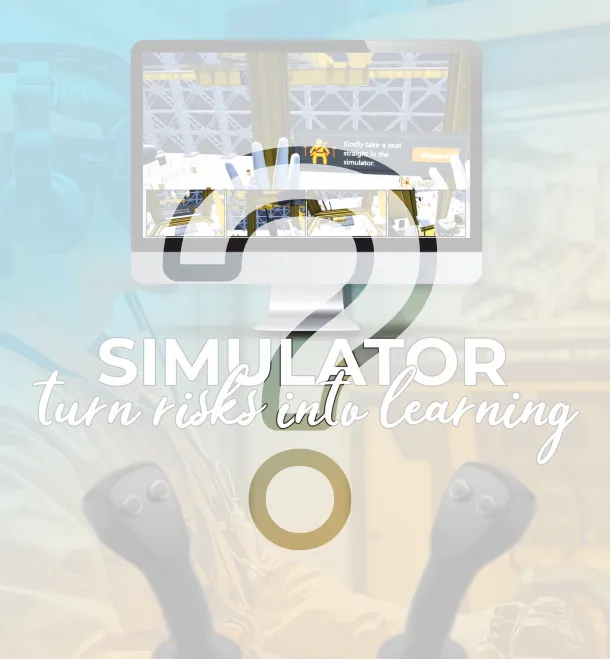
Simulation-based training with actual simulators offers an unmatched level of realism and hands-on experience for your workforce. This method allows trainees to practice critical tasks and operations in a controlled, highly realistic environment that mirrors actual industrial settings. By utilizing physical simulators alongside digital environments, your employees can engage with real-world scenarios, test their skills, and improve decision-making—all while maintaining safety.

What is Simulation-Based Training with Actual Simulators?

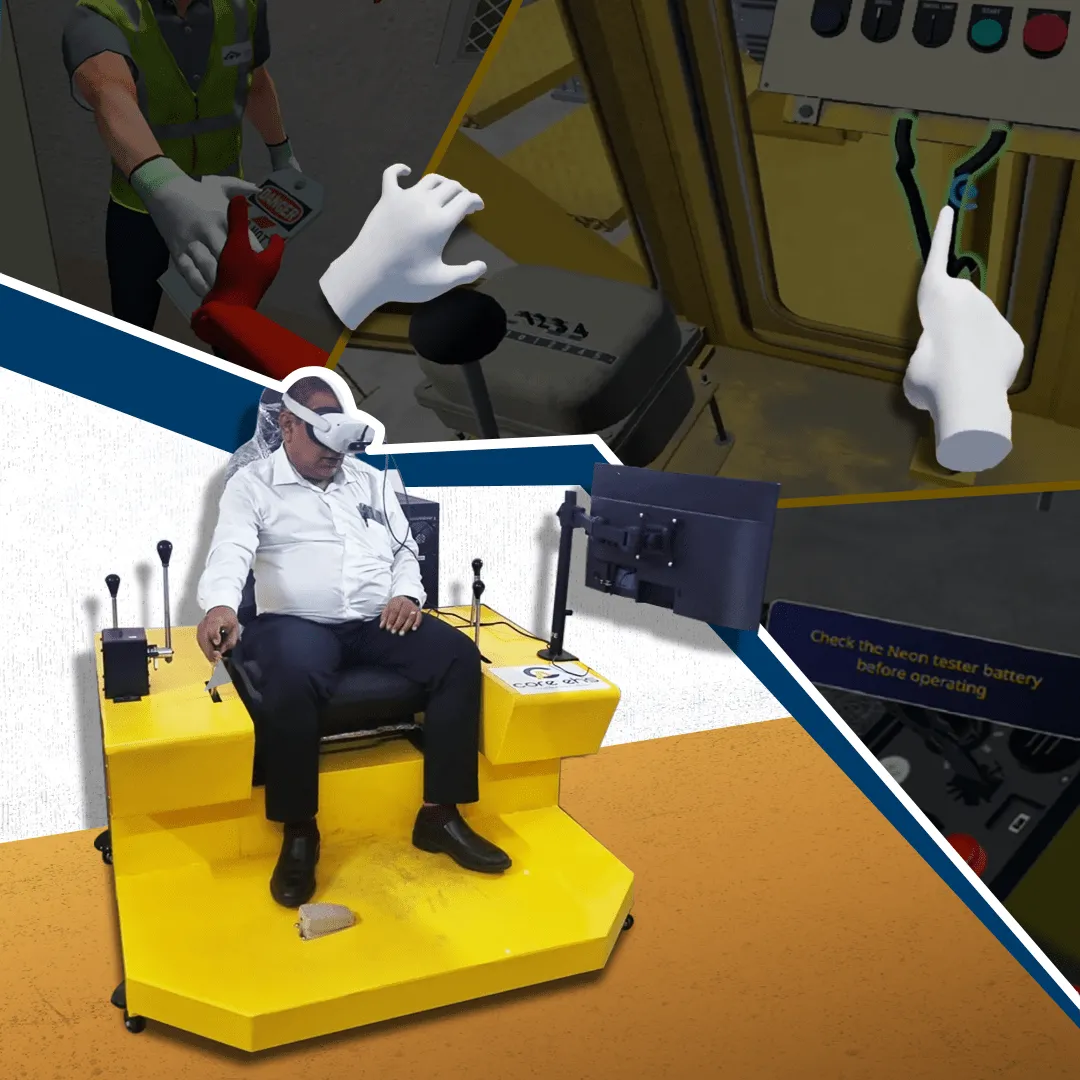
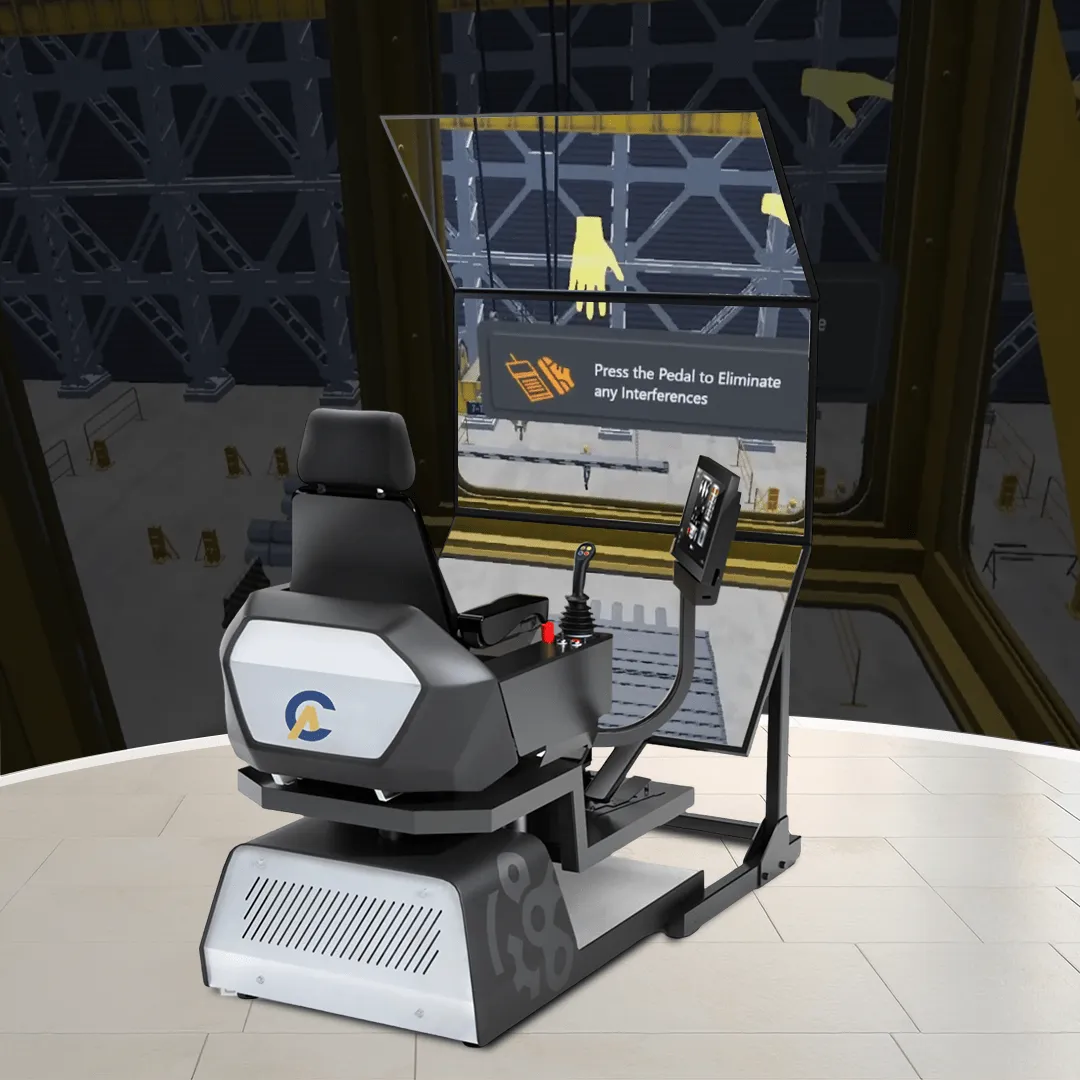
Simulation-based training using actual simulators combines digital simulations with physical models or equipment, allowing employees to interact with the same tools and machinery they would use in real-life situations. This approach provides a seamless blend of hands-on experience and theoretical learning, making it an ideal solution for industries that require practical skill development.

Key Features of Simulation-Based Training with Simulators

interaction-outlined

Realistic Interaction

Trainees work with actual machinery, tools, or system interfaces, gaining hands-on experience that is directly transferable to real-world tasks.

integration-general

Physical & Virtual Integration

The combination of physical simulators and virtual environments offers a comprehensive learning experience, ensuring employees can practice critical operations safely and effectively.

environment-outline

Controlled Environment

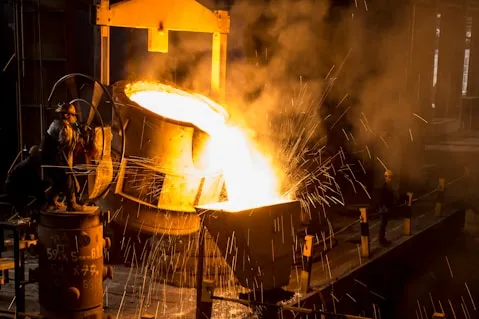
Simulators provide a safe space to practice high-risk tasks, allowing employees to make mistakes and learn without the risk of real-world consequences.

video-line

Customizable Scenarios

Our simulators can be tailored to replicate specific industrial processes, machinery operations, or emergency response scenarios unique to your business.

Simulate Real-World Risks Without Real-World Consequences

Advantages of Using Actual Simulators for Training

advantage1

Enhanced Skill Development

Employees gain hands-on experience with the actual tools and equipment they will be using on the job, improving their technical skills and confidence.

Risk-Free Learning

With physical simulators, trainees can safely practice high-risk operations and complex tasks without endangering themselves or damaging equipment.

Improved Decision-Making

Simulators allow employees to practice decision-making and problem-solving in real-time, ensuring they are better prepared for real-world challenges

Reduced Downtime

Training with simulators reduces the need to take expensive machinery offline for employee training, minimizing operational disruptions

Industries Benefiting from Simulation Training with Actual Simulators

advantage2

Aviation & Aerospace

Train pilots, engineers, and maintenance crews on real-world flight operations, aircraft systems, and emergency procedures using cockpit simulators.

Defense & Military

Provide military personnel with hands-on training in combat scenarios, vehicle operation, and tactical exercises using physical simulators.

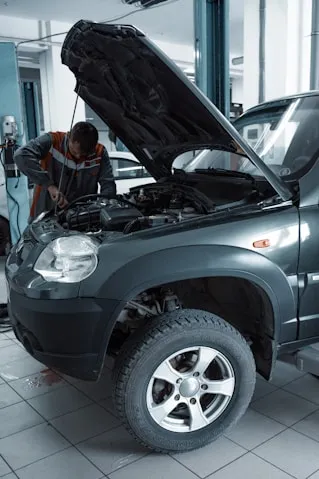
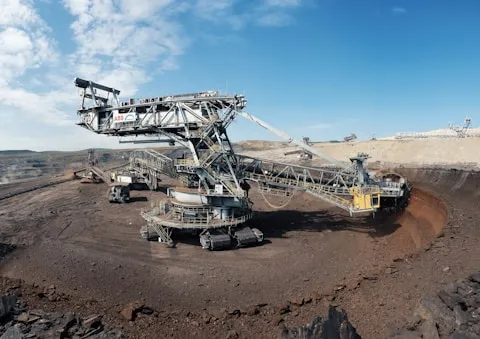
Manufacturing

Train operators on complex machinery, assembly lines, and maintenance tasks in a simulated environment with real-world equipment interfaces.

Healthcare

Equip medical professionals with simulators that replicate surgical instruments, patient care scenarios, and emergency response procedures, ensuring hands-on practice in a safe setting.

Why Choose Simulation-Based Training with Actual Simulators?

By integrating physical simulators into your training program, you provide your workforce with the most realistic and practical learning experience possible. This method enhances skill development, boosts confidence, and ensures employees are fully prepared to handle the challenges of real-world operations.  

1.

Customizable to Your Needs

Trainees work with actual machinery, tools, or system interfaces, gaining hands-on experience that is directly transferable to real-world tasks.

2.

Safe & Controlled Environment

Employees can practice complex tasks and decision-making in a risk-free space, allowing them to learn from mistakes without real-world repercussions.

3.

Hands-On Practice with Real Equipment

Employees work directly with the tools and systems they’ll use in the field, gaining a deep understanding of how to operate machinery or systems safely and efficiently.

4.

Cost-Effective

By using simulators, businesses can reduce downtime and minimize the wear and tear on actual equipment during training.

Why Choose Simulation-Based Training with Actual Simulators?

Industries We Serve

Our Clients

We’re proud to be working with the best known brands around the world.

client-1 client-2 client-3 client-4 client-5 client-6 client-7 client-8 client-1 client-2 client-3 client-4 client-5 client-6 client-7 client-8

To know more about us

Frequently Asked Questions

CORE-EHS offers immersive VR and simulation-based safety training solutions that replicate real-life workplace hazards, emergencies, and high-risk scenarios for effective experiential learning.

Yes. CORE-EHS develops customised VR and simulation modules based on industry type, site conditions, hazards, job roles, and client-specific safety requirements.

VR training covers topics such as work at height, confined space, electrical safety, fire safety, process safety, emergency response, and behavioural safety.

Yes. CORE-EHS VR solutions can be integrated with classroom training, eLearning modules, and safety workshops as part of a blended learning approach.

VR training programs are suitable for workmen, supervisors, engineers, safety officers, managers, and leadership teams, depending on learning objectives.

Yes. CORE-EHS provides simulation-based emergency and incident response training, allowing participants to practice decision-making in realistic, risk-free environments.

Yes. Training content is aligned with applicable safety regulations, industry best practices, and organisational procedures, ensuring relevance and compliance.

Yes. CORE-EHS can deliver on-site VR training or deploy portable VR setups, depending on infrastructure and project needs.

Training effectiveness is measured through scenario performance, decision tracking, assessments, feedback, and post-training evaluations.

Organisations can start by requesting a VR training demo or needs assessment, after which a customised training roadmap is proposed.

Safety Software FAQs
top white arrow