What Is the Difference Between EHS and HSE?
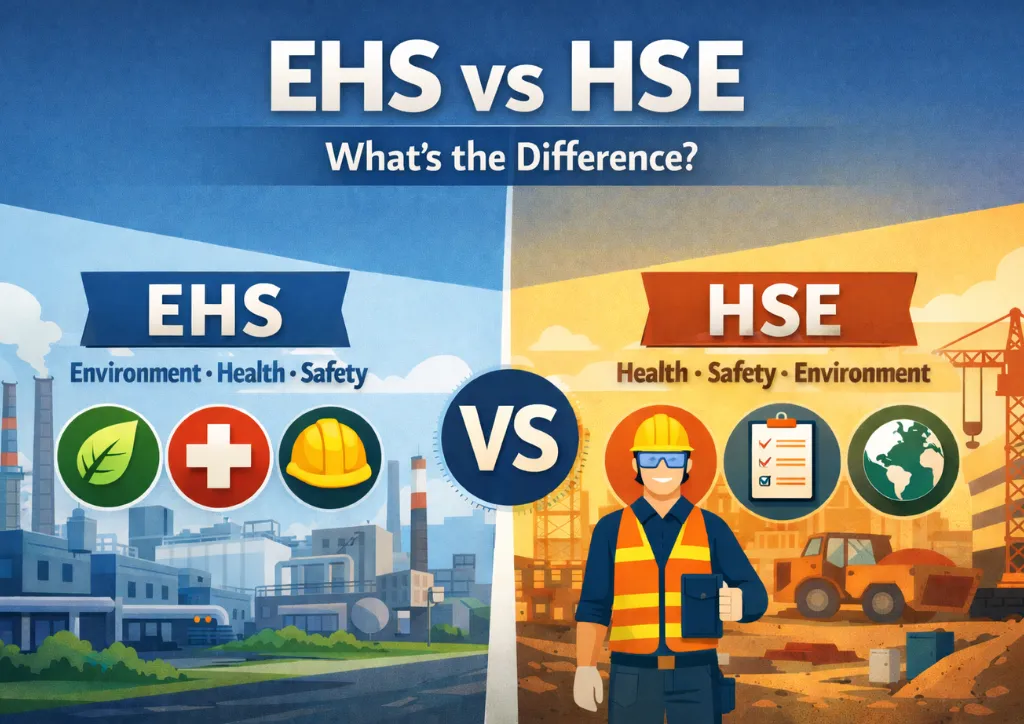
In the world of workplace safety and compliance, the difference between EHS and HSE is one of the most commonly searched and misunderstood topics.
End-to-end, certified, safety-first scaffolding solutions
About Our Scaffolding Expertise & Capabilities
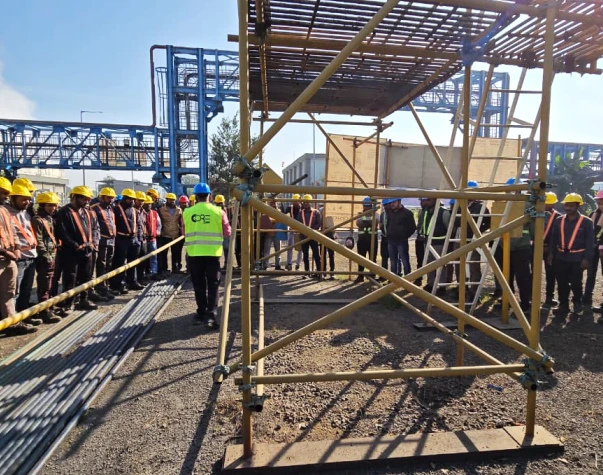
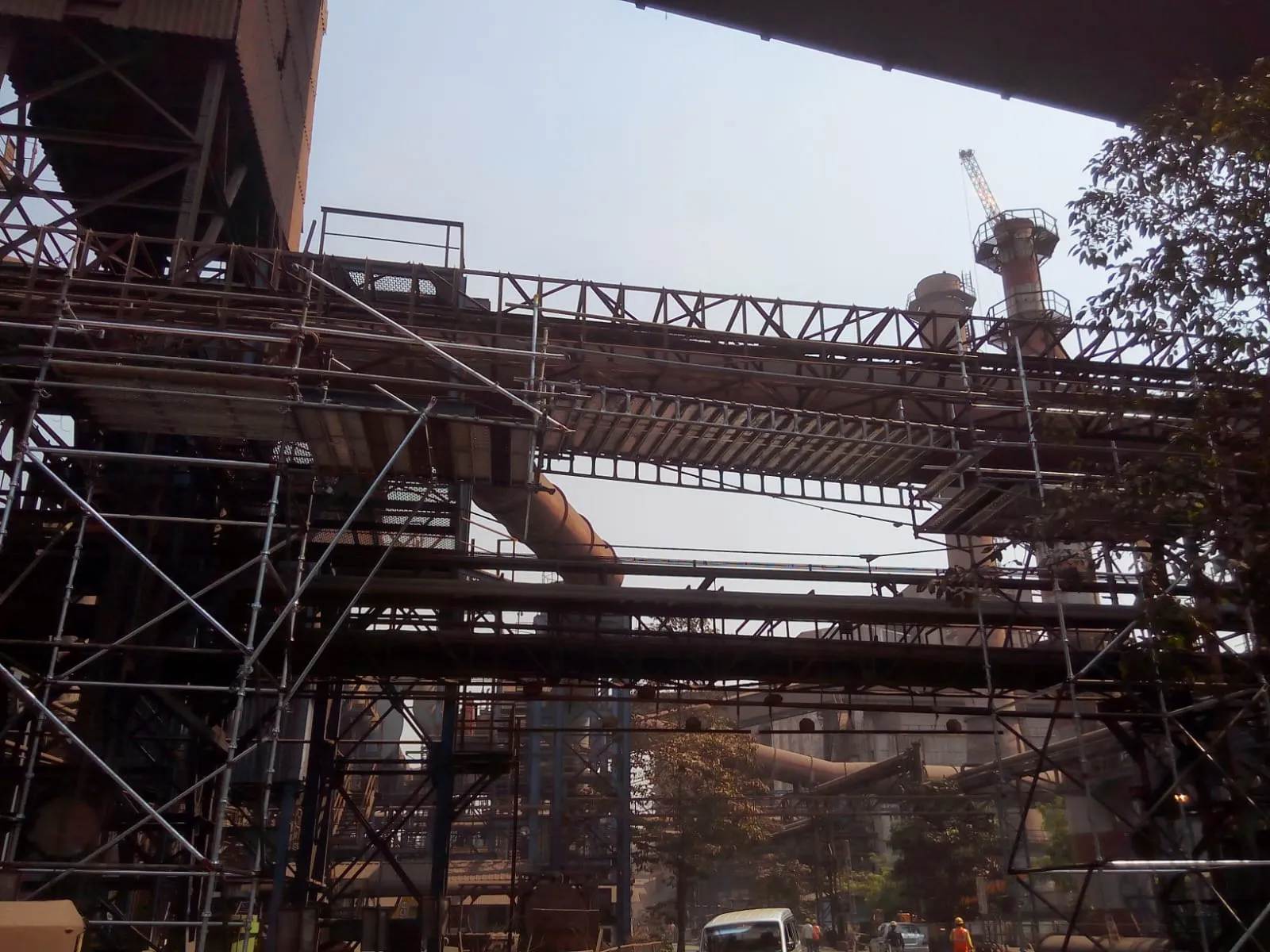
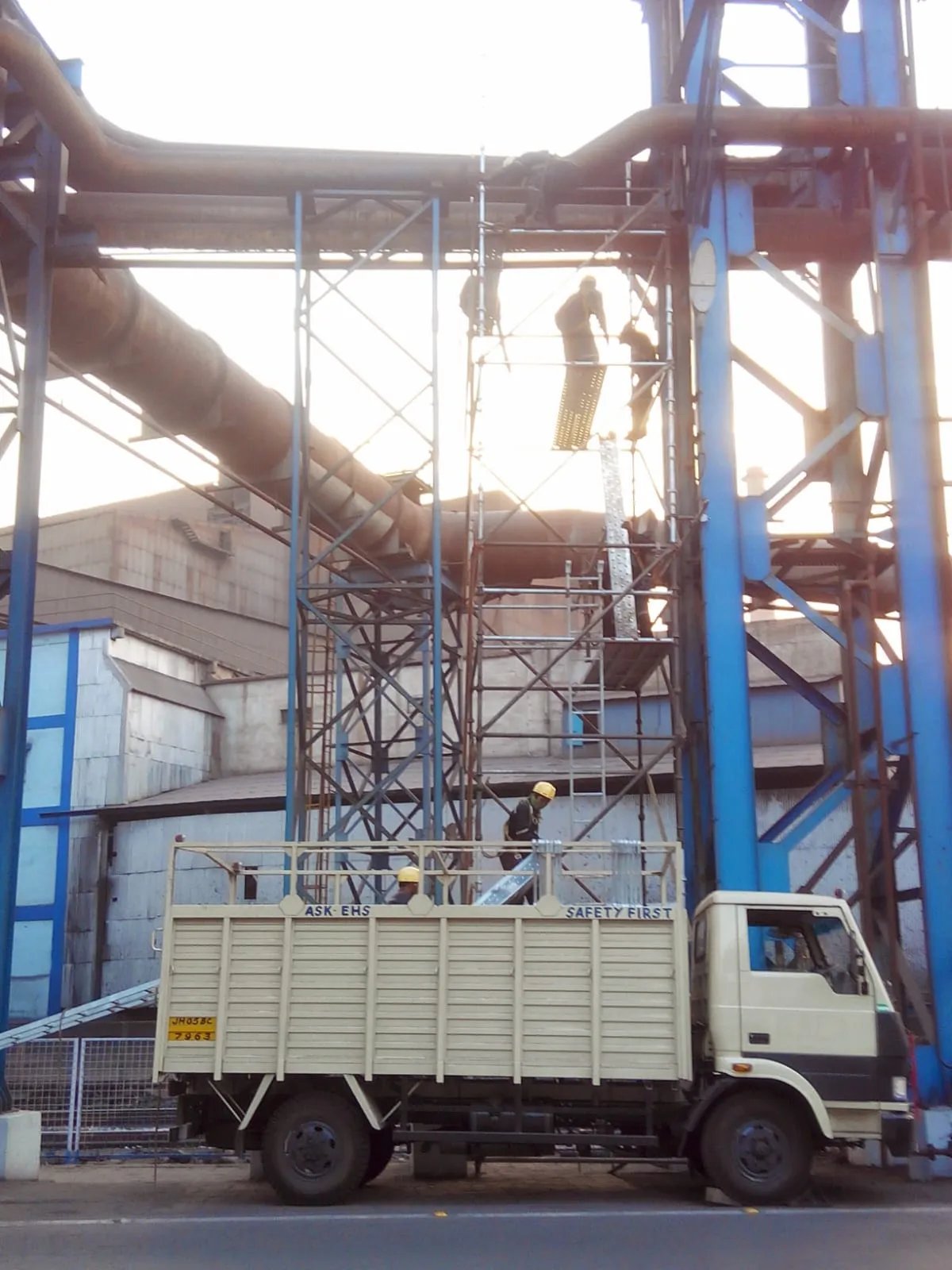
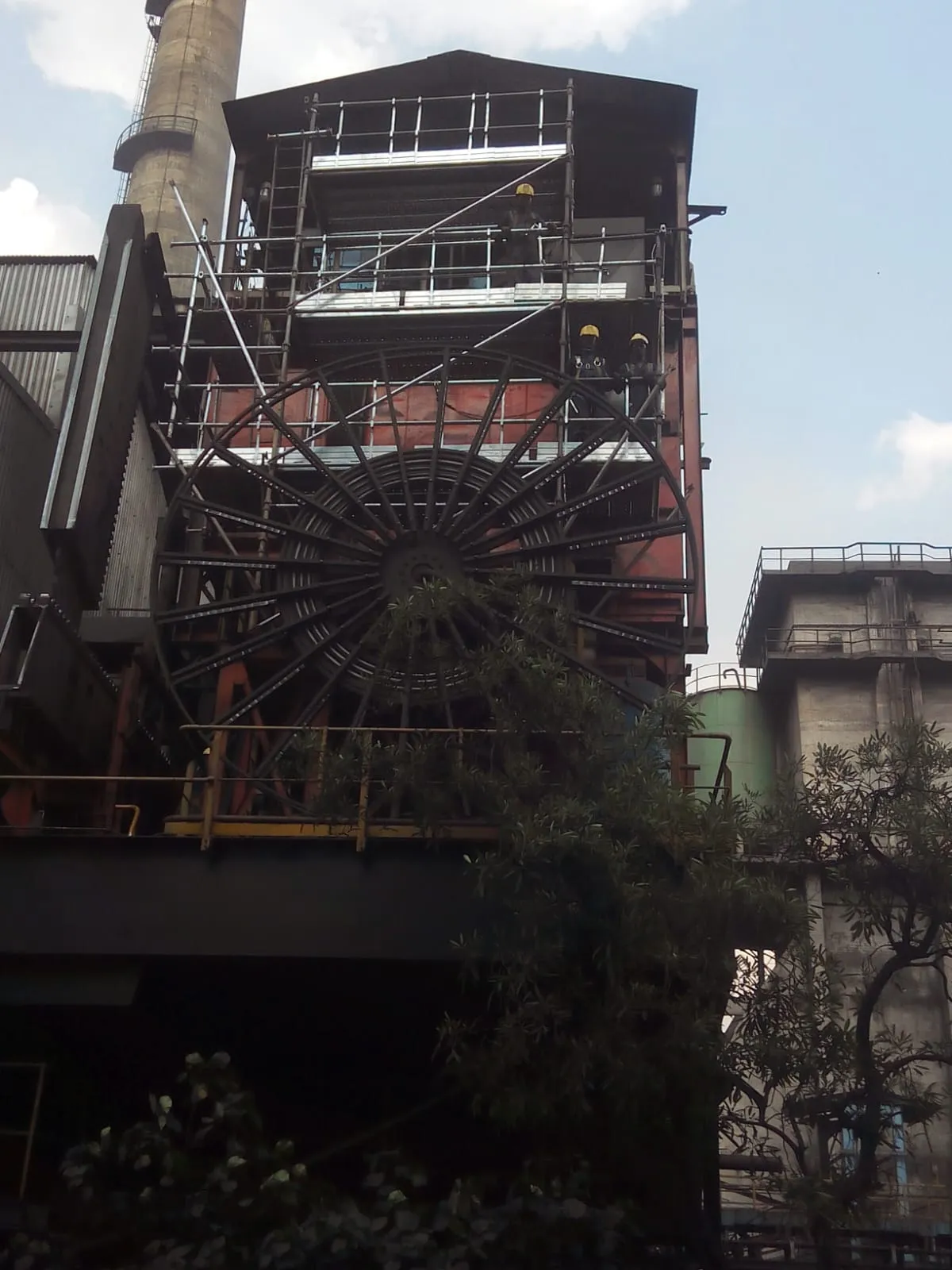
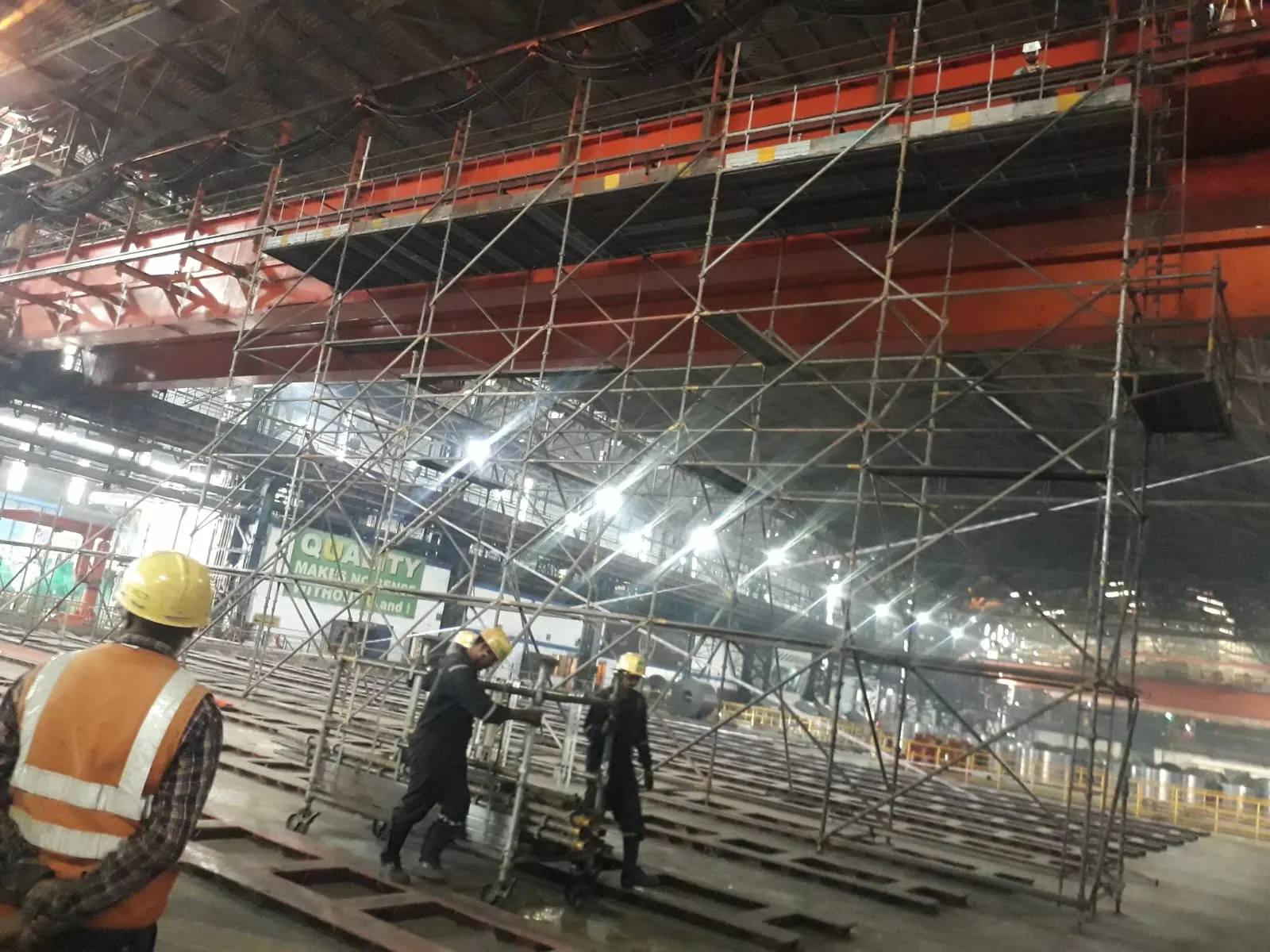
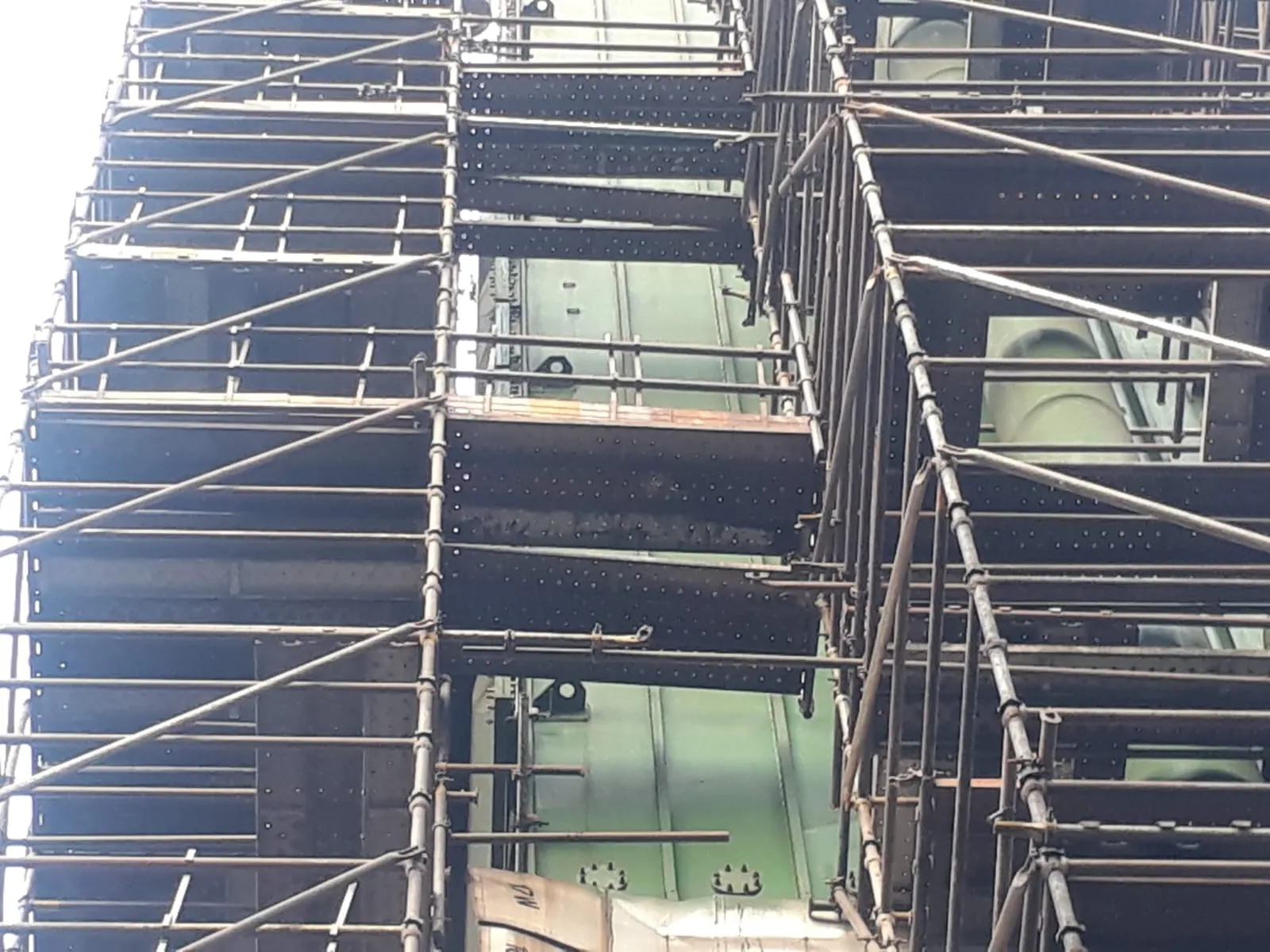
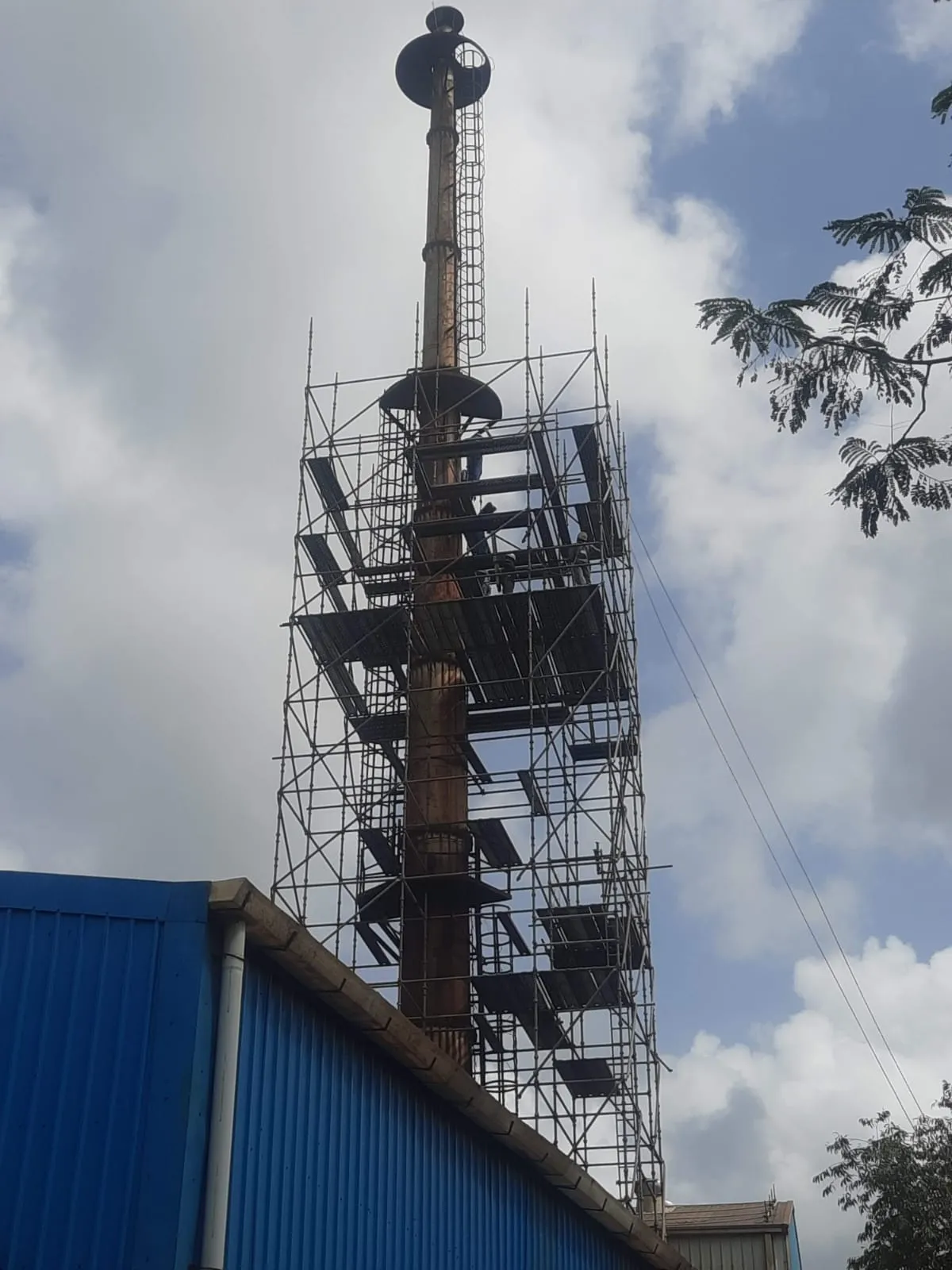
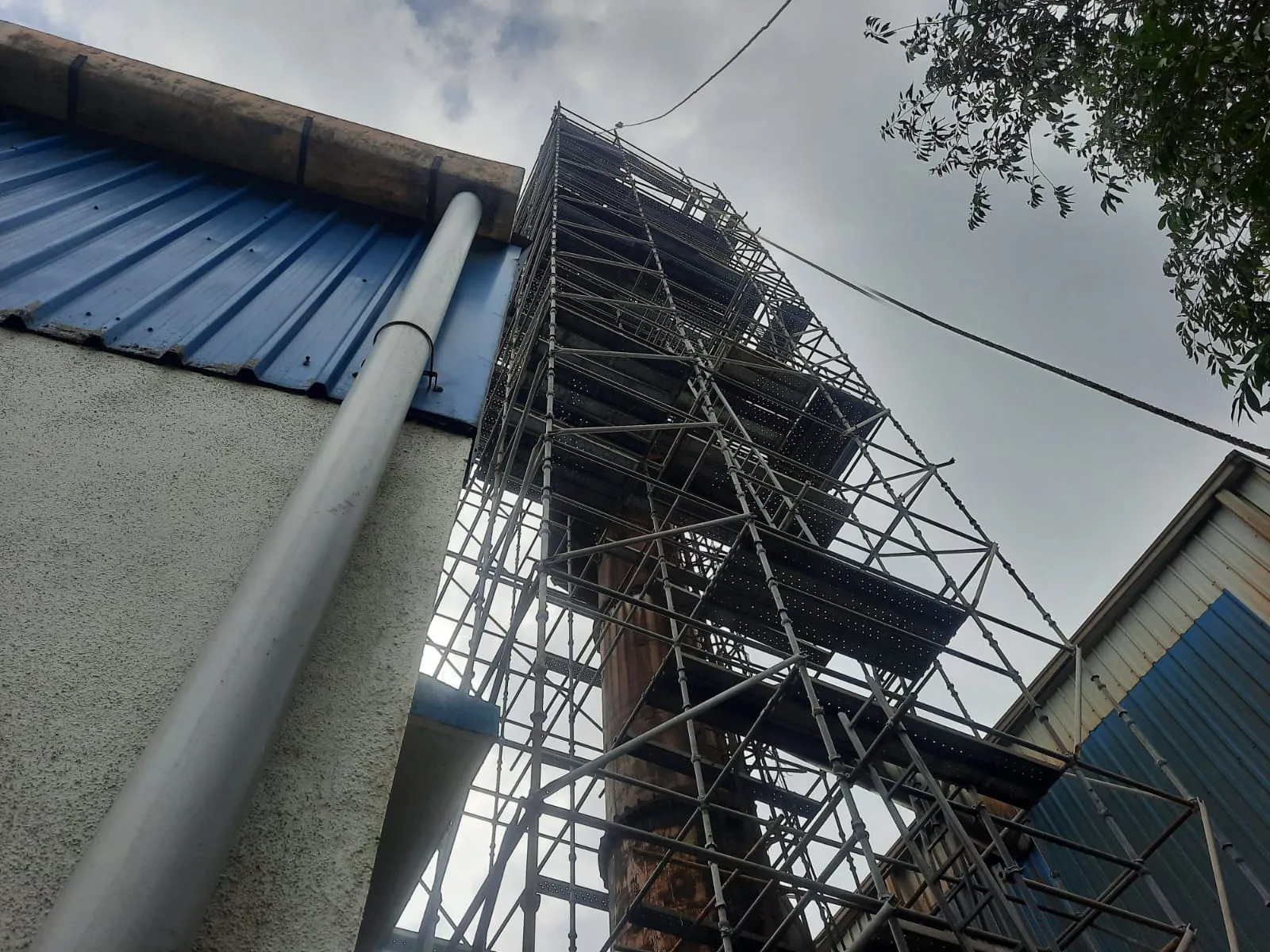
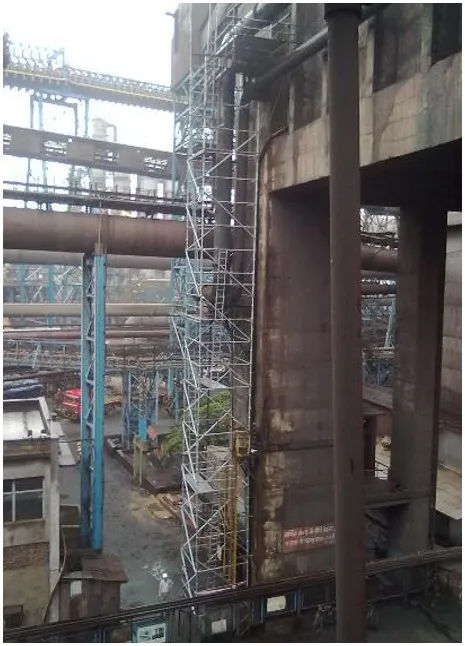
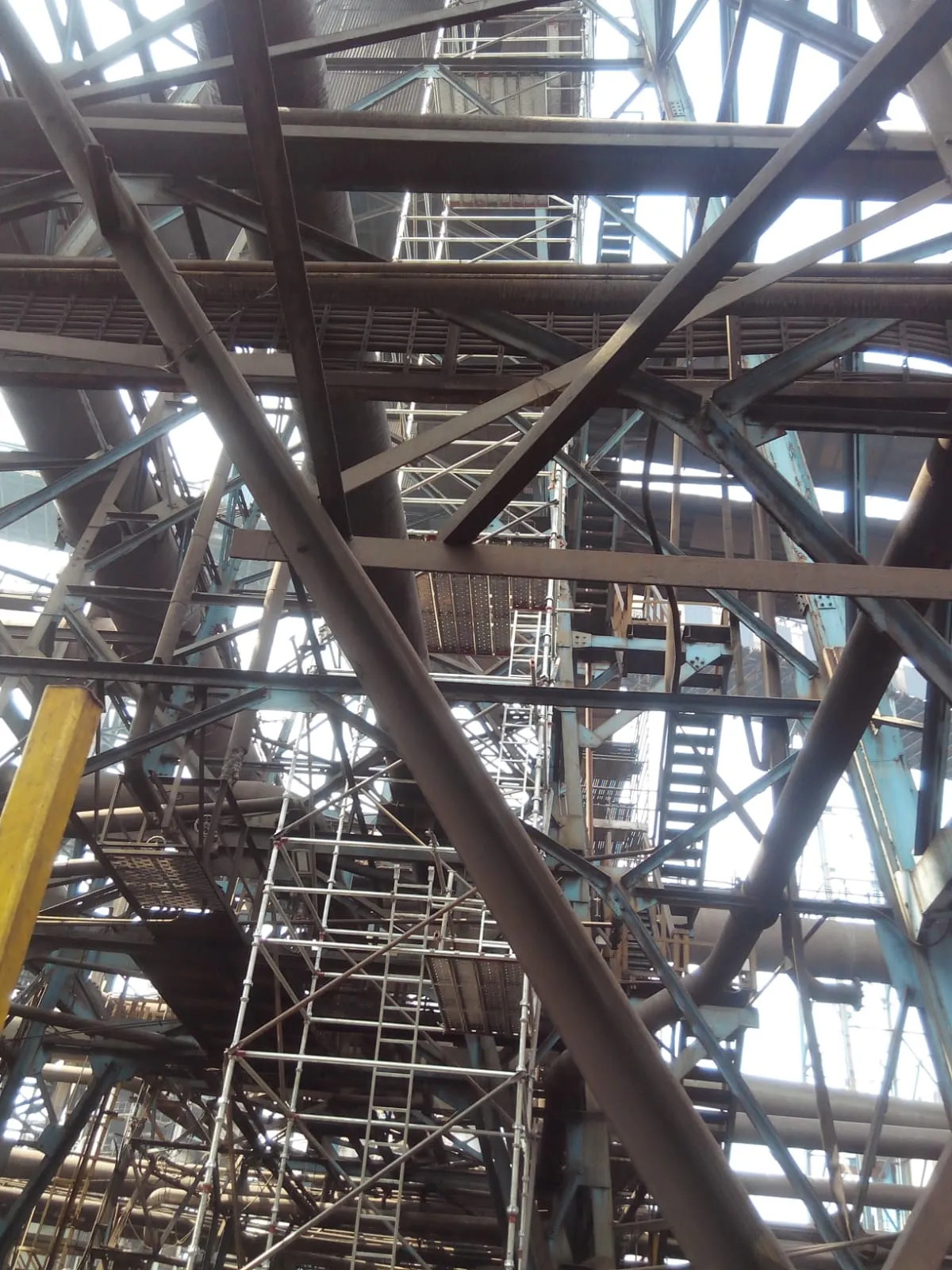
Scaffolding has been crucial for construction, repair, and maintenance of multi-storey buildings, providing safe and temporary access at heights. Its primary components are tubes and boards, with various systems like tube-and-clamp, fabricated frames, and modular designs offering unique benefits.
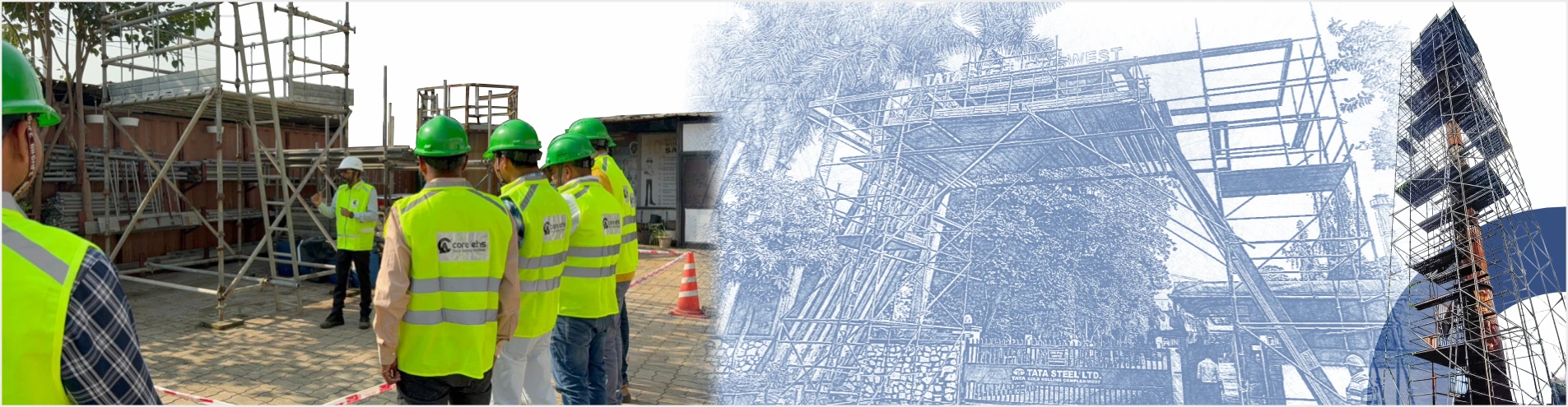
Founded in 2007 in Surat, India, CORE-EHS is a leader in the scaffolding industry, specializing in training, erection, inspection,hire, and sale of system scaffolding. With over 500 skilled scaffolders and inspectors, we ensure all scaffolding perations are safe and compliant with health and safety requirements, continuously improving safety systems and maintaining an impeccable safety record.
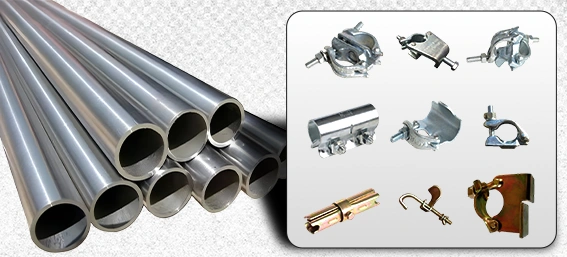
Scaffold couplers are essentially the fundamental component that is used to assemble tube-and-coupler scaffolding in which individual circular tubes serving as standards, braces or ties are joined together by means of purpose designed couplers’.
All Scaffold Couplers’ compliance to BS EN Standards.
This basic fitting that is designed to join two scaffold tubes can be used to create a diverse range of scaffolding structures or used as an accessory to prefabricated scaffolding systems. This manual includes basic types of scaffold couplers which join two tubes together as well as special couplers used to connect scaffold tube to other components, equipment or structures.
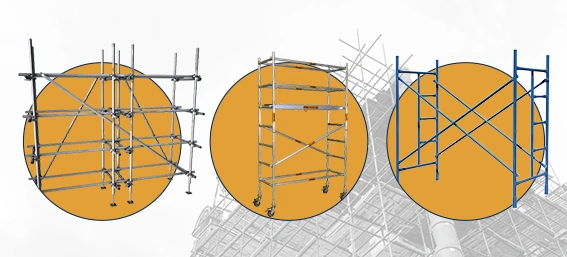
H-frames are suitable for all light duty applications such as painting, cleaning, and maintenance work. The scaffolding frames are 1m wide x 2m High, with main members manufactured from 48mm dia steel tubes. The frames feature fixed spigot and flip to ensure quick, simple and safe connections between frames, cross braces and horizontal ledgers.There are no loose parts. The frame consists of welded frame of two verticals and two horizontals. The frames are interconnected by scissor cross-brace-through pins welded on frames and locked in position by spring clips. Bracing in alternate bays/lifts may be skipped depending on height and loading on scaffolding.
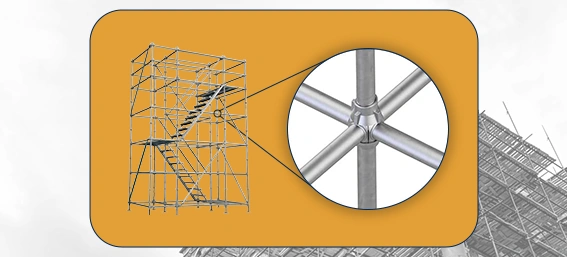
At the heart of the CUPLOCK system is its unique nodepoint locking device. This enables up to four horizontals to be loosely but safely connected to the standard then locked into position with a single hammer blow. The system uses no loose clips, bolts or wedges. The locking device is formed by fixed lower cups, welded to the standards at 0.5m intervals, and sliding upper cups which drop over the blade ends of the horizontals and rotate to lock them firmly into place giving a positive, rigid connection. It is this revolutionary node point which makes CUPLOCK faster and simpler to erect than any other system scaffold. Once a CUPLOCK structure is ‘based out’ and levelled, subsequent lifts are automatically erected square and horizontal. The lack of loose components makes the system easy to use and exceptionally robust – it’s painted/galvanised finish making it virtually immune to corrosion and damage.
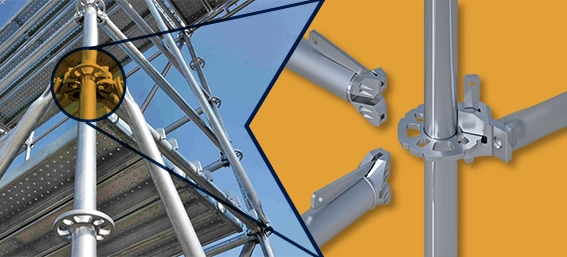
Direct Scaffold Supply Ring Lock Scaffolding Systems are built to be the most reliable and efficient scaffolding available. Safe and convenient, our Ring Lock Scaffolding line includes multiple ledgers, clamps, guardrails, connectors, stair stringers and steps and adapters. Ringlock System Scaffolding consists of galvanized high-strength steel modular components that are assembled together using integral wedge connectors. It consists of vertical members with integral rosette connections welded to them at 500 mm) spacing. The horizontal ledgers and diagonal braces are secured to the rosettes on the vertical tubes by means of end connectors that incorporate captive wedges. The system has a complete range of accessories, including: steel planks, side brackets, system toe boards, stairs, ladders and reinforced ledgers.
Types of Scaffolding Structures We Support
| Feature | Tubes & Fittings | H-frame | Cuplock | Ring Lock |
|---|---|---|---|---|
| Effectiveness | 100% | 200% | 300% | 400% |
| Loading Capacity | 100% | 120% | 200% | 240% |
| Initial Investment | 100% (Lowest) | 130% | 150% | 140% |
| Market Share | 50% | 10% | 15% | New product of 21 century |
| Pros | Lowest initial cost, dominant market share. | Convenient to use, better bearing capacity. | Convenient, good stability, less error chances. | High stability/bearing, easy transport/storage, great for spherical structures. |
| Cons | Inconvenient to use, low stability, low bearing capacity, high error risk, difficult storage. | Low stability, difficult for transportation and storage. | Higher investment cost than H-frame. | Highest investment cost (after Cuplock). |
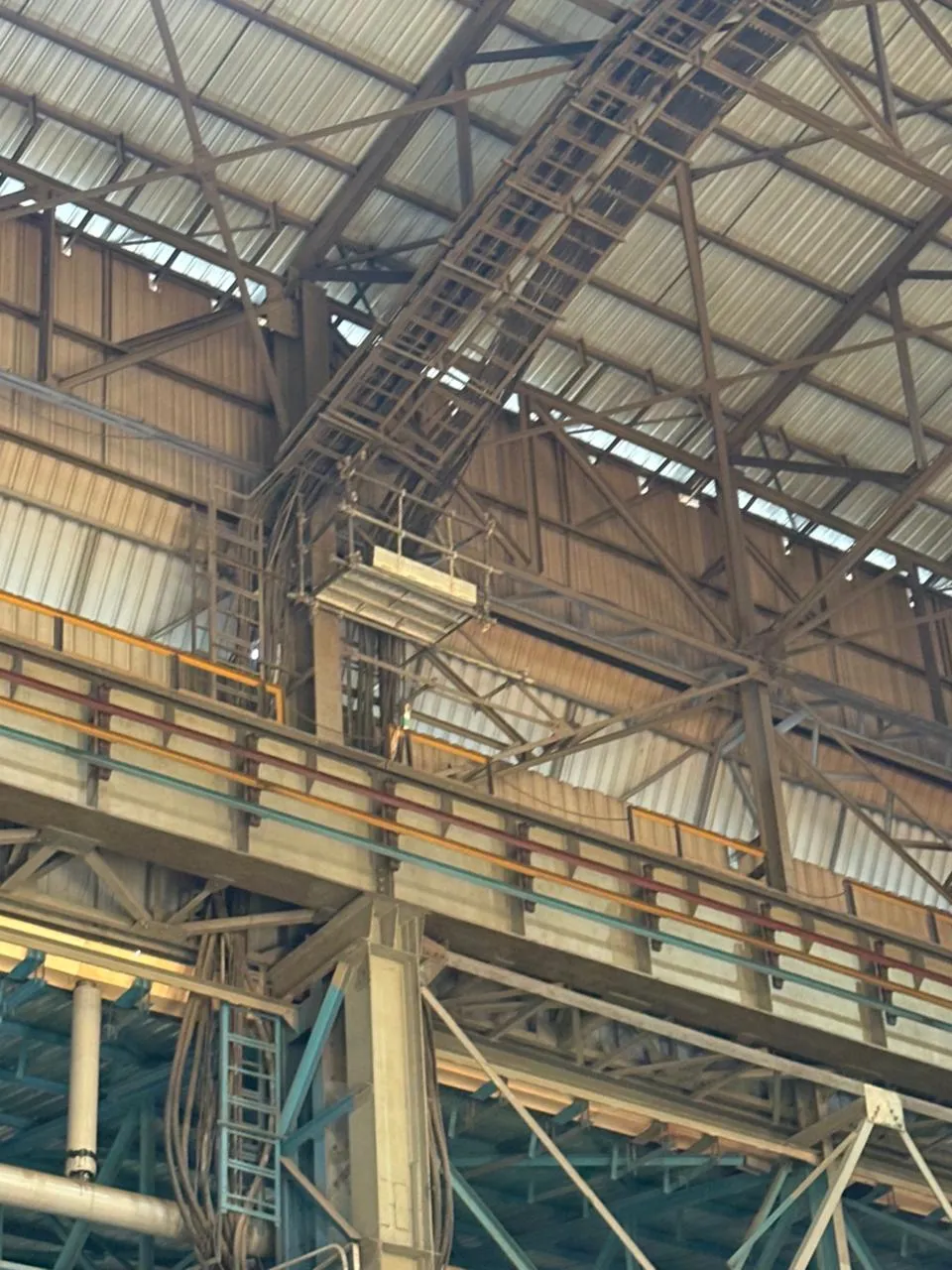
Scaffolding is a type of temporary structure that supports workers and or materials while other larger structures are being built, repaired or maintained. Scaffolding is made up of different frames and planks that are held in place by bolts or couplers. Depending on the purpose of the scaffolding, it can be made in different sizes and shapes.
To know more about us
CORE-EHS provides end-to-end scaffolding safety services, including scaffolding design review, inspection, auditing, training, compliance assessment, and safe scaffolding system implementation.
Yes. CORE-EHS scaffolding services are aligned with applicable Indian regulations, international standards, and industry best practices, ensuring safe and compliant scaffolding systems.
Yes. CORE-EHS conducts systematic scaffolding inspections to identify unsafe conditions, structural issues, and non-compliances before work begins and during operations.
Yes. Inspections are carried out by trained and competent scaffolding safety professionals with hands-on industry experience.
Yes. CORE-EHS provides scaffolding safety training for scaffolders, supervisors, engineers, and safety professionals, focusing on safe erection, use, and dismantling practices.
Yes. Scaffolding services are customised based on project type, height, load requirements, work environment, and risk profile.
Industries such as construction, oil & gas, power plants, refineries, manufacturing, infrastructure, and maintenance projects benefit from CORE-EHS scaffolding services.
Yes. CORE-EHS provides post-inspection guidance and corrective action recommendations to improve scaffolding safety and compliance.
Yes. CORE-EHS has experience supporting large-scale, high-risk, and complex scaffolding structures across industrial and project sites.
Organisations can engage CORE-EHS by requesting a scaffolding inspection, audit, or training, after which a customised service plan is proposed.
Here’s what we've been up to recently.
In the world of workplace safety and compliance, the difference between EHS and HSE is one of the most commonly searched and misunderstood topics.
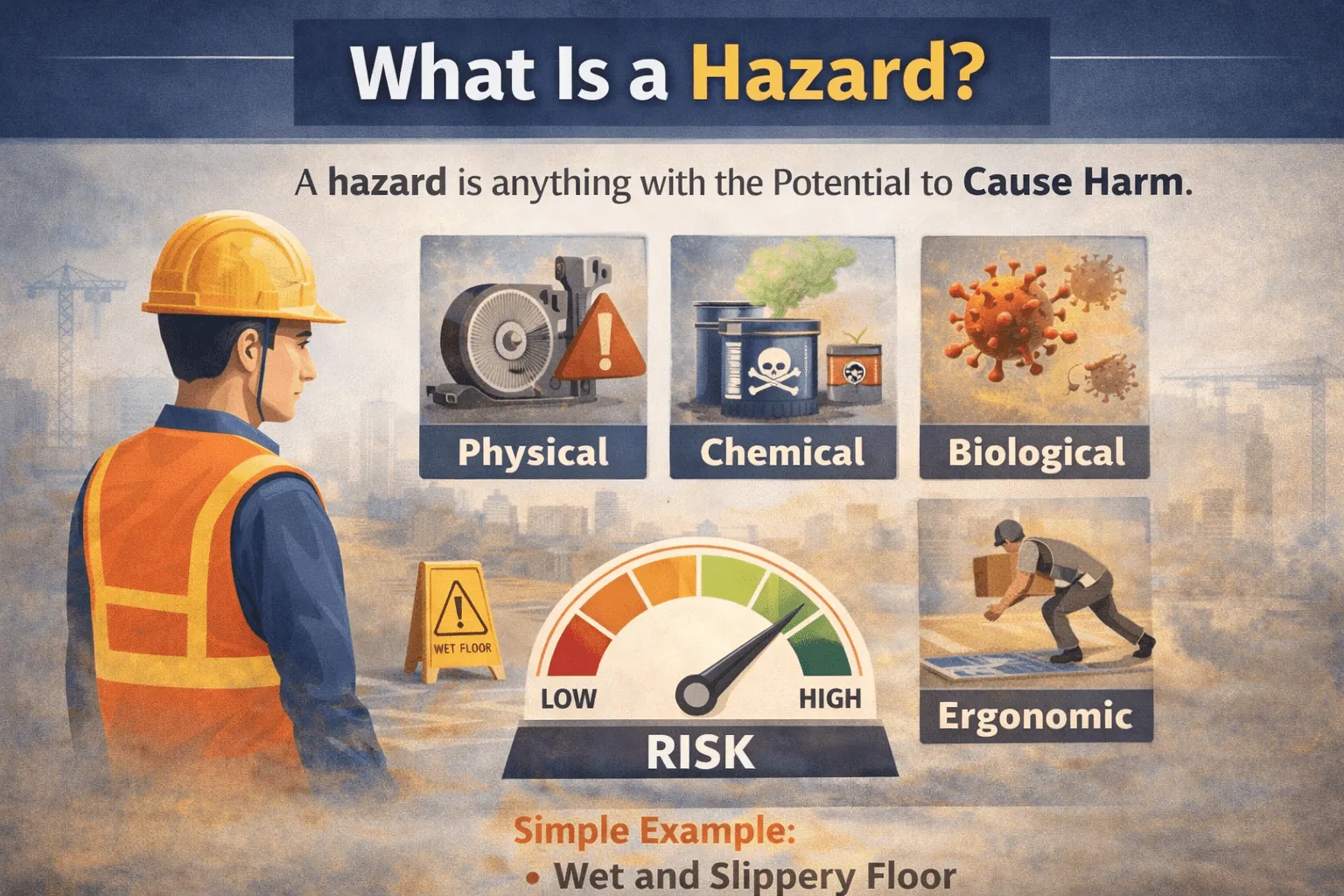
In workplace safety, the difference between hazard and risk is one of the most commonly misunderstood concepts.
Sitting for long hours at a desk can do more harm than most of us realise. A poorly arranged workspace often leads to neck strain, wrist pain, or chronic fatigue that silently reduces focus and energy.
Safety expectations around the world are changing fast. Companies across oil and gas, manufacturing, construction, chemicals, power plants, logistics, and many other sectors now depend on digital tools to keep workers safe