+91 72929 29159


PSM Framework Implementation
We design and deploy customized PSM frameworks aligned with OSHA 1910.119 and global best practices.




 Solutions

All your EHS & ESG needs
Empowering responsible decisions through unified EHS and ESG solutions

Read our success stories
Explore how we have transformed safety cultures with our EHS solutions.
.
.
Resources
About Us
Our Mission
Our mission is to empower industries to achieve their safety, health,and environmental objectives, integrating Environmental, Social, and Governance (ESG) principles into our strategic insights, expert guidance, and innovative solutions. We are dedicated to advancing sustainable and responsible practices across all sectors.
Our Vision
Our vision is to become the foremost provider of exceptional safety services, enabling organizations to not only meet but excel in their safety, health, and environmental goals, while fully embracing and
implementing ESG standards for a sustainable future.
Introduction
Every industrial process carries inherent risks- chemical releases, energy hazards, operational failures. Without discipline, these risks can escalate into catastrophic incidents. Process Safety Management (PSM) is not just a compliance requirement, it’s a structured system that integrates management principles, engineering, and operational discipline to safeguard people, assets, and the environment.
At CORE-EHS, we help industries implement, audit, and sustain PSM frameworks that prevent accidents, improve reliability, and build a safety-first culture.
What is Process Safety Management (PSM)?
PSM is a comprehensive approach to managing process hazards. It ensures that risks associated with hazardous chemicals, energy sources, and complex operations are identified, controlled, and continuously monitored.


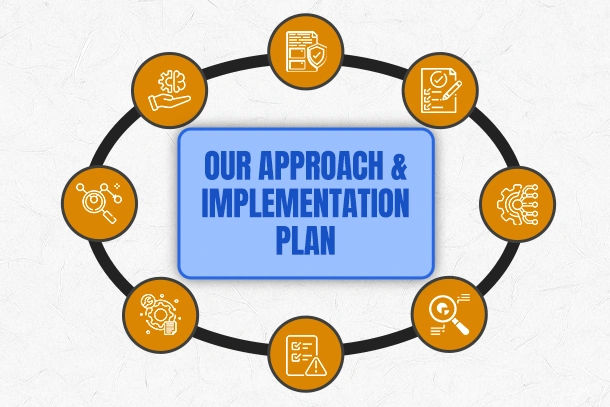
Unlike traditional safety programs, PSM addresses risks across the full lifecycle, from project inception, development, and daily use to equipment decommissioning.

We design and deploy customized PSM frameworks aligned with OSHA 1910.119 and global best practices.
Identify and analyze critical risks with systematic hazard studies.
Gap assessments and audits to ensure compliance with regulatory standards and corporate benchmarks.
Structured root-cause analysis and preventive controls to avoid repeat failures.
Equip teams with the knowledge and skills to manage process hazards effectively.



Engineering

Automobiles

Automotive & Mobility

Power
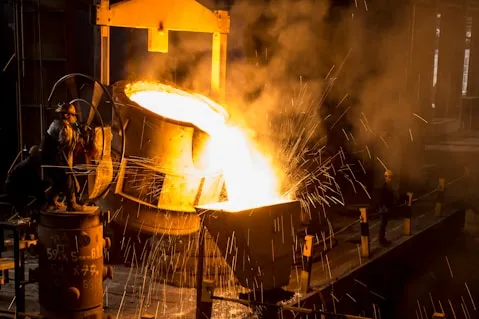
Iron & Steel

Cement Industry
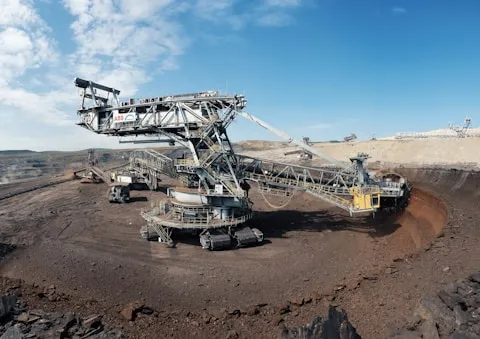
Metal & Mining

Shipping & Marine

Construction & Infrastructure

Chemicals & Fertilizer

Pharmaceutical& Life Science

Food FMCG & Agriculture
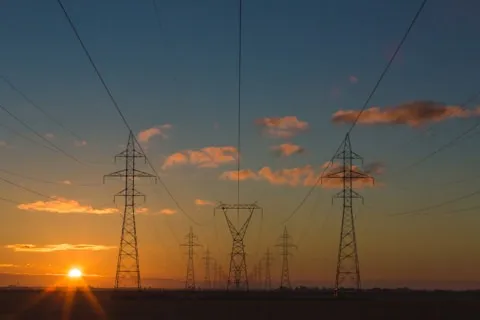
Electrical & Electronics
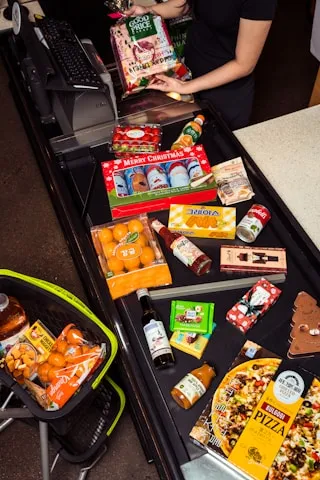
Retails & Consumer Durable
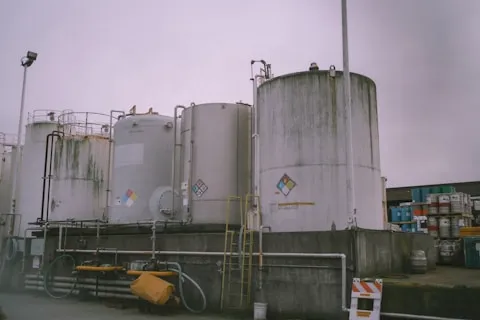
Petrochemical, Oil, Gas & Refinery
Your Safety Domain expert & Tech support under one hat!

ISO-certified (9001, 14001, 45001) and recipient of multiple awards.

AI-enhanced staffing, scaffold design, software, and immersive learning experiences.

Serving 600+ clients in over 30 countries with scalable, context-sensitive EHS programs.

Strong foundation since 2006 under visionary leadership of Mr. J.K. Anand, committed to cultural transformation and sustainable workplace safety, aligned with the Viksit Bharat 2047 goal.
To know more about us
Yes. By preventing breakdowns and incidents, PSM reduces downtime and improves overall operational reliability.
Occupational safety protects workers from day-to-day risks, while PSM focuses on preventing catastrophic process failures.
Industries handling hazardous chemicals, energy-intensive processes, and complex operations, such as oil & gas, steel, chemicals, and power – need a PSM framework.
It reduces the frequency and severity of incidents like fires, explosions, and toxic releases, ensuring compliance and safe operations.
PSM is a structured approach that manages industrial process hazards to protect workers, equipment, and the environment.

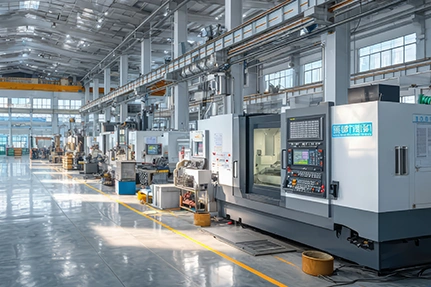
Our proven frameworks ensure compliance, reliability, and long-term safety for your operations
We’re proud to be working with the best known brands around the world.





Here’s what we've been up to recently.