 +91 72929 29159













In the realm of industrial safety, the adage “Preparation is key” is more than just a saying; it’s a fundamental principle.

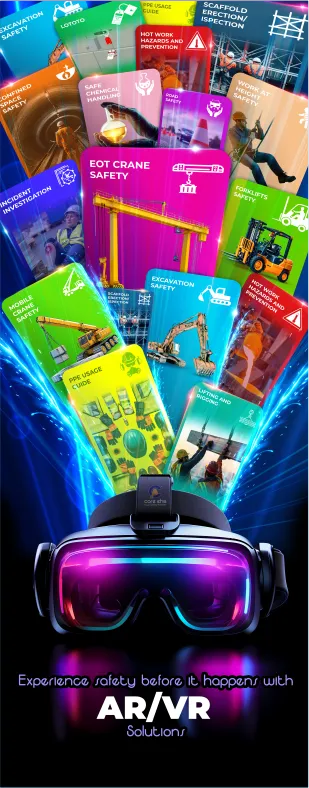
As industries evolve, so do the methods of training to ensure safety and preparedness in the face of emergencies. One such revolutionary method is Virtual Reality (VR) training. This immersive technology is not just transforming how training is conducted but also significantly enhancing its effectiveness.
The Rise of VR in Industrial Training
Virtual Reality has been a buzzword in the tech world for a while, but its application in industrial training has gained significant traction only in recent years. According to a report by PwC, VR learners complete training up to four times faster than in the classroom. This statistic alone showcases the efficiency of VR in training scenarios.
Why VR?
- Realistic Simulations: VR creates a simulated environment that closely mirrors real-life scenarios. Trainees can experience realistic situations without the associated risks.
- Enhanced Retention: Research indicates that VR training has a retention rate of 75%, compared to 5% for lectures and 10% for reading. This is crucial for emergency preparedness where recall speed is vital.
- Cost-Effective in the Long Run: While the initial investment in VR technology can be high, it reduces the recurring costs of traditional training methods, such as hiring instructors, equipment, and location costs.
- Safe Learning Environment: Trainees can repeatedly practice hazardous scenarios without any real-world risk, which is impossible in traditional training setups.
Industrial Emergency Preparedness and VR
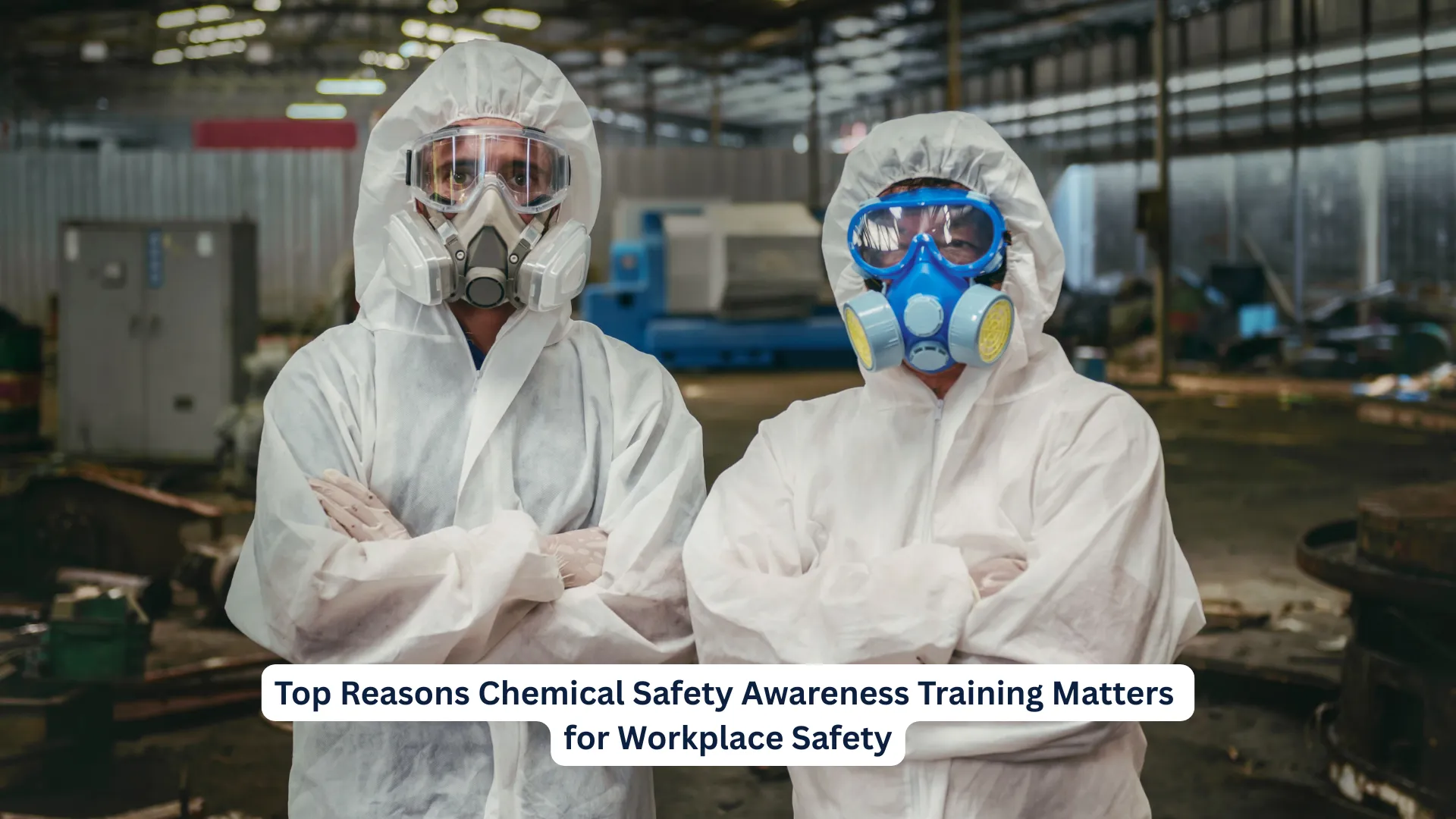
Emergency preparedness in industrial settings is critical. Whether it’s dealing with chemical spills, machinery malfunctions, or fire outbreaks, being prepared can mean the difference between a controlled situation and a disaster.
Case Studies and Statistics
- Fire Safety Training: A study conducted by the University of Maryland showed that participants trained in VR performed 30% better in real-life fire evacuation drills than those trained via traditional methods.
- Hazard Recognition: Shell has implemented VR to train staff in safety protocols for offshore drilling operations. This has led to a notable improvement in hazard identification and response times.
- Medical Emergency Training: In a VR training module developed for CPR, participants showed a 150% improvement in confidence to perform the procedure, according to a study by the University of Pennsylvania.
The Impact of VR on Industrial Training
Implementing VR Training: Challenges and Solutions
While the benefits are clear, implementing VR training in industrial settings isn’t without its challenges.
Technological Barriers
- High Initial Cost: The initial investment in VR hardware and software can be substantial.
- Solution: Many companies now offer VR training as a service, reducing the need for heavy upfront investments.
Cultural and Adaptation Challenges
- Resistance to Change: Some employees might be resistant to adopting new technologies.
- Solution: Gradual implementation and demonstrating clear benefits can help in overcoming resistance.
Customization Needs
- Generic vs. Specific Training: One-size-fits-all VR training programs may not suit specific industrial needs.
- Solution: Investing in customized VR training modules tailored to specific industry requirements.
The Future of VR in Industrial Training
The future of VR in industrial training looks promising. With advancements in VR technology, the cost is expected to decrease, making it more accessible. Additionally, the integration of Artificial Intelligence (AI) can provide more personalized training experiences.
Emerging Trends
- AI Integration: AI can tailor training modules based on individual performance, enhancing learning outcomes.
- Mobile VR: With the advent of more portable VR devices, training can become more flexible and accessible.
- Multi-User Training Sessions: VR can enable collaborative training sessions, simulating team-based emergency responses.
Conclusion
Virtual Reality is revolutionizing industrial training, particularly in emergency preparedness. Its ability to simulate realistic scenarios safely, cost-effectively, and with higher retention rates makes it an invaluable tool. As technology evolves and becomes more accessible, VR training is poised to become a standard in industrial safety training, ensuring better preparedness and ultimately saving lives.