 +91 72929 29159













Ensuring workplace safety, particularly in industries dealing with molten metal, is of paramount importance.
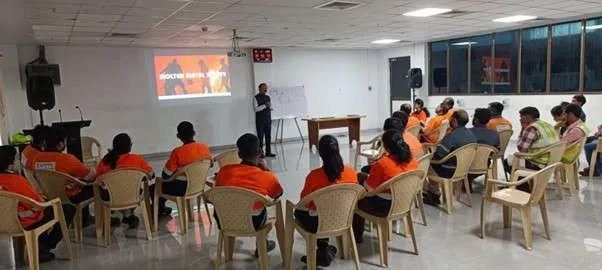
Understanding the Importance of Safety in Molten Metal Work
Working with molten metal is inherently hazardous due to the high temperatures and potential for serious accidents, including burns, explosions, and exposure to toxic fumes. These dangers necessitate stringent safety measures and continuous education. Our training program was meticulously designed to equip participants with the necessary tools and knowledge to navigate these risks effectively.
Training Highlights
The program was carefully structured to cover all essential aspects of molten metal safety. Key highlights included:
- Introduction to Molten Metal: An overview of molten metal properties and the significance of safety in handling it.
- Charge Materials: Understanding the materials charged into the furnace and their potential hazards.
- Molten Metal Hazards: Identifying hazards associated with molten metal and discussing methods to control risks and consequences.
- Safe Handling and Pouring Techniques: Techniques for safely handling and pouring molten metal to prevent accidents.
- High Hazard Zones: Recognizing and managing high-risk areas within the workplace.
- Operators Training, Skill Assessment, and Certification: Ensuring operators are adequately trained, assessed, and certified to handle molten metal.
- Personal Protective Equipment (PPE): Surveying essential PPE and ensuring its proper use.
- Furnace, Ladle, Launder, and Casting Equipment: Understanding the safe operation and maintenance of these critical pieces of equipment.
- Critical Safety Rules and Safe Work Practices: Monitoring and enforcing safety rules and best practices.
- Effects of Heat Stress: Recognizing the symptoms and dangers of heat stress.
- Preventing Heat Stress: Strategies to prevent heat stress and maintain worker health.
- Incident Reporting and Investigation System (IRIS): Implementing a system for reporting and investigating incidents to improve safety.
- Emergency Preparedness & Response Plan: Developing and practicing plans for emergency situations to ensure a swift and effective response
-
Interactive Learning and Group Discussion Sessions
The training was designed to be highly interactive, encouraging participants to engage actively through questions and shared experiences. Group discussions played a major role in identifying workplace hazards, allowing participants to apply theoretical knowledge to real-world scenarios. These hands-on activities were crucial in reinforcing the training content and building participants’ confidence.
Feedback and Continuous Improvement
At the end of the training, we collected feedback from participants to assess the program’s effectiveness and identify areas for improvement. The responses were overwhelmingly positive, with many attendees appreciating the comprehensive coverage of safety protocols and the practical exercises that allowed them to apply what they had learned. This feedback is invaluable for refining future training sessions to better meet the needs of participants.
Emergency Response and First Aid
A critical component of the training was emergency response and first aid. Participants learned detailed procedures for responding to accidents, providing first aid for burns, and following evacuation protocols. Group exercises simulated emergency scenarios, allowing participants to practice their response and ensure they were prepared for real-life situations.
Conclusion
Safety is an ongoing journey, and our one-day training program on Molten Metal Safety was a significant step in our commitment to creating a safer workplace. We are dedicated to maintaining high safety standards and will continue to invest in training and education for our team.
We extend our heartfelt thanks to all participants for their enthusiasm and active participation. Together, we can create a safer and more secure working environment. Remember, safety is everyone’s responsibility. Be safe and keep others safe.
In this journey towards enhanced safety and excellence, partnering with a trusted and experienced OHSE service provider is crucial. CORE-EHS has been at the forefront of Occupational Health, Safety, and Environment (OHSE) services, shaping, defining, and establishing OHSE governance and workplace management across diverse industrial domains. As a knowledge consultancy and service provider, CORE-EHS has been instrumental in creating a culture of safety and excellence, leveraging both national and international standards to enhance industrial safety practices.
Since 2008, has served over 800 clients globally across five continents, successfully conducting more than 7,000 training programs. With over 850,000 safety professionals trained and more than 800 corporations served, CORE-EHS has established itself as a leader in OHSE resilience and training.
Get in touch with us to learn more about how they can assist in enhancing your workplace safety and OHSE resilience. Together, we can build a future where safety is prioritized, and every worker can perform their duties without fear of injury or harm.