Difference Between Hazard and Risk in Safety
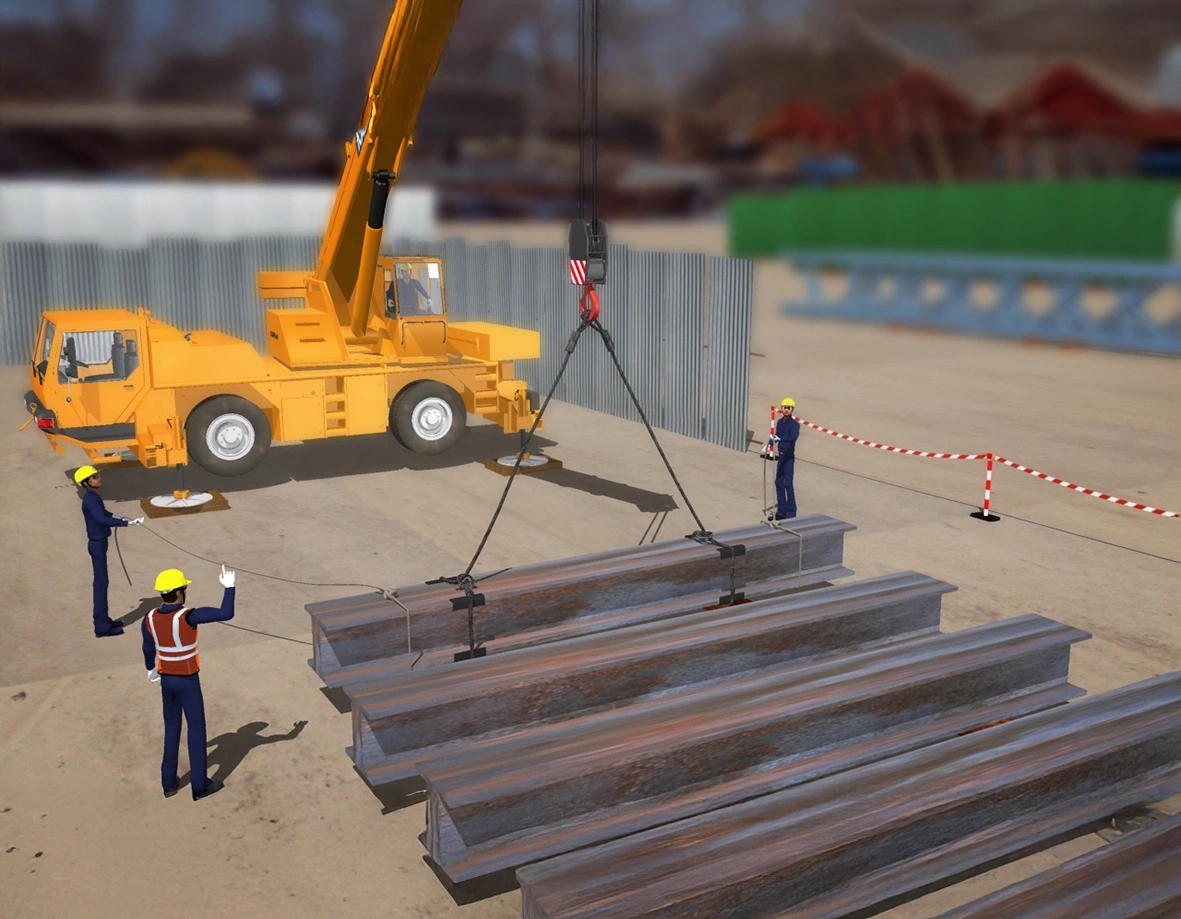
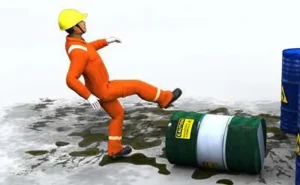
In workplace safety, the difference between hazard and risk is one of the most commonly misunderstood concepts.
Every year nearly 100 workers are killed and around 20,000 workers are seriously injured in forklift (PIV) mishaps.
Powered Industrial Vehicle Safety Training
Every year nearly 100 workers are killed and around 20,000 workers are seriously injured in forklift (PIV) mishaps.
To know more about us
Yes. Customised safety eLearning courses can be deployed on a company’s existing LMS and configured to track progress, assessments, and completion records for compliance and audit purposes.
Multilingual eLearning removes language barriers by delivering training in multiple languages, ensuring safety instructions are clearly understood by diverse teams across regions and cultures.
Yes. HSE eLearning courses are designed to be device-friendly and can be accessed on laptops, desktops, mobile phones, and tablets, making training accessible anytime and anywhere.
The cost depends on course duration, level of interactivity, visual design, assessments, and customisation depth. Custom eLearning is typically a cost-effective long-term solution that reduces repeat training expenses.
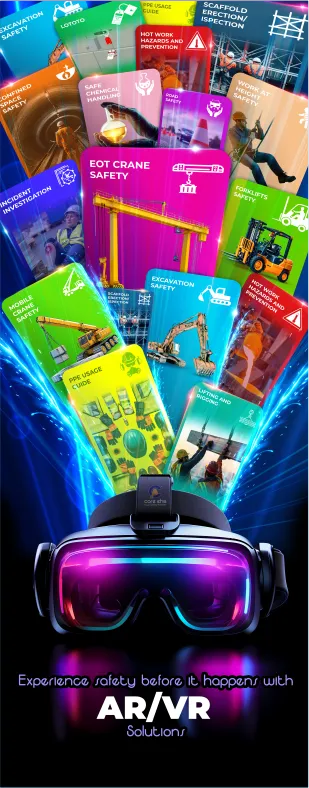
Available modules cover a wide range of topics, including scaffolding safety, hot work safety, work at height, confined space, electrical safety, machine guarding, fire safety, chemical handling, and emergency response.
Yes. Organisations can request industry-specific and role-based eLearning safety courses designed around their operations, hazards, and compliance requirements, ensuring higher training relevance and impact.
HSE eLearning offers greater flexibility and consistency than classroom training. While classroom sessions depend on instructor availability, eLearning ensures the same quality content is delivered every time and can be easily refreshed or updated.
Industries with distributed teams or high-risk operations benefit the most, including construction, manufacturing, oil and gas, power, logistics, chemicals, infrastructure, and mining.
Customised eLearning modules reflect actual workplace hazards, job roles, and procedures. This relevance improves engagement, helps employees relate training to real tasks, and leads to better understanding and safer on-the-job behavior.
HSE eLearning courses make safety training flexible, consistent, and scalable. Employees can learn at their own pace while organizations ensure uniform safety messaging, better knowledge retention, and reduced training downtime across locations.
Here’s what we've been up to recently.
In workplace safety, the difference between hazard and risk is one of the most commonly misunderstood concepts.
Sitting for long hours at a desk can do more harm than most of us realise. A poorly arranged workspace often leads to neck strain, wrist pain, or chronic fatigue that silently reduces focus and energy.
Safety expectations around the world are changing fast. Companies across oil and gas, manufacturing, construction, chemicals, power plants, logistics, and many other sectors now depend on digital tools to keep workers safe
Over 90% of road crashes are caused by human behaviour rather than road or vehicle conditions.