What Is the Difference Between EHS and HSE?
In the world of workplace safety and compliance, the difference between EHS and HSE is one of the most commonly searched and misunderstood topics.
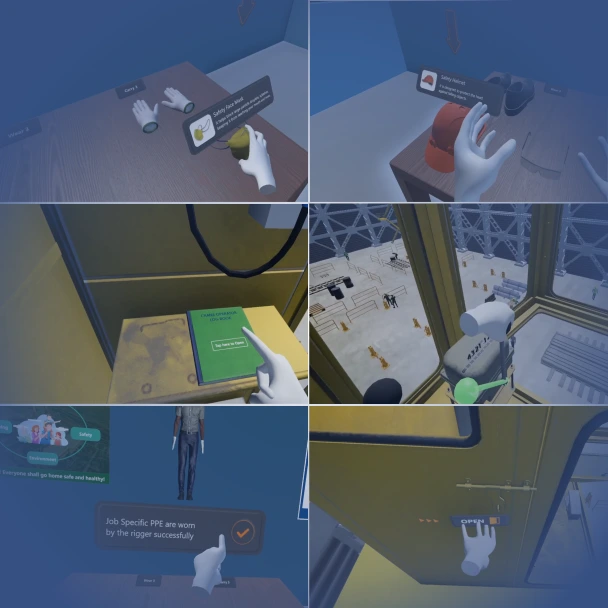
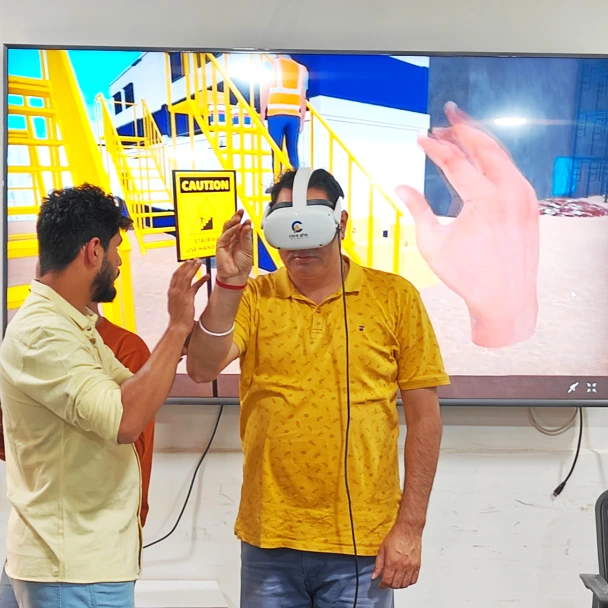
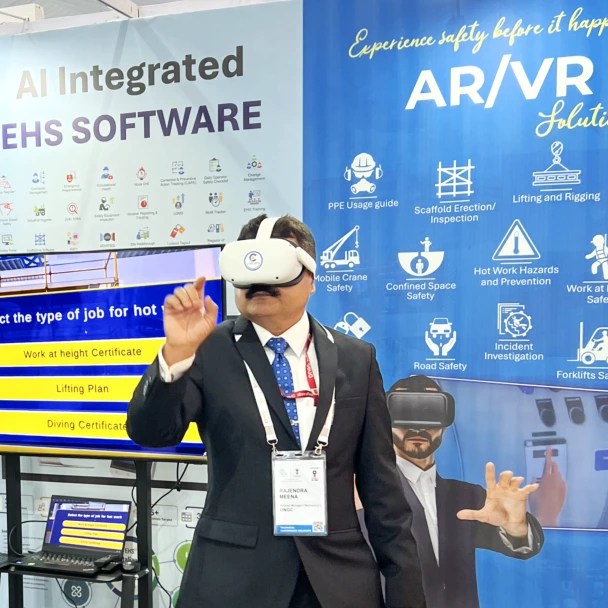
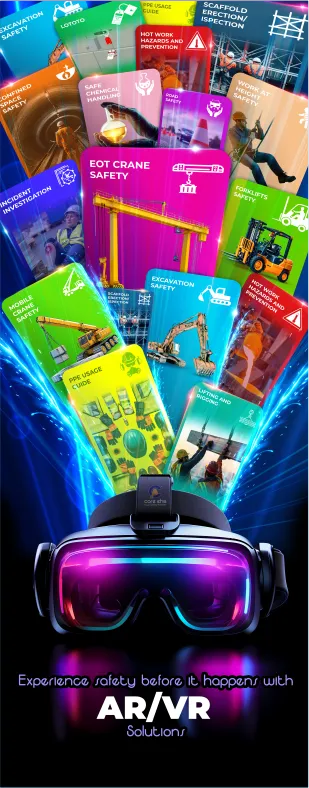
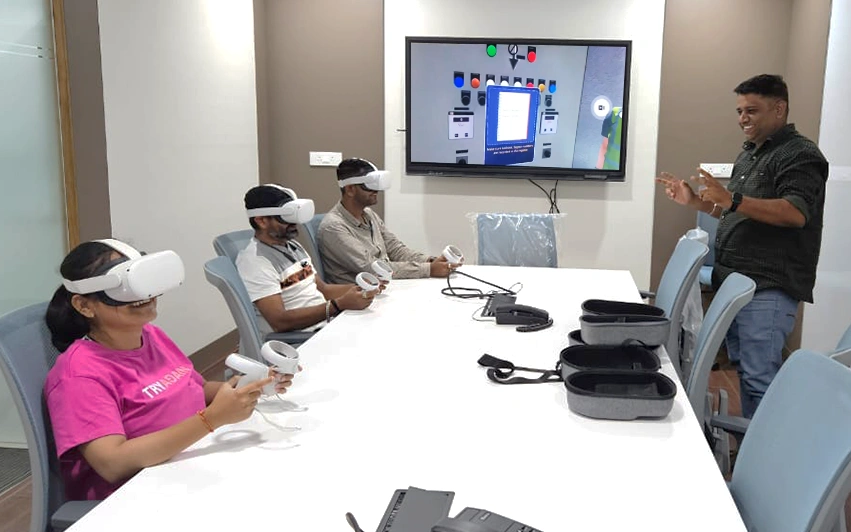
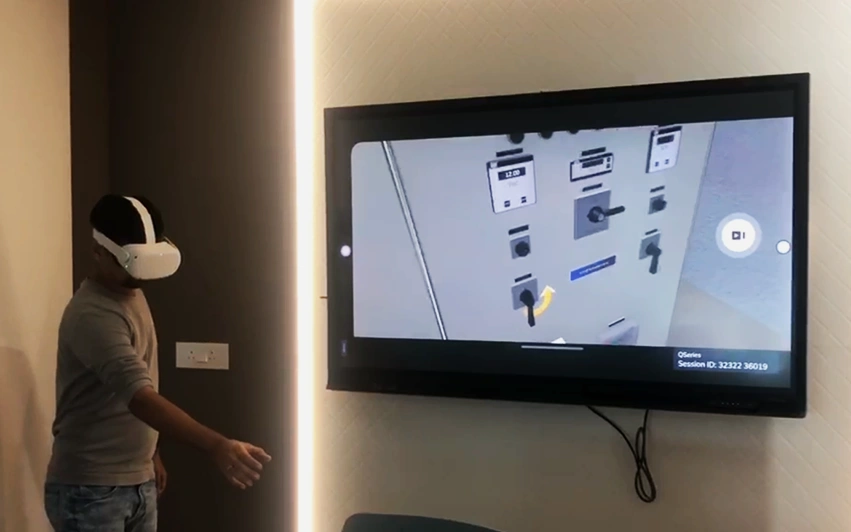
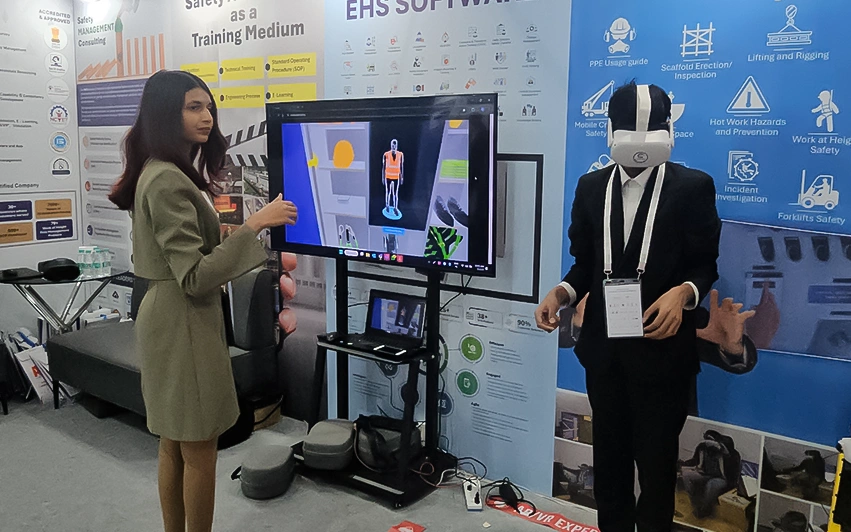
We are pioneering the transformation of Industrial Training & Safety Education through the innovative application of AR/VR & Simulation technologies. With our advanced Augmented Reality (AR) & Virtual Reality (VR) solutions, we offer immersive and interactive training experiences that place trainees in lifelike industrial environments. This approach not only enhances learning outcomes but also ensures that trainees can practice and understand safety protocols and machinery operations in a risk-free, controlled setting
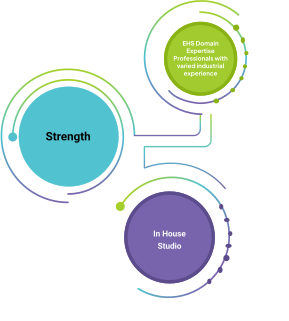
Customized & developed as per client specifications, by inhouse team of safety experts, modelers & developers, our modules are a perfect blend of technology and practicality, aimed at elevating safety standards & operational efficiency across various industrial sectors.
Dumper Operators Trained Using Advanced Simulator Technology
EOT Crane Operators Covered Since July 2024 Through Simulator Training
Operators Successfully Qualified Out of 142 Assessments Conducted
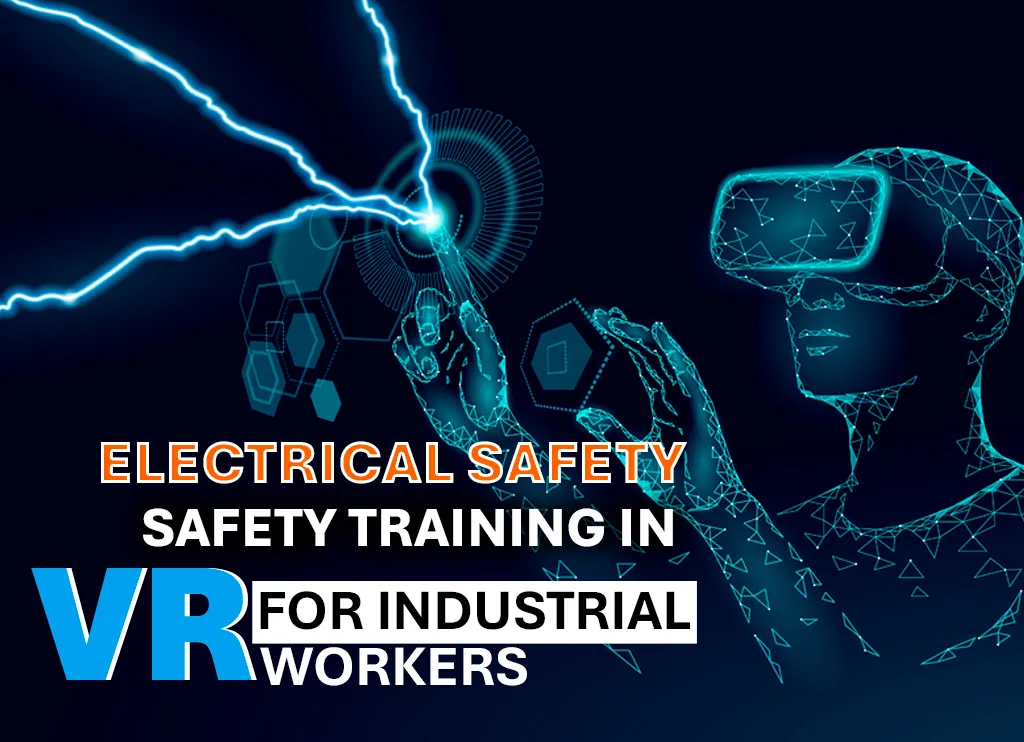
Professionals Trained in VR Modules on Electrical Safety, Construction Safety & Remote Crane Operations
Specialized VR Training Modules Developed for High-Risk Industrial Operations
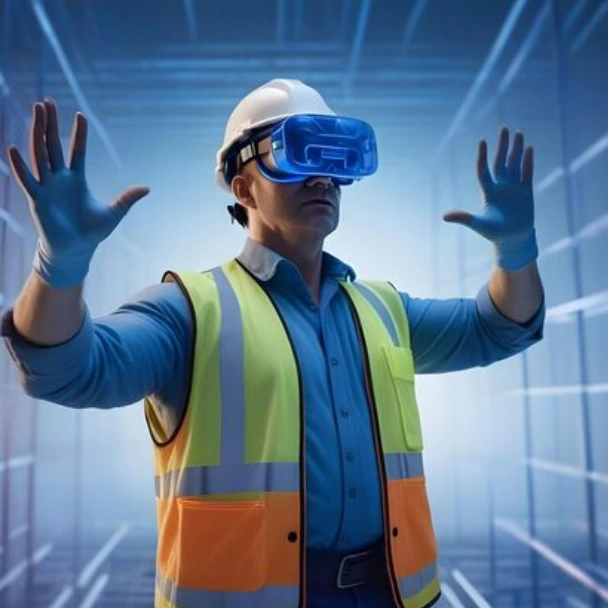
Virtual reality creates a captivating and participatory learning setting, enabling participants to interact with lifelike simulations. Such first-hand involvement boosts memory retention and comprehension over conventional training approaches.
Virtual reality training provides a setting where learners can perform tasks and operations safely within a virtual space. This method minimizes the dangers that come with physical training, particularly in sectors with high risks or dangerous conditions.
Virtual reality training removes the necessity for costly real-world equipment, journey costs, and the use of materials for educational goals. Moreover, it diminishes the duration needed for educational workshops, given that learners can engage with virtual modules whenever and wherever.
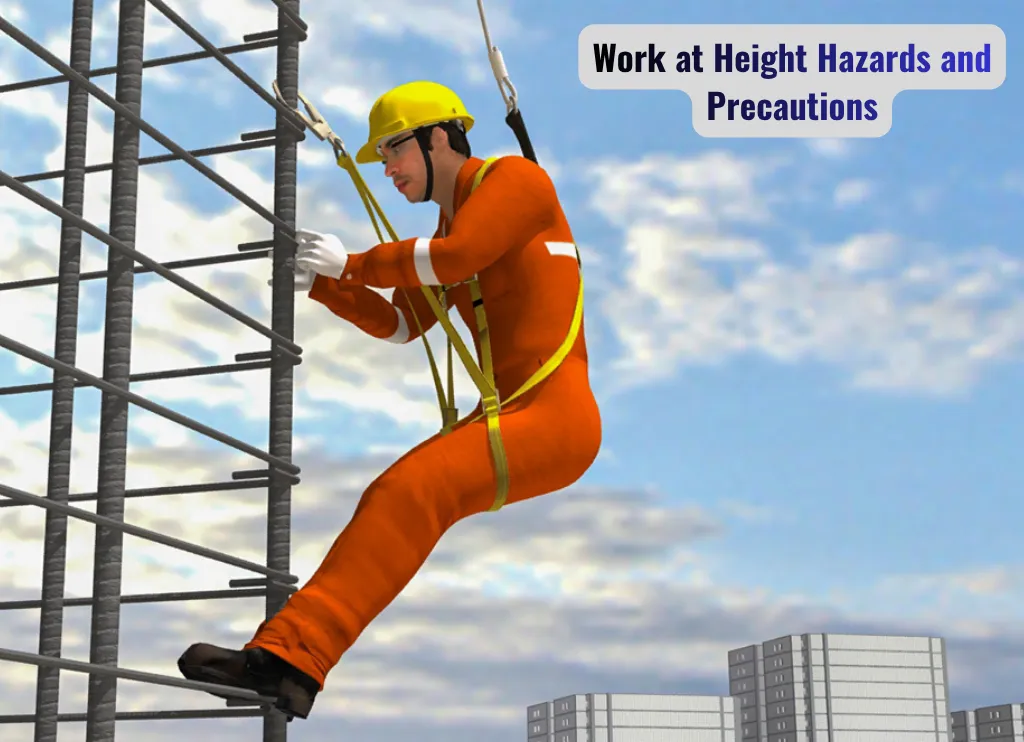
Virtual reality exposes workers to real site hazards in a safe digital space. They learn to spot unsafe conditions, take corrective actions and build strong situational awareness. This helps reduce human error on the actual worksite.
VR ensures the same quality of training is delivered to every worker, no matter where they are located. This helps organisations maintain consistent safety standards across plants, sites and shifts.
VR modules can be customised to match your real workplace conditions, equipment and tasks. This gives employees hands-on practice in scenarios they face daily, improving job readiness and confidence.
By repeatedly practicing high-risk tasks in VR, workers become more confident in handling real emergencies. This builds stronger decision-making skills and better on-ground performance.
VR allows new employees to learn at their own pace, get familiar with site conditions and understand hazards before entering the real work area. This improves onboarding and reduces initial risk.
A team of creative directors and imaginative script writers with skills of developing dramatic staging for maximum impact.
A highly professional team of animation experts with innovative ideas to bring life to the movies.
Here’s what we've been up to recently.
Our aim is to keep the client’s efforts for the product, MINIMUM."
Here’s what we've been up to recently.
In the world of workplace safety and compliance, the difference between EHS and HSE is one of the most commonly searched and misunderstood topics.
In workplace safety, the difference between hazard and risk is one of the most commonly misunderstood concepts.
Sitting for long hours at a desk can do more harm than most of us realise. A poorly arranged workspace often leads to neck strain, wrist pain, or chronic fatigue that silently reduces focus and energy.
Safety expectations around the world are changing fast. Companies across oil and gas, manufacturing, construction, chemicals, power plants, logistics, and many other sectors now depend on digital tools to keep workers safe
To know more about us
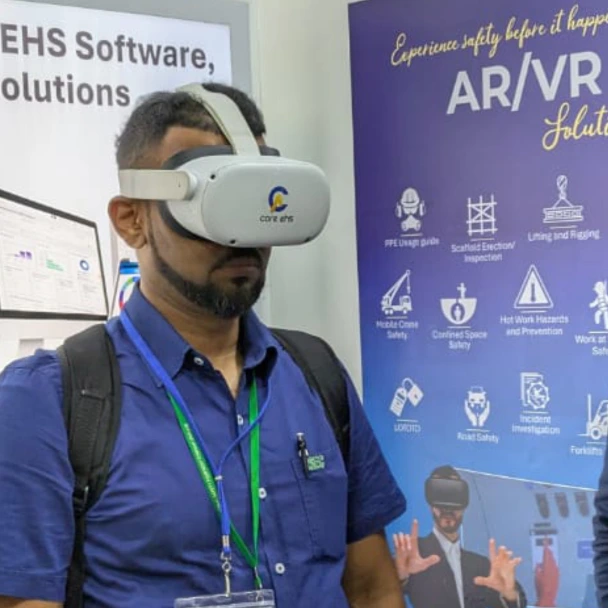
CORE-EHS offers immersive VR and simulation-based safety training solutions that replicate real-life workplace hazards, emergencies, and high-risk scenarios for effective experiential learning.
Yes. CORE-EHS develops customised VR and simulation modules based on industry type, site conditions, hazards, job roles, and client-specific safety requirements.
VR training covers topics such as work at height, confined space, electrical safety, fire safety, process safety, emergency response, and behavioural safety.
Yes. CORE-EHS VR solutions can be integrated with classroom training, eLearning modules, and safety workshops as part of a blended learning approach.
VR training programs are suitable for workmen, supervisors, engineers, safety officers, managers, and leadership teams, depending on learning objectives.
Yes. CORE-EHS provides simulation-based emergency and incident response training, allowing participants to practice decision-making in realistic, risk-free environments.
Yes. Training content is aligned with applicable safety regulations, industry best practices, and organisational procedures, ensuring relevance and compliance.
Yes. CORE-EHS can deliver on-site VR training or deploy portable VR setups, depending on infrastructure and project needs.
Training effectiveness is measured through scenario performance, decision tracking, assessments, feedback, and post-training evaluations.
Organisations can start by requesting a VR training demo or needs assessment, after which a customised training roadmap is proposed.