+91 72929 29159


RACI Software
Projects fail not because of lack of effort, but because of unclear roles and responsibilities. Miscommunication, overlapping tasks, and accountability gaps often derail project timelines and outcomes.




 Solutions

All your EHS & ESG needs
Empowering responsible decisions through unified EHS and ESG solutions

Read our success stories
Explore how we have transformed safety cultures with our EHS solutions.
.
.
Resources
About Us
Our Mission
Our mission is to empower industries to achieve their safety, health,and environmental objectives, integrating Environmental, Social, and Governance (ESG) principles into our strategic insights, expert guidance, and innovative solutions. We are dedicated to advancing sustainable and responsible practices across all sectors.
Our Vision
Our vision is to become the foremost provider of exceptional safety services, enabling organizations to not only meet but excel in their safety, health, and environmental goals, while fully embracing and
implementing ESG standards for a sustainable future.
Built Strong. Managed Smarter.
CORE Asset Integrity – A digital platform for ensuring safe, compliant, and reliable asset performance through structured inspection, maintenance, and lifecycle management.
Every organization depends on the integrity of its physical assets — equipment, pipelines, vessels, and structures — to operate safely and efficiently. Under Process Safety Management (PSM), Asset Integrity ensures that these assets are designed, installed, operated, and maintained in a way that prevents failures, protects people, and maintains compliance. CORE Asset Integrity brings this discipline into the digital age. It offers a comprehensive platform to manage asset health, inspection schedules, defect tracking, and preventive maintenance — ensuring your assets remain safe, compliant, and productive throughout their entire lifecycle. By combining real-time monitoring, data analytics, and risk-based maintenance planning, CORE Asset Integrity helps organizations reduce downtime, control operational risks, and extend asset life with confidence.






Asset Integrity – Trusted Safety Software for Modern Industries
Asset Integrity Management Software brings asset health, inspections, defect tracking, and preventive maintenance into one lifecycle view for safer, more reliable operations.
Contact Us
Supports safety teams in managing safety activities, organizing reports, and improving overall safety performance across the organization.

Gives leaders better visibility into safety performance and trends, helping them make informed decisions and support risk reduction efforts.

Enables employees to follow safety processes easily, report issues when needed, and stay actively involved in improving workplace safety.
Organizations relying on manual or fragmented systems for asset integrity face recurring issues such as:

Lack of preventive or predictive planning leads to costly breakdowns.

Missed tests or overdue calibrations compromise safety and compliance.

Critical asset data scattered across spreadsheets and disconnected systems.

Repairs happen after failures rather than through proactive prevention.

Difficulty meeting OSHA PSM, ISO 55000, or API standards during audits.

Inability to view asset health, maintenance status, or defect trends in real time.
With a top-notch Asset Integrity Management Software, businesses can experience:

Maintain a digital inventory of all assets with categorized hierarchies and attributes.

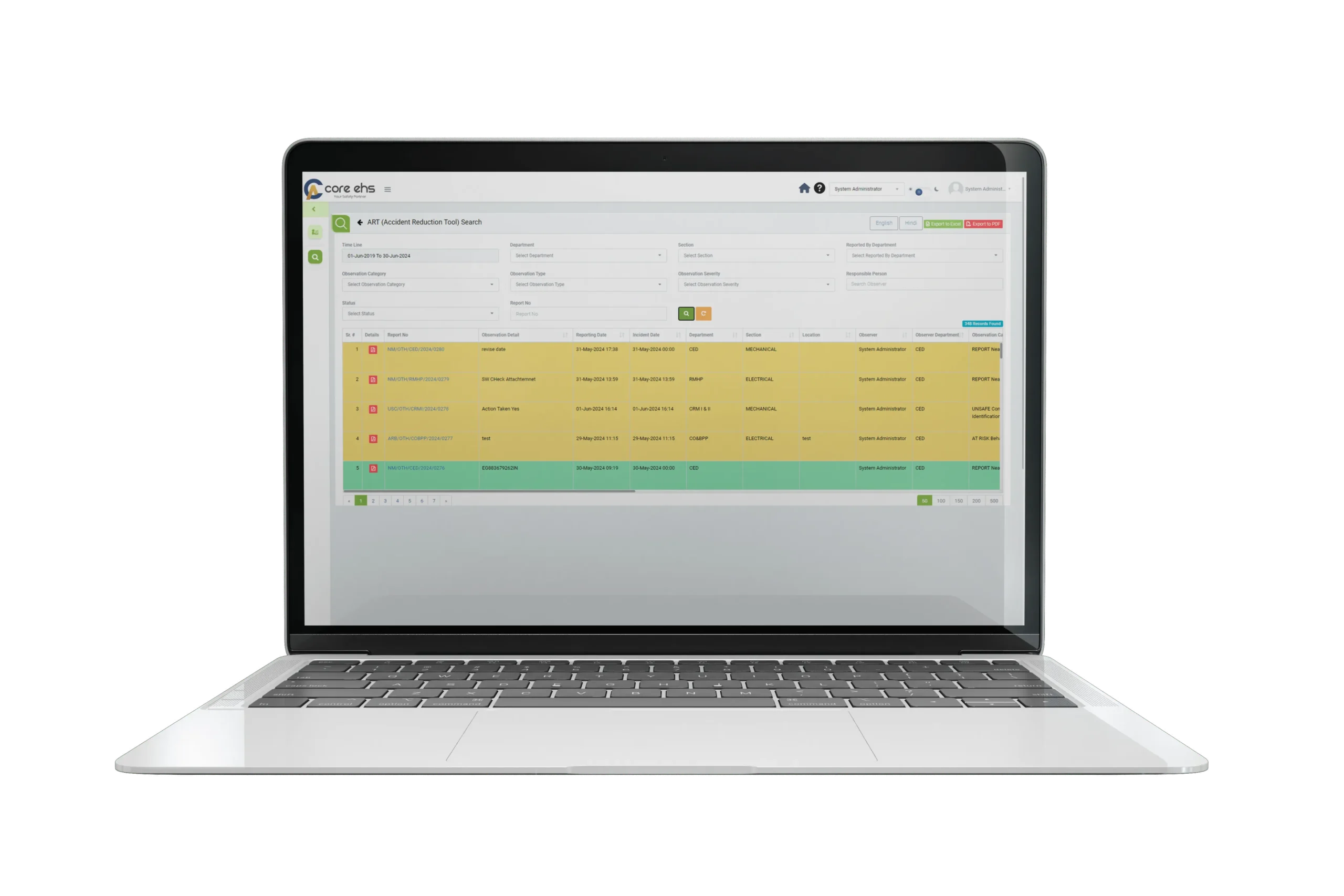
Schedule and track periodic inspections, calibrations, and testing for critical equipment.

Automate maintenance schedules and use condition-based data to predict potential failures.

Record, assess, and manage identified defects or anomalies with corrective actions.

Prioritize inspection efforts and maintenance activities based on risk and criticality.
Track asset condition from commissioning to decommissioning for optimized longevity.
Ensure adherence to international and corporate standards such as OSHA, ISO 55000, API, and IEC.
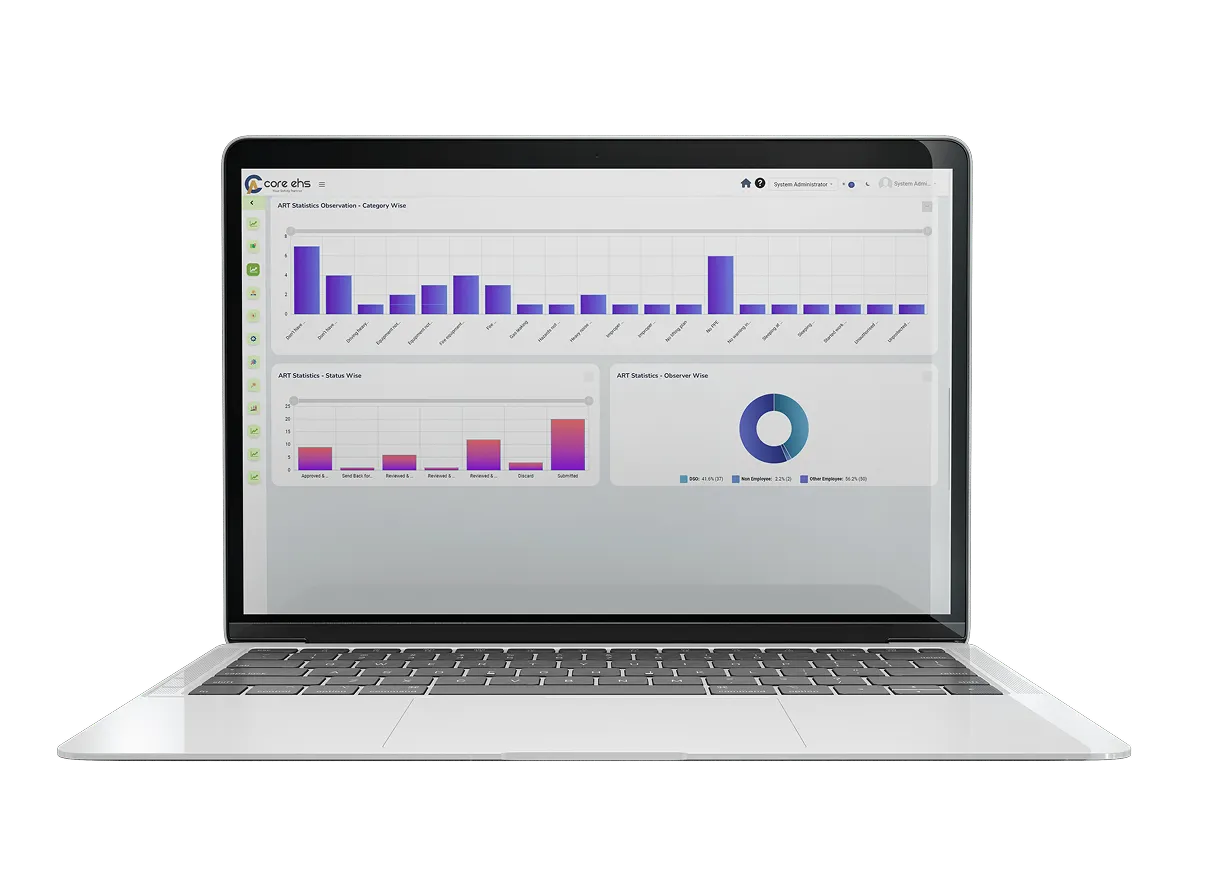
Access real-time analytics and reports for maintenance KPIs, compliance status, and reliability insights.
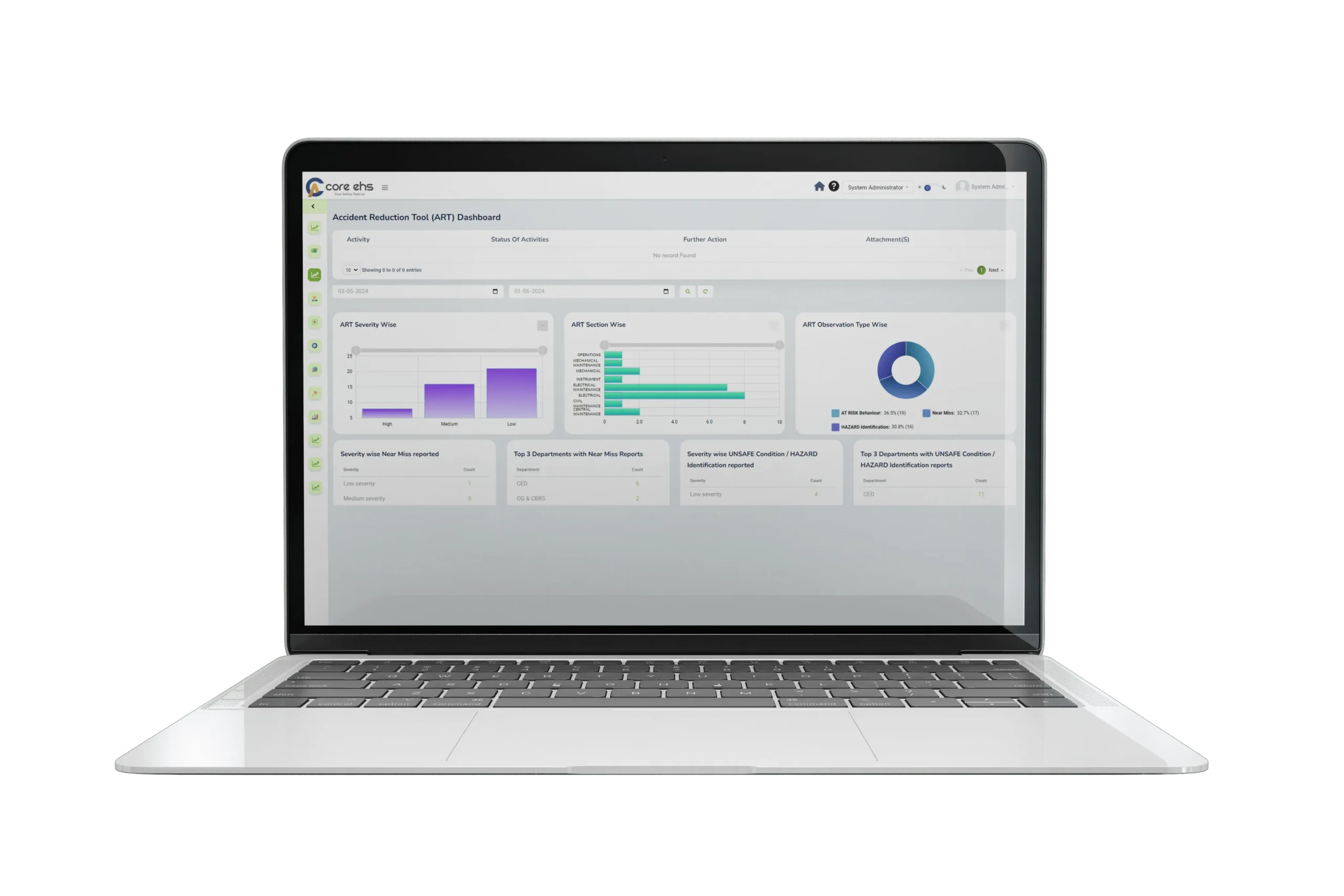

Engineering

Automobiles

Automotive & Mobility

Power
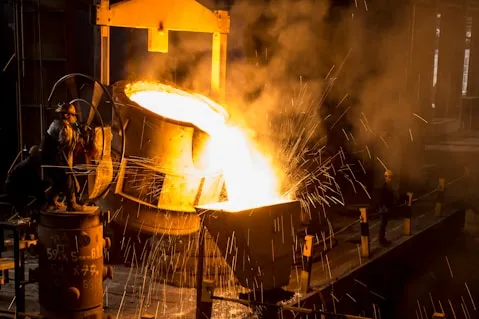
Iron & Steel

Cement Industry
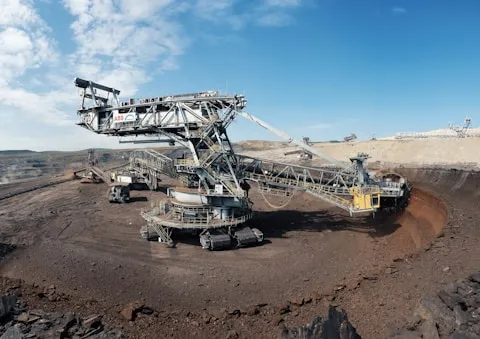
Metal & Mining

Shipping & Marine

Construction & Infrastructure

Chemicals & Fertilizer

Pharmaceutical& Life Science

Food FMCG & Agriculture

Electrical & Electronics

Retails & Consumer Durable
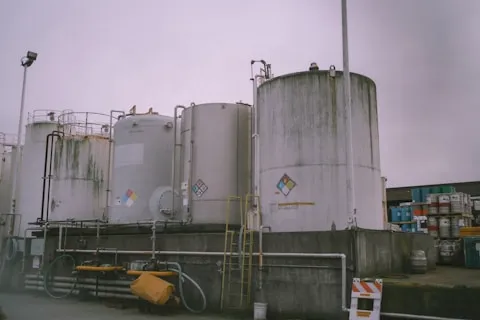
Petrochemical, Oil, Gas & Refinery
With CORE-EHS, organizations gain access to a range of powerful capabilities, such as








To know more about us
EHS software is a digital platform that helps organizations manage environment, health, and safety activities, including incidents, audits, permits, and compliance, in one centralized system instead of spreadsheets and paper records.
It maps your safety workflows directly to standards like OSHA, ISO 45001, and regional regulations. This keeps documentation audit-ready automatically instead of scrambling before an inspection. CORE-EHS is built and certified against ISO 9001, 14001, and 45001.
Yes. It is designed for enterprises running multiple sites and regions, with role-based dashboards, multi-language support, and compliance mapping that adjusts to local regulatory requirements
CORE-EHS runs 41+ purpose-built modules on one connected platform and supports operations across 30+ countries. It also works offline in the field, so data capture, sign-off, and sync happen whether or not your team has signal.
Yes. Risk assessment, hazard tracking, and predictive analytics are built into the platform. This helps teams flag and act on risks before they become incidents, rather than reporting after the fact.
Yes. It is mobile-first. Workers can scan, capture, and sign off on inspections and incidents directly from a phone or tablet, even offline, with data syncing once connectivity returns.
Timelines depend on the number of modules and sites. CORE-EHS includes dedicated onboarding, configuration support, and training, so most enterprise deployments are live and running within weeks, not months.
Book a free demo. Our team will review your current safety processes and recommend the right modules for your industry and site structure.
Industries such as manufacturing, construction, oil and gas, power, chemicals, infrastructure, logistics, mining, and pharmaceuticals commonly use EHS safety software due to complex operations and strict compliance requirements.
A safety software platform typically includes incident reporting, hazard and near-miss management, inspections and audits, corrective action tracking, document control, dashboards, and analytics to support informed decision-making.
Stay updated with insights on safety software, risk management, process safety, and regulatory compliance.