 +91 72929 29159













“Water! Bring water!”
A small electrical panel fire had just started on site. Within seconds, a worker rushed forward with a bucket – only to be stopped mid-action.
“It’s an electrical fire.”
That moment of confusion lasted barely 3–4 seconds. But in real fire emergencies, those few seconds can decide whether a situation is controlled… or escalates.
This is the reality across many workplaces. Despite regular fire safety training, the availability of fire and safety equipment, and visible extinguishers, workers still struggle to make the right decision under pressure.
According to global safety observations and industry reports, a large percentage of fire incidents escalate not because extinguishers are unavailable, but because the wrong extinguisher is used or used too late.
So the real question is not:
“Do you have fire extinguishers?”
It is:
“Can your workforce choose the right one within seconds?”
Why Fire Extinguisher Selection Is More Difficult Than It Looks
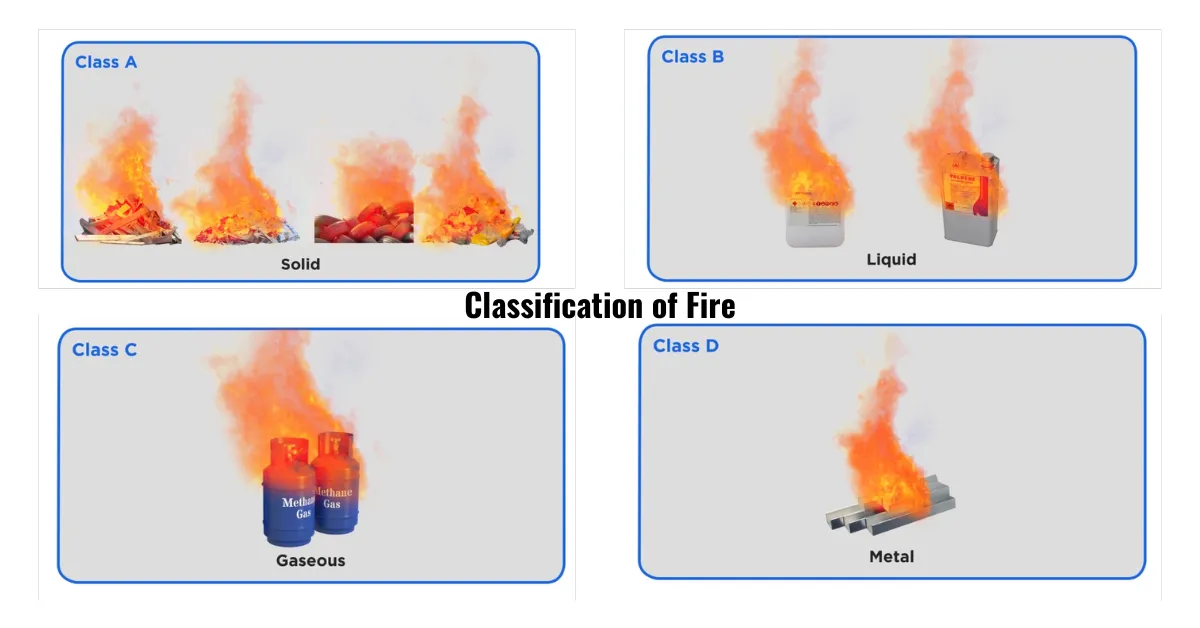
On paper, fire extinguisher selection seems simple.
Class A → Water
Class B → Foam
Class C → CO₂
But real-life situations are very different.
During an emergency:
- Smoke reduces visibility
- Panic affects decision-making
- Fire type is not always obvious
- Workers rely on instinct, not theory
This is where most fire safety tips fail – because they are learned in calm environments but applied in chaotic ones.
Even trained workers may hesitate, second-guess, or make incorrect choices.
The Real Reasons Workers Choose the Wrong Extinguisher
1.Training Is Theoretical, Not Practical
Many organisations conduct fire safety training, but it is often:
- Classroom-based
- One-time sessions
- Focused on information, not action
Workers may know the theory but lack Hands-on experience, Realistic exposure, Decision-making practice. Without repetition, knowledge fades.
2. Poor Understanding of Fire Classes
Workers often struggle to quickly identify:
- Electrical fires
- Flammable liquid fires
- Solid material fires
In real conditions, fires are not labeled clearly.
A burning machine could involve Electrical components, Oil, Insulation materials. This confusion leads to incorrect extinguisher selection.
3. Behaviour Under Pressure
Human behaviour changes during emergencies.
Common reactions include:
- Freezing
- Panic
- Following others blindly
- Acting without thinking
Studies in emergency response show that decision-making ability drops significantly under stress.
This is why even trained individuals may fail to act correctly.
4. Lack of Familiarity with Equipment
Even when fire safety equipment is available, workers may:
- Not know where it is located
- Not know how to operate it
- Not trust their ability to use it
In many workplaces, extinguishers are present – but rarely handled until an emergency.
5. Delayed Recognition of Risk
Many fires are not identified immediately.
Early signs like Burning smell, small sparks, Smoke etc, are often ignored.
By the time action is taken, the fire has already escalated, reducing the effectiveness of extinguishers.
What Happens When the Wrong Extinguisher Is Used
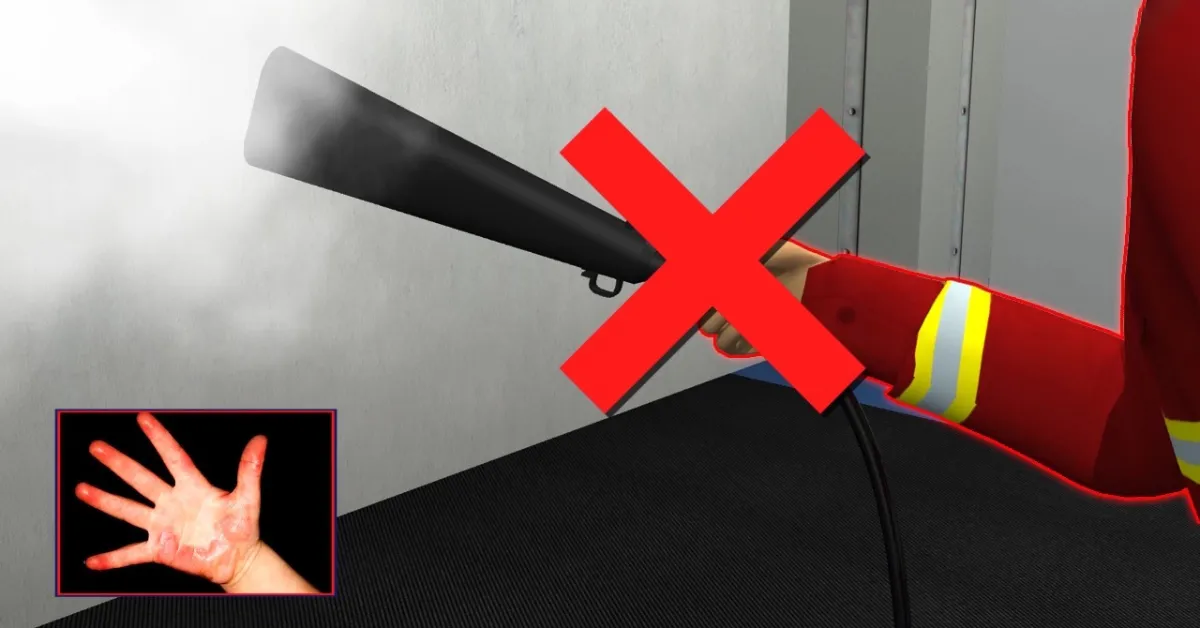
Using the wrong extinguisher is not just ineffective – it can be dangerous.
Examples:
- Using water on electrical fires can cause an electric shock
- Using water on oil fires can spread flames rapidly
- Incorrect extinguishing agents may worsen the situation
This is why fire and life safety awareness is critical – not just the availability of equipment.
Why Traditional Fire Safety Training Is Not Enough
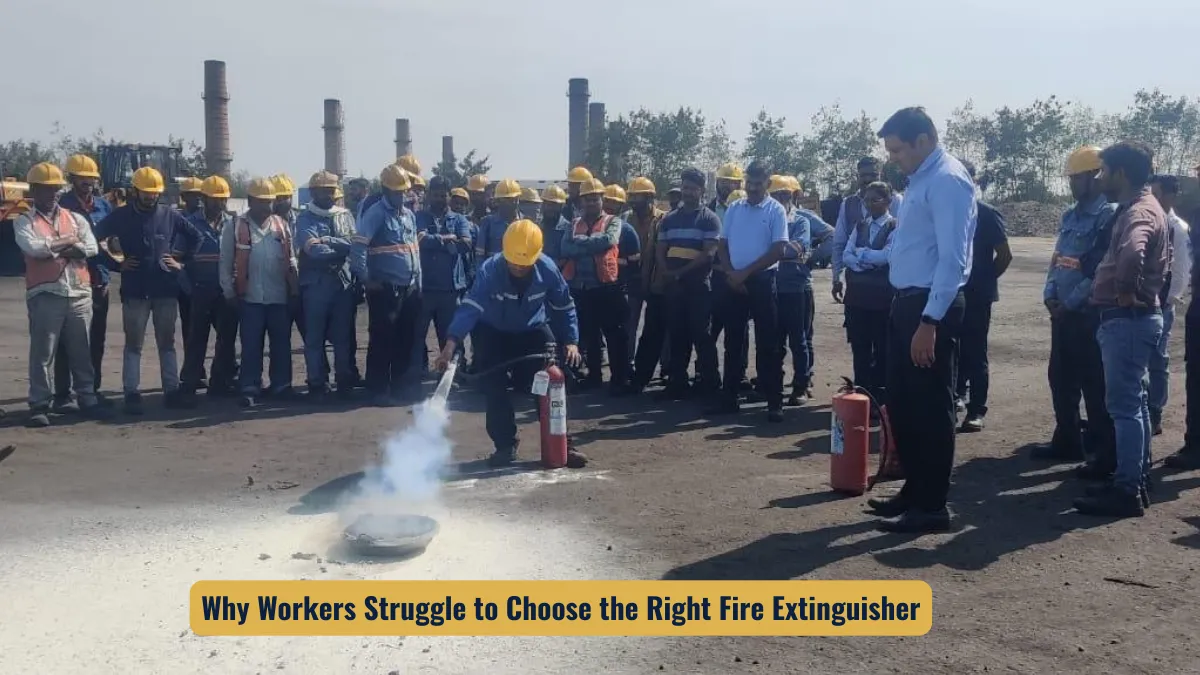
Traditional fire safety and training programs focus on, Information delivery, Compliance requirements, Certification. But real-world safety depends on Decision-making, Speed, Confidence. This gap between knowledge and action is where most failures occur.
Even with fire safety certificate programs, workers may not be prepared for real emergencies.
The Role of Decision Speed in Fire Emergencies
In a fire situation, the first 5–10 seconds are critical. Early action can prevent escalation. Delayed response increases damage. Workers must:
- Identify the fire type
- Select the correct extinguisher
- Act safely
All within seconds.
This is not just knowledge – it is trained instinct.
How Simulation-Based Training Solves This Problem
This is where modern approaches are changing fire safety training.
Simulation-based learning, including gamified training modules, allows workers to:
- Practice real-life scenarios
- Make decisions under pressure
- Learn from mistakes safely
Instead of memorising fire classes, workers experience:
- “What would you do in this situation?”
- “Which extinguisher will you choose?”
This improves, Reaction time, confidence, and Accuracy.
Gamified Learning: A New Approach to Fire Safety
Interactive safety training – similar to a game environment – introduces Time-based decision challenges, Realistic fire scenarios and enables Immediate feedback.
What makes gamified version of fire safety training a good choice? This approach:
- Increases engagement
- Improves retention
- Builds analytical thinking
It transforms learning from passive to active.
Instead of reading fire safety posters, workers start thinking like responders.
Practical Fire Prevention Safety Tips for Workplaces
To improve response and reduce risk:
- Conduct regular hands-on fire safety training
- Ensure clear access to all fire extinguishers
- Label extinguishers properly
- Perform routine fire safety inspections
- Train workers to identify early fire signs
- Use simulation-based training for better preparedness
These are not just fire safety tips; they are essential for effective emergency response.
Building a Strong Fire Safety Culture
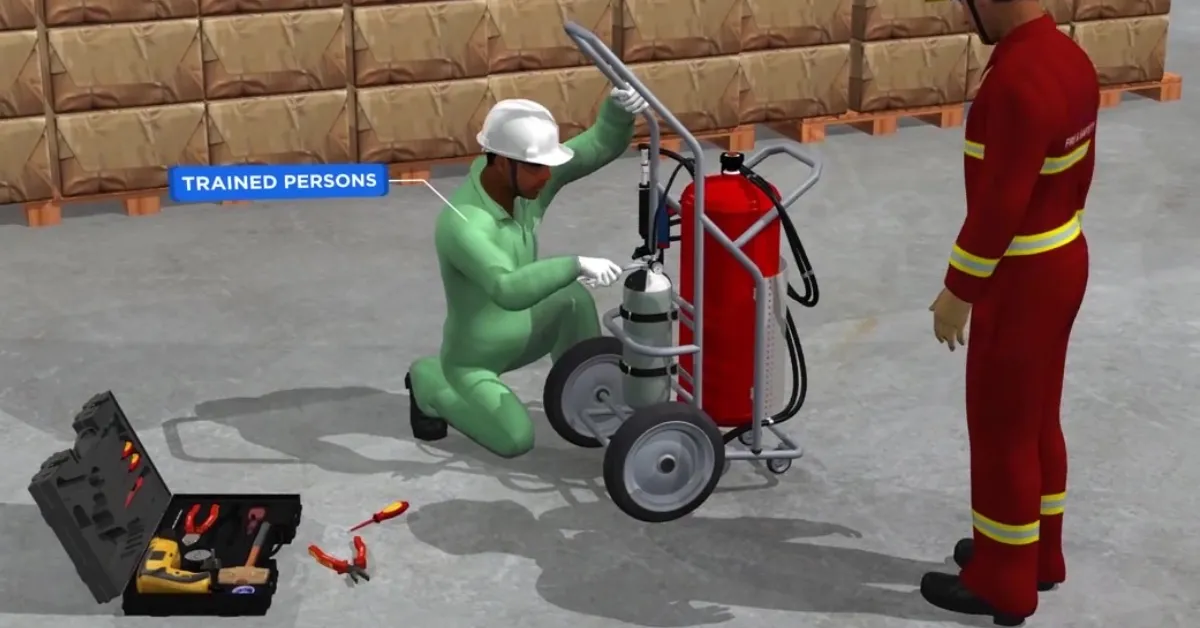
Organizations that focus on fire and safety services go beyond compliance.
They invest in, Continuous training, Practical learning methods, Behaviour-based safety programs
A strong safety culture ensures that:
- Workers act quickly
- Decisions are correct
- Risks are minimized
Conclusion
Choosing the right fire extinguisher in an emergency is not just about knowledge – it is about practice, speed, and confidence.
If your workforce is still relying only on theoretical training, it may not be enough.
At CORE-EHS, we help organisations strengthen their fire safety training through:
- Practical, scenario-based learning
- Gamified fire response simulations
- Industry-focused fire and safety services
- Comprehensive fire safety inspections and training programs
Equip your teams to respond correctly when it matters most.
Connect with us to explore smarter fire safety and training solutions.