EHS Manual, Procedure Development
Our team develops customized EHS manuals that serve as essential guides for employees, promoting a culture of safety and operational excellence.

100
Tailored EHS manuals
Safety Procedures
- General Safety Procedures
- Incident Reporting Procedures
- Incident Investigation Procedures
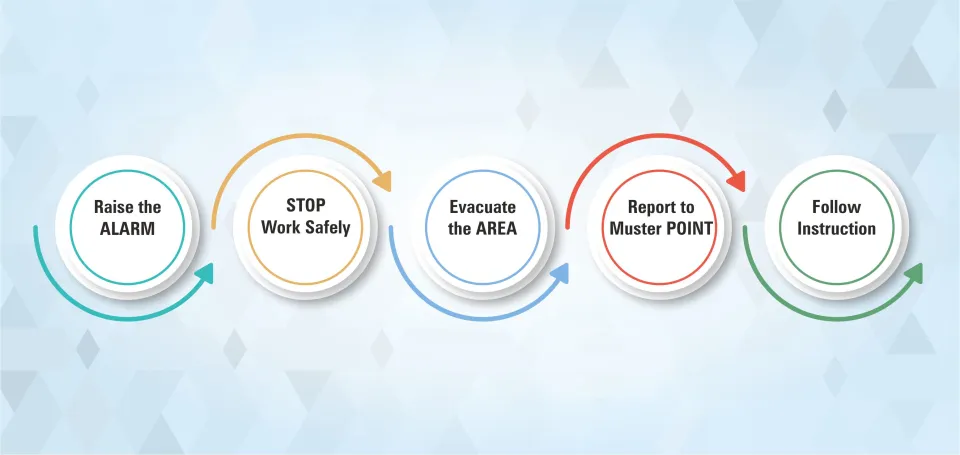
- Emergency Response Procedures
- Fire Safety Procedures
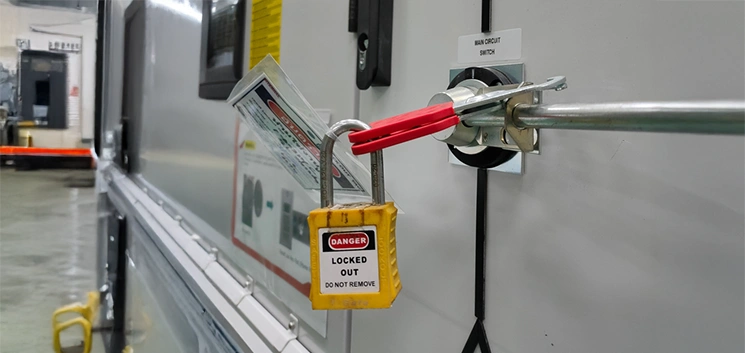
- Lockout/Tagout Procedures
- Hazard Communication Procedures
Safety Manuals
- Employee Safety Handbook
- Contractor Safety Manual
- Supervisor Safety Manual
- Equipment Safety Manual
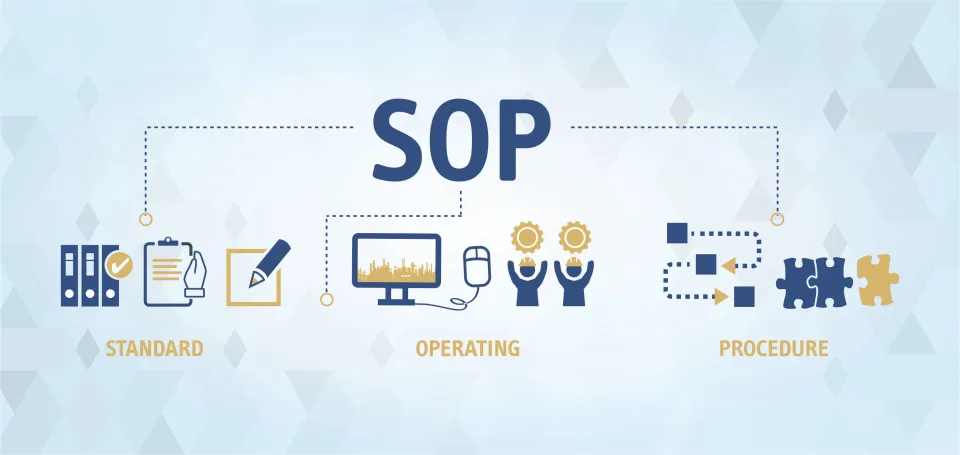
Standard Operating Procedures (SOP) Development - Crafted more than
We create clear and effective Standard Operating Procedures (SOPs) to ensure organization wide standardization of processes, reduction in risks and enhance operational efficiency across an organization.
300
Standard Operating Procedures (SOPs)
Standard Operating Procedures (SOPs)
- Machine Operation SOPs
- Chemical Handling SOPs
- Personal Protective Equipment (PPE) Usage SOPs
- Maintenance and Inspection SOPs
- Confined Space Entry SOPs
- Working at Heights SOPs
- PTW SOPs
Development of Safety Training Materials - Educated and Empowered over
Our experts design engaging and informative safety training materials, including manuals, presentations, and interactive modules, to educate your workforce on safety protocols and best practices.

1M
employees
Training Materials
- Safety Training Manuals
- Safety Training Presentations (PPT)
- Tutor notes
- Handouts & booklets
- E-learning Modules and Interactive Safety Training Content
- New Employee Safety Orientation Materials
Over 60 Topic designed & delivered
- Scaffold Inspector Training, Scaffold Supervisor Training, Advanced Scaffolder Training, Basic Scaffolding Training
- Access equipment safety training
- Advance safety training
- Basic construction safety
- Basic Rigging & Slinging training
- Rigging & Lifting Inspector Training
- Rigging & Lifting Supervisor Training
- Lift Plan Approver/Maker Training
- Riggers Training
- Crane Operation Training
- Rigging & Slinging Safety Training
- Behavior Based Safety
- Working at Height / Fall Protection
- Safety committee effectiveness measurement & improvement
- Process Safety
- Safety cum rescue operation
- HSE legal aspects for EPC contract work
- LOTOTO
- Machine guarding
- OHS in construction sector
- Cross country pipeline construction work safety training
- Defensive driving
- HSE training for line managers
- Testing & examination of lifting machines & tackles
- Electrical Safety
- Fire prevention & Fire fighting.
- Chemical safety training
- Confined space working
- Training on Risk Assessment (HIRA)
- Permit to Work
- Disaster Management plan
Designing Emergency Procedures
We develop robust emergency response plans and procedures tailored to your organization’s specific needs, ensuring you are prepared for any potential crises.
200
organizations to handle any emergency situation
Emergency Planning Documents
- Emergency Response Plans
- Evacuation Plans and Maps
- Crisis Management Plans
- Business Continuity Plans
EHS & ESG Consultancy for Tendering Documentation
We provide specialized consultancy services to support organizations in preparing Environmental, Health, and Safety (EHS) and Environmental, Social, and Governance (ESG) documentation for tender submissions. Our expertise ensures that your tender proposals are comprehensive, compliant, and competitive, meeting the highest standards and regulatory requirements.

EHS Documentation for Tendering
- EHS Policy Statements: Development of clear and comprehensive policy statements that demonstrate your organization’s commitment to environmental, health, and safety principles.
- Risk Assessments: Conducting detailed risk assessments to identify and mitigate potential hazards associated with the project.
- Environmental Impact Assessments (EIA): Preparing thorough EIAs to evaluate and manage the environmental effects of proposed projects.
- Health and Safety Plans (HASP): Crafting detailed health and safety plans to ensure the well-being of all stakeholders involved in the project.
- Compliance Documentation: Ensuring all necessary regulatory compliance documents are prepared and included in your tender submission.
- Emergency Response Plans: Developing robust emergency response plans tailored to the specific needs of the project.
- Incident Reporting and Management: Providing frameworks for incident reporting and management to ensure swift and effective responses to any incidents that may occur.
ESG Documentation for Tendering
- ESG Policy Development: Formulating comprehensive ESG policies that align with your organization’s values and strategic objectives.
- Sustainability Reports: Preparing detailed sustainability reports that highlight your organization’s environmental initiatives and performance.
- Social Responsibility Statements: Developing statements that showcase your organization’s commitment to social responsibility and community engagement.
- Governance Documentation: Creating governance documents that outline your organization’s structure, policies, and practices to ensure transparency and accountability.
- Stakeholder Engagement Plans: Crafting plans to engage and communicate with stakeholders effectively throughout the project lifecycle.
- ESG Performance Metrics: Establishing and reporting on key ESG performance indicators to demonstrate your commitment to sustainable practices.
Review & upgradation of Existing Documents
We offer specialized services for the review and upgradation of existing safety documents to ensure they meet current industry standards, regulatory requirements, and best practices. Our comprehensive review process identifies gaps, enhances clarity, and updates content to reflect the latest safety protocols and technological advancements.
Document Assessment and Gap Analysis
- Initial Review: Conducting a thorough review of your existing safety documents to identify gaps, outdated information, and areas for improvement.
- Compliance Check: Ensuring all documents comply with current local, national, and international regulations and standards.
Safety Manual Upgradation
- Content Update: Revising safety manuals to incorporate new regulations, industry best practices, and technological advancements.
- Enhanced Readability: Improving the structure and readability of manuals to ensure they are user-friendly and easily understood by all employees.
- Visual Enhancements: Adding diagrams, flowcharts, and other visual aids to enhance comprehension and retention of safety information.
Standard Operating Procedures (SOP) Review
- Process Optimization: Analyzing and updating SOPs to reflect the most efficient and safe methods of operation.
- Consistency Check: Ensuring consistency across all SOPs and aligning them with the overall safety management system.
- Best Practices Integration: Integrating industry best practices and lessons learned from incident reports into SOPs.
Emergency Response Plans Upgradation
- Scenario Analysis: Updating emergency response plans to cover new potential scenarios and incorporating the latest response strategies.
- Resource Allocation: Reviewing and optimizing the allocation of resources, roles, and responsibilities in emergency plans.
- Training Integration: Ensuring that updated plans are integrated into training programs for better preparedness.
Risk Assessment Documentation
- Current Hazard Identification: Reviewing and updating risk assessment documents to reflect current workplace hazards and control measures.
- Risk Mitigation Strategies: Enhancing risk mitigation strategies based on recent data and industry developments.
Training Materials Enhancement
- Content Refresh: Updating training materials to include new safety information, regulations, and technologies.
- Interactive Elements: Incorporating interactive elements such as quizzes, case studies, and simulations to make training more engaging.
- Feedback Integration: Using feedback from previous training sessions to improve and refine training materials.
Incident and Accident Reports
- Data Analysis: Reviewing past incident and accident reports to identify trends and areas for improvement.
- Report Upgradation: Updating report templates to ensure comprehensive data collection and analysis.
- Preventive Measures: Recommending and documenting preventive measures based on report findings.
Audit and Inspection Checklists
- Current Standards Alignment: Updating checklists to align with current safety standards and regulatory requirements.
- Comprehensive Coverage: Ensuring checklists cover all critical areas and potential hazards.
- User Feedback Integration: Incorporating feedback from audit and inspection teams to improve checklist effectiveness.
Compliance Documentation
- Regulatory Updates: Ensuring all compliance documentation is up-to-date with the latest regulatory changes and requirements.
- Documentation Standardization: Standardizing formats and templates for consistency and ease of use.
- Recordkeeping Optimization: Enhancing recordkeeping practices to ensure accurate and accessible documentation.
Environmental, Health, and Safety (EHS) Documentation
- Environmental Impact Updates: Revising EHS documents to reflect current environmental impact assessments and management plans.
- Health and Safety Enhancements: Updating health and safety plans to incorporate new health risks and safety measures.
- Sustainability Initiatives: Including recent sustainability initiatives and achievements in EHS documentation.

 +91 72929 29159





 Solutions